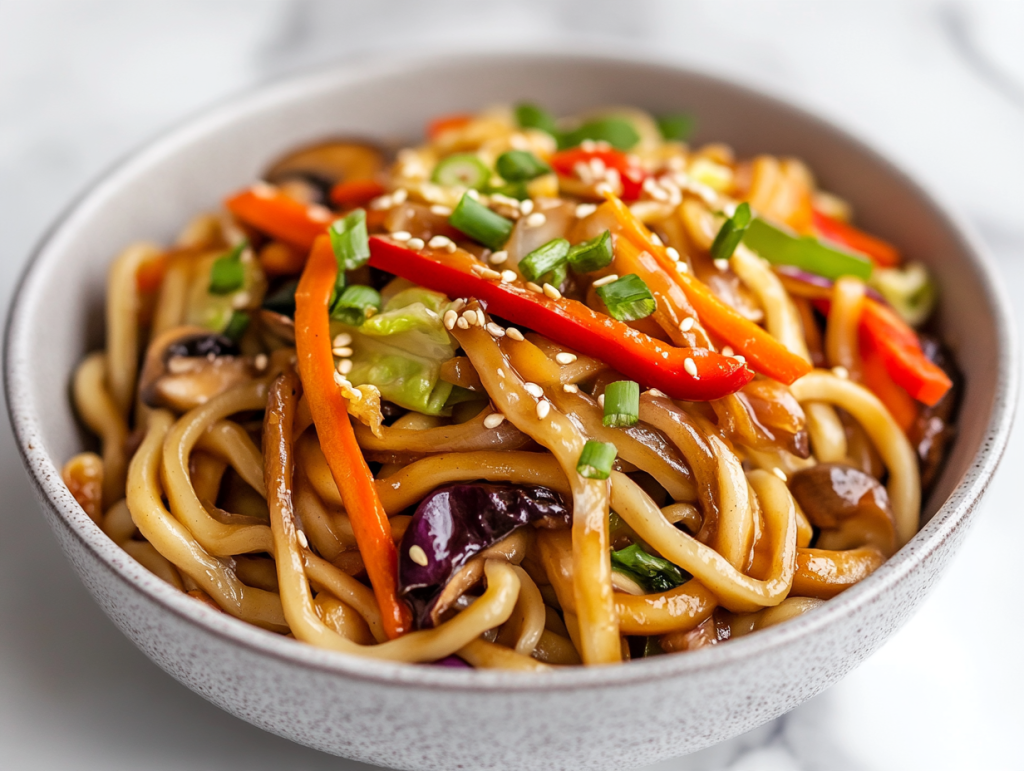
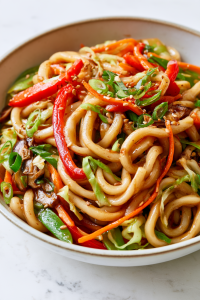
Udon noodles are perfect for a quick stir-fry because their thick, chewy texture makes even a simple vegetable dish feel hearty and satisfying. This Vegetable Udon Noodles Recipe brings together tender noodles, colorful vegetables, and a homemade sauce made with soy sauce, mirin, garlic, and fresh ginger.
What makes this dish especially enjoyable is the contrast between the soft noodles and lightly crisp vegetables. A finishing touch of toasted sesame seeds and green onions adds extra flavor and freshness.
Why You’ll Love This Recipe
- Thick and Chewy Noodles: Udon noodles have a soft, pleasantly chewy texture that makes this dish especially satisfying.
- A Colorful Vegetable Mix: Carrots, cabbage, mushrooms, bell peppers, and snap peas bring different textures and freshness to every serving.
- Savory Homemade Sauce: Soy sauce, vegetarian oyster sauce, mirin, and sesame oil create a balanced coating with sweet and savory notes.
- Quick One-Pan Cooking: Once the noodles and vegetables are prepared, everything comes together in the wok in just a few minutes.
- Easy to Make Your Own: Adjust the sauce, add your favorite vegetables, or toss in tofu for a more filling meal.
Chef’s TipDon’t overheat or overwork the udon noodles once they’re in the wok. Add them after the vegetables are nearly cooked, then gently lift and toss them with the sauce. This helps preserve their thick, chewy texture.
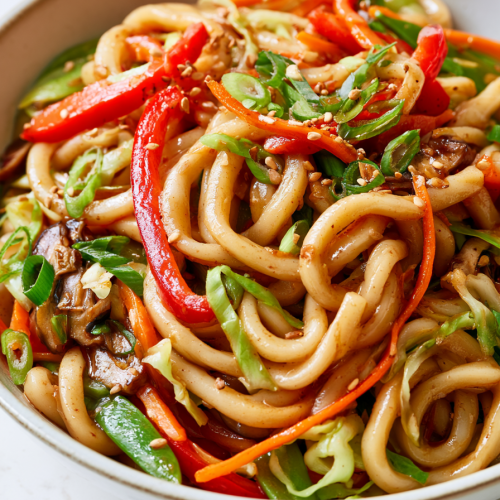
Vegetable Udon Noodles Recipe
Equipment
- Large wok or deep skillet
- Medium saucepan
- Colander
- Cutting board
- Sharp knife
- Small mixing bowl
- Whisk
- Tongs or spatula
Ingredients
- For the Noodles
- 14 ounces fresh or vacuum-packed udon noodles
- 1 tablespoon vegetable oil
- For the Vegetables
- 2 tablespoons vegetable oil divided
- 3 cloves garlic minced
- 1 teaspoon freshly grated ginger
- 1 medium carrot julienned
- 1 red bell pepper thinly sliced
- 1 cup shredded green cabbage
- 1 cup sliced mushrooms
- 1/2 cup snap peas
- 3 green onions sliced
- For the Stir-Fry Sauce
- 3 tablespoons low-sodium soy sauce
- 1 tablespoon vegetarian oyster sauce
- 1 tablespoon mirin
- 1 teaspoon rice vinegar
- 1 teaspoon toasted sesame oil
- 1 teaspoon brown sugar
- 2 tablespoons water
- 1/4 teaspoon ground black pepper
- For Garnish
- 1 tablespoon toasted sesame seeds
- 1 tablespoon sliced green onions
Instructions
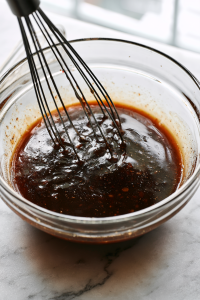
- In a small bowl, whisk together the soy sauce, vegetarian oyster sauce, mirin, rice vinegar, sesame oil, brown sugar, water, and black pepper. Stir until the sugar dissolves and set aside.
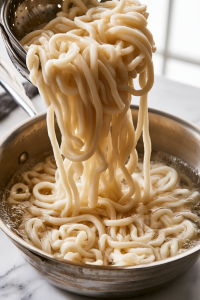
- If using vacuum-packed udon, loosen the noodles according to the package instructions, usually by briefly warming them in hot water. Drain thoroughly and set aside. If using frozen udon, cook according to the package directions. Toss the noodles with 1 tablespoon of vegetable oil to prevent sticking.
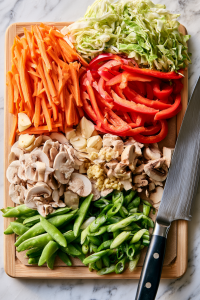
- Slice the bell pepper, carrot, mushrooms, and cabbage. Trim the snap peas and slice the green onions. Keep everything ready before heating the wok.
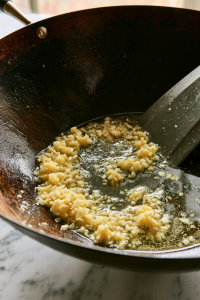
- Heat 1 tablespoon of vegetable oil in a large wok or skillet over medium-high heat. Add the minced garlic and grated ginger. Stir-fry for about 30 seconds until fragrant.
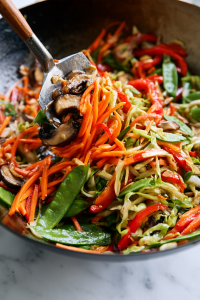
- Add the carrot and mushrooms to the wok and cook for 2 minutes. Add the bell pepper, cabbage, and snap peas. Stir-fry for another 2–3 minutes until the vegetables are slightly tender but still crisp.
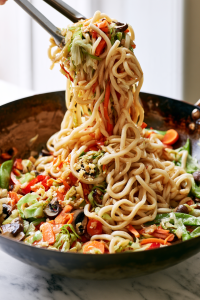
- Add the prepared udon noodles to the wok. Gently toss them with the vegetables using tongs, taking care not to break the thick noodle strands.
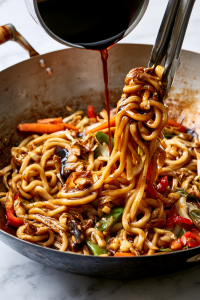
- Give the sauce a quick stir and pour it over the noodles. Toss continuously for 1–2 minutes until the noodles are evenly coated and the sauce begins to cling to them. Add a splash of water if the mixture looks too dry.
- Stir in the sliced green onions and remove the wok from the heat. Divide the noodles among serving bowls and garnish with toasted sesame seeds and extra green onions. Serve ho
Notes
- Make it vegetarian: Use vegetarian oyster sauce or mushroom stir-fry sauce. Traditional oyster sauce contains oysters, so check the label carefully.
- Make it vegan: Choose vegan udon noodles and replace mirin with a suitable plant-based alternative if needed. Check all sauce ingredients before using.
- Adjust the flavor: Add more rice vinegar for tanginess, brown sugar for sweetness, or chili oil for extra heat.
- Add protein: Crispy tofu, edamame, or tempeh make excellent additions. Cook them separately and toss them in with the noodles.
- Storage: Store leftovers in an airtight container in the refrigerator for up to 3 days. Reheat in a skillet with a tablespoon of water to loosen the sauce.
Nutrition Information
| Nutrient | Amount |
|---|---|
| Calories | 365 kcal |
| Carbohydrates | Approx. 58g |
| Protein | Approx. 11g |
| Fat | Approx. 11g |
| Fiber | Approx. 5g |
| Sugar | Approx. 9g |
| Sodium | Approx. 900mg |
Cooking Tips and Tricks
- Prepare Everything Before Cooking: Stir-frying moves quickly, so slice the vegetables and mix the sauce before heating the wok.
- Loosen the Noodles Gently: If the udon strands are stuck together, briefly warm them according to the package directions rather than pulling them apart forcefully.
- Use Medium-High Heat: A properly heated wok helps the vegetables cook quickly while retaining some crispness.
- Add Vegetables in Stages: Start with carrots and mushrooms, then add cabbage, bell pepper, and snap peas so the softer vegetables don’t overcook.
- Toss the Sauce Through Quickly: Once the sauce goes in, keep tossing for 1–2 minutes. This gives the noodles time to absorb the flavor without becoming overly soft.
Try More Asian-Inspired Recipes
- Asian Garlic Noodles Recipe
- Thai Vegetable Curry Recipe
- Vegetarian Pad Thai Recipe
- Vegetable Teriyaki Stir Fry Recipe
- Asian Vegetable Stir Fry Recipe
Frequently Asked Questions
1. What type of udon noodles should I use?
Fresh or vacuum-packed udon noodles work well because they’re convenient and quick to prepare. Frozen udon is another good option. Follow the package instructions to loosen or cook the noodles before stir-frying.
2. Can I use dried udon noodles?
Yes. Cook dried udon according to the package directions, drain thoroughly, and let the excess moisture evaporate before adding it to the wok. The texture may differ slightly from fresh or frozen udon.
3. Is this Vegetable Udon Noodles recipe vegetarian?
Yes, provided you use vegetarian oyster sauce and check the other packaged ingredients. Traditional oyster sauce contains oysters, so it isn’t suitable for a vegetarian diet.
4. Can I make Vegetable Udon Noodles vegan?
Yes. Choose vegan udon noodles and vegan-certified sauces. Also check the mirin and other packaged ingredients to ensure they meet your dietary requirements.
5. How do I stop udon noodles from sticking together?
Briefly warm the noodles according to the package instructions, drain them well, and toss with the tablespoon of vegetable oil listed in the recipe. Avoid leaving them sitting in a pile for too long.
6. What vegetables go well with udon noodles?
Broccoli, bok choy, zucchini, baby corn, mushrooms, carrots, cabbage, bell peppers, and snap peas all work well. Choose vegetables that cook in a similar amount of time or add them in stages.
7. Can I add protein to this recipe?Absolutely. Crispy tofu, edamame, and tempeh are excellent vegetarian additions. Cook them separately and toss them into the noodles near the end.