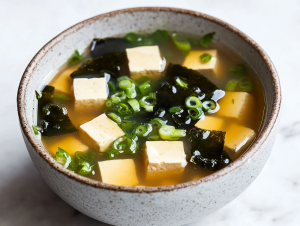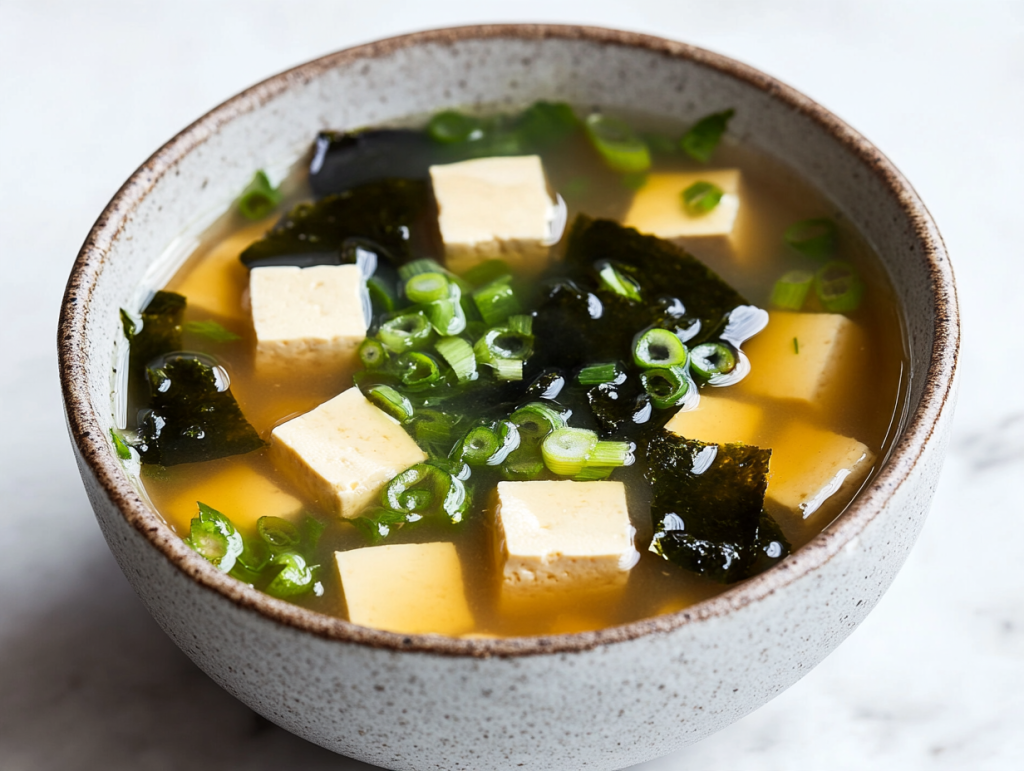
A flavorful miso soup doesn’t need a long list of ingredients or hours of preparation. This Vegetarian Miso Soup gets its savory depth from a homemade kombu and shiitake mushroom broth, finished with white miso, soft tofu, wakame seaweed, and fresh green onions.
Ready in just 30 minutes, this Japanese-inspired soup makes a lovely starter for lunch or dinner. Enjoy it alongside vegetable dumplings, steamed rice, or noodle dishes, or serve it on its own when you’re craving something warm and simple.
Why You’ll Love This Recipe
- A Flavorful Fish-Free Broth: Kombu and dried shiitake mushrooms create a naturally savory vegetarian dashi without relying on bonito flakes.
- Delicate, Satisfying Texture: Soft tofu, tender mushrooms, and rehydrated wakame make every spoonful interesting without making the soup heavy.
- Simple Ingredients: A handful of Japanese pantry staples is all you need to create a comforting homemade soup.
- Ready in 30 Minutes: The broth develops flavor quickly, making this recipe practical for everyday meals.
- Easy to Customize: Add spinach, napa cabbage, enoki mushrooms, or bok choy to suit your taste.
Ingredient Substitutions for Different Needs
- White Miso Paste: Yellow miso can be used instead, although it has a slightly stronger flavor. Start with a smaller amount and adjust to taste.
- Silken Tofu: Use soft or firm tofu if you prefer cubes that hold their shape more firmly. Firm tofu will give the soup a less delicate texture.
- Dried Shiitake Mushrooms: If dried shiitakes are unavailable, use additional fresh shiitake or cremini mushrooms. The broth may have a lighter flavor.
- Kombu: Kombu gives the broth its distinctive flavor. If you cannot find it, use a mild vegetarian broth, keeping in mind that the taste will be different.
- Wakame Seaweed: You can omit it if needed, although it provides the familiar seaweed texture associated with miso soup.
Chef’s TipFor a more flavorful broth, give the kombu and dried shiitake mushrooms their full 10 to 15 minutes of soaking time before heating. This simple step helps develop a deeper savory base without needing a long simmer.
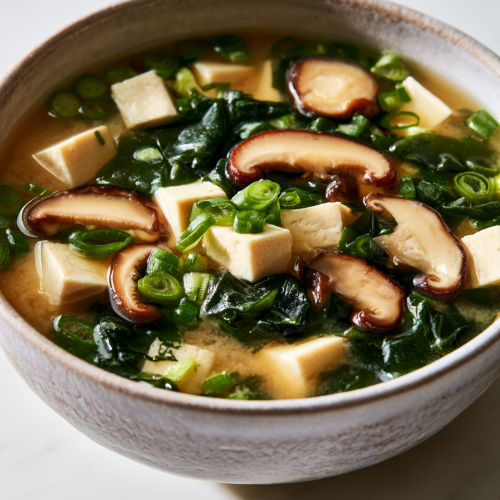
Vegetarian Miso Soup Recipe
Equipment
- Medium saucepan
- Cutting board
- Sharp knife
- Small mixing bowl
- Whisk
- Fine-mesh strainer
- Ladle
Ingredients
- For the Vegetarian Broth
- 4 cups water
- 1 piece dried kombu about 4 inches
- 3 dried shiitake mushrooms
- For the Soup
- 3 tablespoons white miso paste
- 7 ounces soft or silken tofu cut into small cubes
- 2 tablespoons dried wakame seaweed
- 2 green onions thinly sliced
- 1/2 cup fresh shiitake mushrooms thinly sliced
- 1 teaspoon low-sodium soy sauce optional
Instructions
- Place the dried wakame in a small bowl of water and soak for about 5 minutes until fully rehydrated. Drain and set aside. Cut the tofu into bite-sized cubes, slice the fresh mushrooms, and thinly slice the green onions.
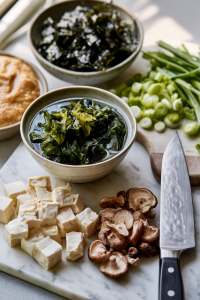
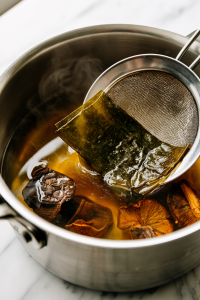
- Add the water, dried kombu, and dried shiitake mushrooms to a medium saucepan. Let them soak for 10–15 minutes to begin releasing their flavor. Set the saucepan over medium-low heat and slowly warm the mixture. Remove the kombu just before the liquid reaches a boil.

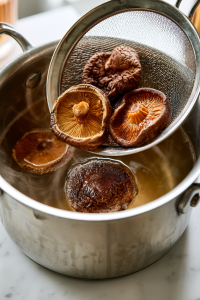
- Continue simmering the dried shiitake mushrooms for another 5 minutes. Remove them from the broth, slice them thinly, and return them to the saucepan if desired.
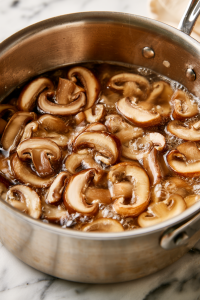
- Add the fresh shiitake mushrooms to the broth. Simmer gently for 3–4 minutes until tender and flavorful.
- Reduce the heat to low. Carefully add the tofu cubes and rehydrated wakame. Warm for approximately 2 minutes, taking care not to break up the tofu.
- Place the white miso paste in a small bowl. Add a ladleful of warm broth and whisk until the paste dissolves completely. Pour the mixture back into the saucepan and stir gently.
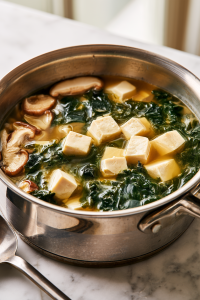
- Remove the soup from the heat. Divide it among serving bowls and sprinkle with sliced green onions. Serve immediately while warm.

Notes
- Use vegetarian dashi: Traditional Japanese dashi often contains bonito flakes, which are fish-based. Kombu and shiitake mushrooms create a flavorful alternative without fish.
- Choose your tofu: Silken tofu gives the soup a delicate texture, while firm tofu creates more defined cubes.
- Customize the vegetables: Spinach, enoki mushrooms, napa cabbage, or thinly sliced bok choy make tasty additions. Add them according to their cooking time.
- Adjust the seasoning: Miso varies in saltiness, so taste the broth before adding extra soy sauce.
- Storage: Refrigerate leftover soup in an airtight container for up to 2 days. Reheat gently over low heat without boiling. The tofu may soften slightly during storage.
Nutrition Information
| Nutrient | Amount |
|---|---|
| Calories | 90 kcal |
| Carbohydrates | 7g |
| Protein | 6g |
| Fat | 4g |
| Fiber | 2g |
| Sugar | 2g |
| Sodium | 620mg |
Delicious Variations You Should Not Miss
- Spinach Miso Soup: Stir fresh spinach into the broth during the final minute of cooking. It wilts quickly and adds a fresh vegetable element.
- Napa Cabbage Miso Soup: Add thinly sliced napa cabbage and simmer until tender for a mild, naturally sweet flavor.
- Enoki Mushroom Miso Soup: Replace some of the fresh shiitake mushrooms with enoki mushrooms. Add them near the end because they cook quickly.
- Bok Choy Miso Soup: Add chopped bok choy for a fresh, slightly crisp texture that complements the soft tofu.
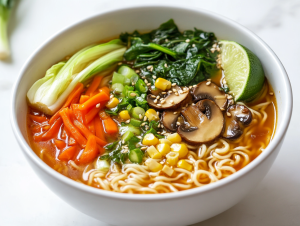
- Noodle Miso Soup: Add separately cooked soba, udon, or ramen noodles to make the soup more filling.
Try More Asian-Inspired Recipes
- Vegetable Dumplings Recipe
- Crispy Asian Tofu Recipe
- Korean Vegetable Pancakes Recipe
- Vegetable Teriyaki Stir Fry Recipe
- Vegetable Chow Mein Recipe
Frequently Asked Questions
1. Is traditional miso soup vegetarian?
Not always. Traditional Japanese miso soup often uses dashi made with bonito flakes, which are fish-based.
2. What type of miso is best for vegetarian miso soup?
White miso, also known as shiro miso, is a great choice. It has a mild, slightly sweet flavor that works well with the mushrooms, tofu, and kombu broth.
3. Can I make this miso soup vegan?
Yes. The recipe is plant-based when you use vegan-certified miso paste and soy sauce. Also check packaged ingredients to ensure they contain no animal-derived additives.
4. Can I use firm tofu instead of silken tofu?
Absolutely. Firm tofu holds its shape better and is easier to handle, while silken tofu gives the soup a softer, more delicate texture.
5. Do I need to soak dried wakame before adding it?
Yes. Soak it in a small bowl of water for about 5 minutes until it expands, then drain it before adding it to the soup.
6. Why should I remove kombu before the broth boils?
Heating kombu too aggressively can produce a stronger, less pleasant flavor. Removing it just before the liquid reaches a boil helps keep the broth clean and delicate.
7. Can I make miso soup without shiitake mushrooms?
Yes. You can use enoki, cremini, or button mushrooms instead. However, dried shiitake mushrooms contribute a concentrated earthy flavor that gives the broth extra depth.