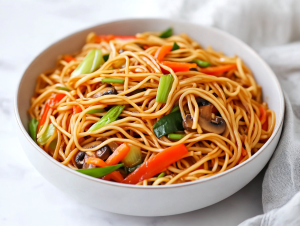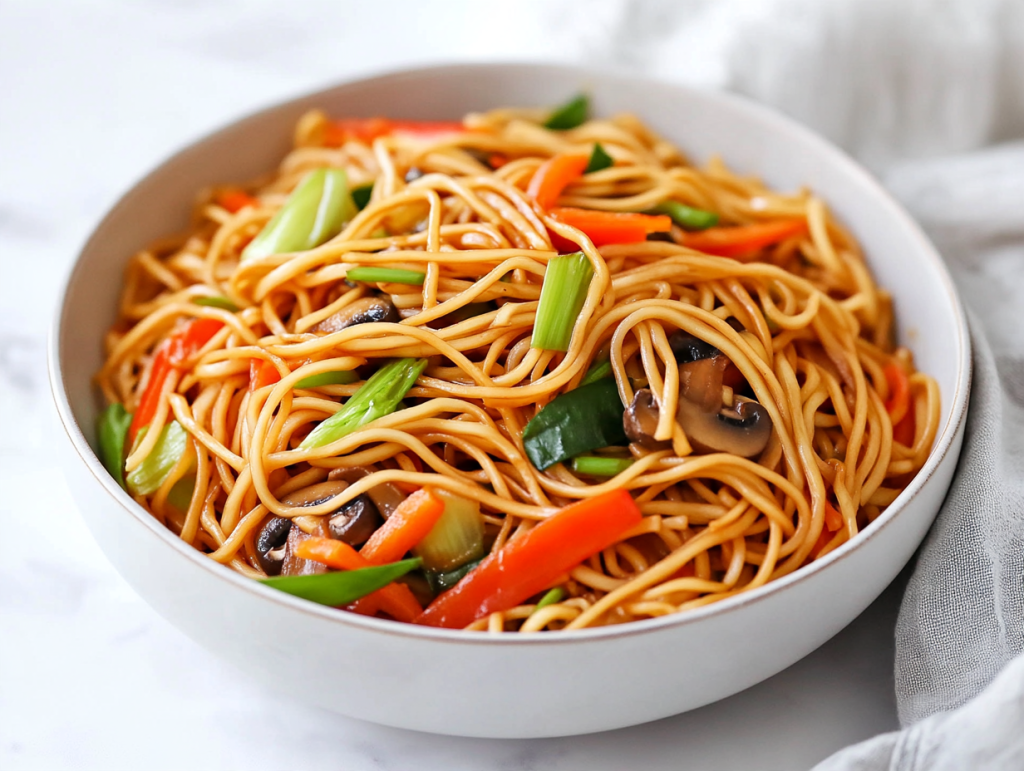
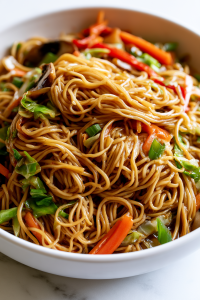
Skip the takeout and make this delicious Vegetarian Lo Mein at home in just 30 minutes! Soft, chewy lo mein noodles are tossed with shredded cabbage, carrots, bell peppers, and mushrooms, then coated in a rich, savory sauce made with soy sauce, vegetarian oyster sauce, hoisin, garlic, and ginger. A little toasted sesame oil brings everything together with a delicious nutty aroma.
What makes this noodle dish so convenient is how easily it fits into a busy dinner routine. The vegetables cook quickly, the sauce comes together in one bowl, and everything is tossed together in a single wok or skillet. Serve it on its own for a satisfying meat-free meal or pair it with vegetable dumplings, crispy tofu, or your favorite Asian-inspired sides.
Why You’ll Love This Recipe
- Chewy, Sauce-Coated Noodles: Lo mein noodles have a satisfying texture and hold onto the glossy sauce beautifully.
- A Rich Homemade Sauce: Soy sauce, hoisin, vegetarian oyster sauce, and sesame oil create layers of savory, slightly sweet flavor.
- Plenty of Colorful Vegetables: Cabbage, carrots, bell peppers, and mushrooms bring freshness and different textures to every serving.
- Quick One-Pan Cooking: Once the noodles are boiled, everything comes together in a wok or deep skillet in just a few minutes.
- Easy to Customize: Add tofu, edamame, or extra vegetables to make the dish more filling or use whatever produce you have available.
Ingredient Substitutions
- Use Other Noodles: Fresh chow mein noodles, thin wheat noodles, or spaghetti can replace lo mein noodles.
- Make It Vegan: Choose egg-free noodles and check that the vegetarian oyster sauce, hoisin sauce, and other condiments contain no animal-derived ingredients.
- Choose Gluten-Free Noodles: Use suitable gluten-free noodles and replace regular soy sauce with tamari.
- Switch the Vegetables: Broccoli, snap peas, bok choy, bean sprouts, and green beans are all good alternatives or additions.
- Add Plant-Based Protein: Crispy tofu, edamame, or tempeh can be cooked separately and tossed into the finished noodles.
Chef’s TipDon’t let the noodles sit in the colander for too long after draining. Toss them with the tablespoon of vegetable oil while they’re still slightly warm, then add them to the wok once the vegetables are ready.
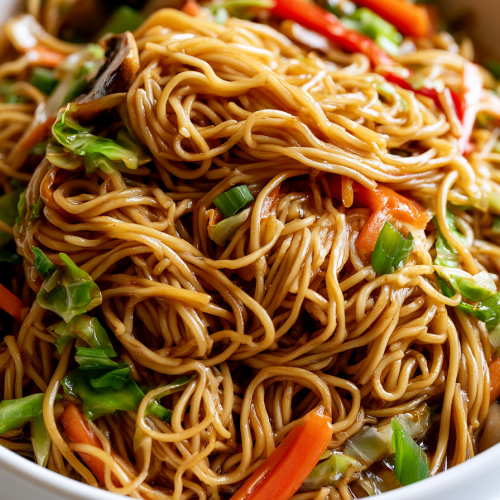
Vegetarian Lo Mein Recipe
Equipment
- Large pot
- Colander
- Large wok or deep skillet
- Cutting board
- Sharp knife
- Small mixing bowl
- Whisk
- Tongs or spatula
Ingredients
- For the Noodles
- 8 ounces lo mein noodles
- 1 tablespoon vegetable oil
- For the Vegetables
- 2 tablespoons vegetable oil divided
- 3 cloves garlic minced
- 1 teaspoon freshly grated ginger
- 1 medium carrot julienned
- 1 red bell pepper thinly sliced
- 1 cup sliced mushrooms
- 2 cups shredded green cabbage
- 3 green onions sliced
- For the Sauce
- 3 tablespoons low-sodium soy sauce
- 1 tablespoon dark soy sauce
- 1 tablespoon vegetarian oyster sauce
- 1 tablespoon hoisin sauce
- 1 teaspoon toasted sesame oil
- 1 teaspoon rice vinegar
- 1/2 teaspoon brown sugar
- 1/4 teaspoon ground black pepper
Instructions
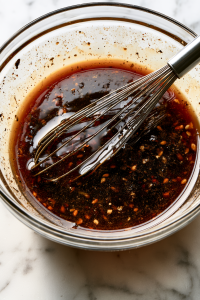
- In a small bowl, whisk together the low-sodium soy sauce, dark soy sauce, vegetarian oyster sauce, hoisin sauce, sesame oil, rice vinegar, brown sugar, and black pepper. Set aside.
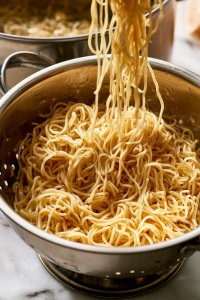
- Bring a large pot of water to a boil. Cook the lo mein noodles according to the package instructions until just tender. Drain well and toss with 1 tablespoon of vegetable oil to keep the strands from sticking together. Set aside.
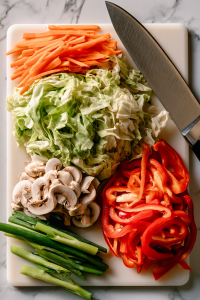
- Slice the carrot, bell pepper, mushrooms, cabbage, and green onions. Keep the vegetables ready near the stove so they can be added quickly during stir-frying.
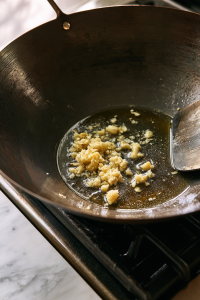
- Heat 1 tablespoon of vegetable oil in a large wok or deep skillet over medium-high heat. Add the minced garlic and grated ginger. Stir-fry for about 30 seconds, just until fragrant.
- Add the carrot and mushrooms. Cook for 2–3 minutes, stirring frequently. Add the bell pepper and cabbage, then cook for another 2 minutes. The vegetables should be slightly tender but still have some bite.
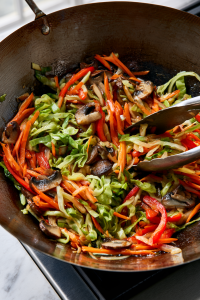
- Add the cooked noodles to the wok. Use tongs to gently toss them with the vegetables, separating any strands that have clumped together.
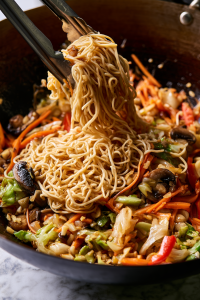
- Pour the prepared sauce over the noodles. Toss continuously for 1–2 minutes, allowing the sauce to coat the noodles and vegetables evenly. If the mixture looks dry, add a small splash of water and toss again.
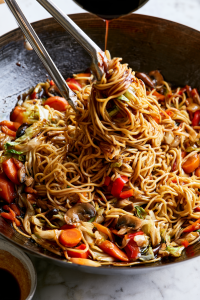
- Add the sliced green onions and toss once more.
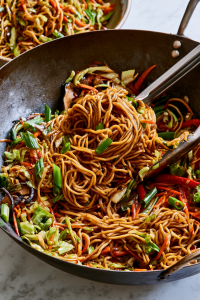
- Remove from the heat and serve immediately while the noodles are hot and glossy.
Notes
- Don’t overcook the noodles: Cook them just until tender, as they’ll spend another minute or two in the wok with the sauce.
- Keep the vegetables crisp: Cut everything into similar-sized pieces and stir-fry over medium-high heat. This helps the vegetables cook quickly without becoming soft.
- Make it vegan: Choose egg-free noodles and confirm that the vegetarian oyster sauce and other condiments are fully plant-based.
- Add more protein: Crispy tofu, edamame, or tempeh are easy additions. Cook them separately and toss them in with the noodles.
- Storage: Store leftovers in an airtight container in the refrigerator for up to 3 days. Reheat in a skillet with a splash of water to loosen the sauce.
Nutrition Information
| Nutrient | Amount per Serving |
|---|---|
| Calories | 380 kcal |
| Carbohydrates | 57g |
| Protein | 12g |
| Fat | 12g |
| Fiber | 5g |
| Sugar | 9g |
| Sodium | 1,050mg |
Cooking Tips and Tricks
- Prepare the Sauce Before Cooking: Whisk all the sauce ingredients together before heating the wok. This makes it easier to season the noodles quickly.
- Keep the Vegetables Thinly Sliced: Even pieces cook quickly and mix more easily with the noodles.
- Use Medium-High Heat: A hot wok helps the vegetables retain their texture while allowing the sauce to coat the noodles evenly.
- Separate the Noodles Before Adding Them: Gently loosen any clumped strands with tongs so they distribute more evenly throughout the dish.
- Taste Before Serving: Soy sauce and vegetarian oyster sauce vary in saltiness. Taste the finished noodles and adjust with a little water or seasoning if needed.
Try More Asian-Inspired Recipes
- Vegetable Chow Mein Recipe
- Vegetable Fried Rice Recipe
- Herb Roasted Potatoes Recipe
- Spicy Potato Wedges Recipe
- Cheesy Potato Skins Recipe Vegetarian
Frequently Asked Questions
1. What noodles are best for vegetarian lo mein?
Traditional lo mein noodles are a great choice because they have a soft, chewy texture. Fresh or dried wheat-based noodles work well, provided you cook them according to the package instructions.
2. Can I use spaghetti instead of lo mein noodles?
Yes. Spaghetti is a convenient substitute when lo mein noodles aren’t available. Cook it just until al dente, drain well, and toss with the vegetables and sauce.
3. Is vegetarian lo mein completely vegetarian?
This recipe uses vegetarian oyster sauce, which is typically made with mushrooms rather than oysters. Check the labels of your noodles and sauces to confirm they meet your dietary requirements.
4. Can I make this lo mein vegan?
Yes. Use egg-free noodles and confirm that the vegetarian oyster sauce, hoisin sauce, and other condiments are fully plant-based.
5. How do I keep lo mein noodles from sticking together?
Drain the noodles thoroughly and toss them with a tablespoon of vegetable oil while they’re still warm. Gently separate any clumps before adding them to the wok.
6. What vegetables work well in lo mein?
Broccoli, snap peas, bok choy, bean sprouts, green beans, mushrooms, and cabbage are all suitable. Cut them into thin, even pieces so they cook quickly.
7. Can I add tofu to vegetarian lo mein?
Absolutely. Pan-fry or air-fry tofu separately until golden, then toss it into the noodles near the end of cooking to help it retain its texture.