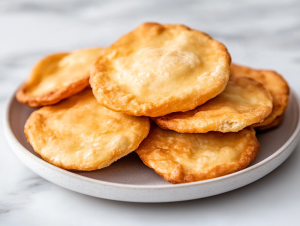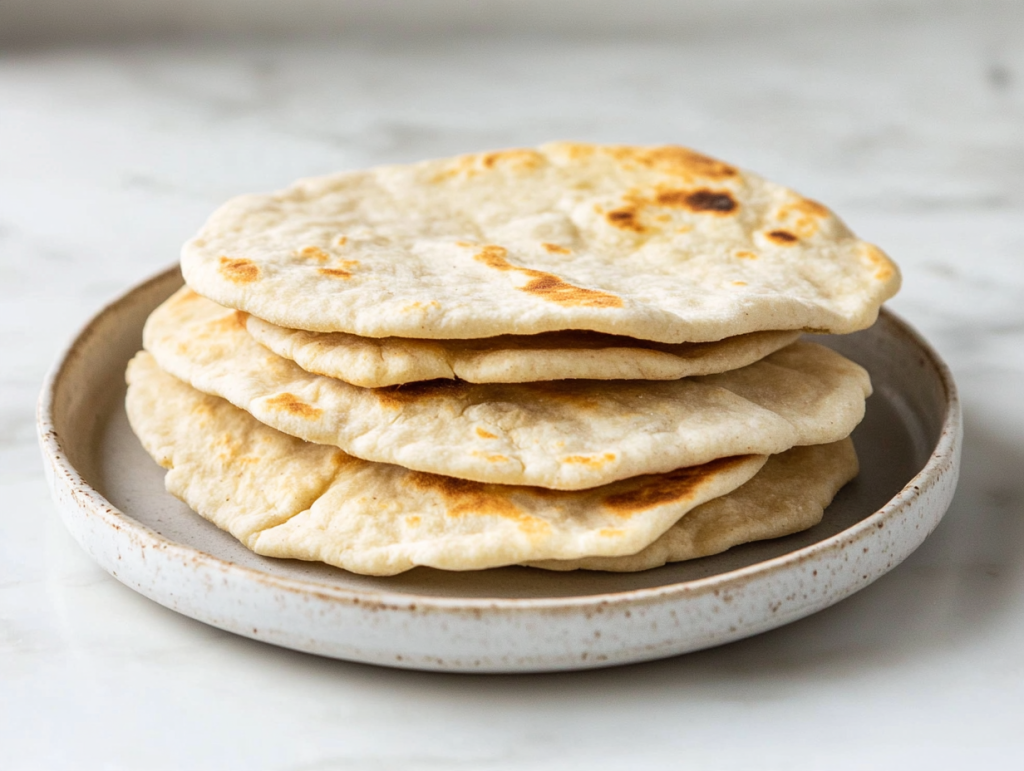
Keto Pita Bread is a low-carb alternative to traditional pita, made with almond flour, psyllium husk, eggs, and a few pantry staples. The dough forms soft, flexible rounds that work well for wraps, sandwiches, and dipping.
This homemade pita is a practical option for anyone reducing carbohydrates while still wanting bread alongside everyday meals. The dough requires no rising time, and the rounds cook quickly in a skillet.
Why This Keto Pita Bread Is Worth Making
- Quick preparation: The dough takes about 10 minutes to prepare, followed by a short resting period.
- Useful for everyday meals: The rounds can be used for wraps, sandwiches, or as a side with soups.
- Simple cooking method: A skillet makes it possible to cook the bread without turning on the oven.
- Easy portioning: Dividing the dough into six rounds makes serving straightforward.
- Adjustable dough: A little extra warm water can help bring the dough together if the psyllium absorbs more liquid than expected.
Ingredients for Keto Pita Bread
- Blanched almond flour: Finely ground almond flour provides the main structure and a mild, nutty flavor. Avoid coarse almond meal, which can make the pita grainier.
- Psyllium husk powder: This ingredient absorbs moisture and helps the dough hold together. It is important for creating flexible rounds without gluten.
- Baking powder and salt: Baking powder provides some lift, while salt balances the flavor of the almond flour.
- Eggs: Eggs bind the ingredients and help the cooked bread maintain its shape.
- Olive oil: Olive oil adds moisture and richness, helping the pita remain tender.
Chef’s Tip: Let the dough rest for the full five minutes before shaping it. Psyllium husk needs time to absorb the water, so adjusting the dough too early can make it harder to judge the correct consistency.
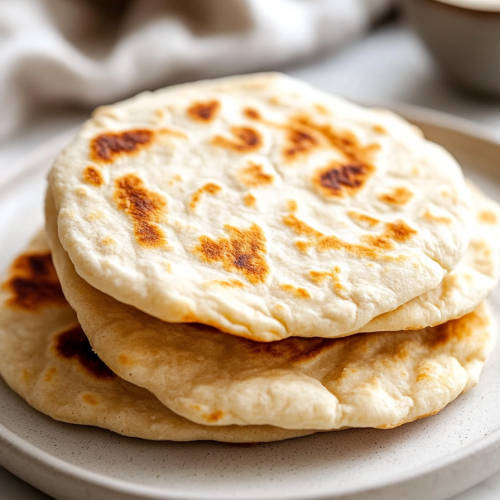
Keto Pita Bread Recipe
Keto Pita Bread is a low-carb alternative to traditional pita, made with almond flour, psyllium husk, and a few simple ingredients. The dough forms soft, flexible rounds that can be used for wraps, sandwiches, or served alongside soups and dips. Psyllium husk helps bind the dough and gives the bread a more pliable texture without using wheat flour.This homemade pita bread is suitable for anyone looking to reduce carbohydrates while still enjoying bread with everyday meals. The dough comes together without yeast or a long rising time, making it practical for a quick lunch or dinner. Cook the rounds in a skillet until lightly browned, then serve them warm with your favorite keto-friendly fillings.
Equipment
- Large mixing bowl
- Whisk
- Measuring cups and spoons
- Spatula or wooden spoon
- Rolling pin
- Parchment paper
- Nonstick skillet or heavy-bottomed pan
- Clean kitchen towel
Ingredients
- 1½ cups finely ground blanched almond flour
- ¼ cup psyllium husk powder
- 2 teaspoons baking powder
- ½ teaspoon salt
- 2 large eggs
- 2 tablespoons olive oil
- ½ cup warm water plus more if needed
Instructions
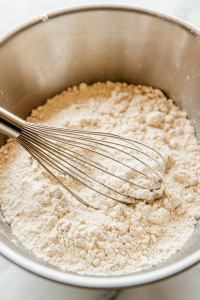
- In a large mixing bowl, whisk together the almond flour, psyllium husk powder, baking powder, and salt. Break up any lumps so the ingredients are evenly distributed. Use finely ground blanched almond flour for a smoother texture.
- In a separate bowl, whisk the eggs, olive oil, and warm water until combined. The water should be warm rather than hot. This mixture provides moisture and helps bring the almond flour dough together.
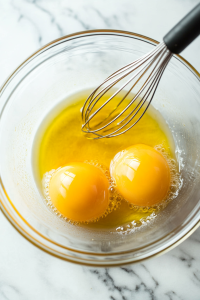
- Pour the wet ingredients into the dry ingredients. Stir with a spatula or wooden spoon until a thick dough forms. Let it sit for about 5 minutes so the psyllium husk can absorb the liquid. The dough should be soft and workable rather than wet or crumbly.
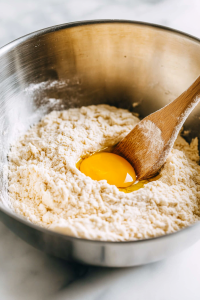
- Check the dough after resting. If it feels too dry or cracks when pressed, add warm water a teaspoon at a time. If it is very sticky, let it rest for another minute before handling. Psyllium husk brands absorb liquid differently, so small adjustments may be needed.
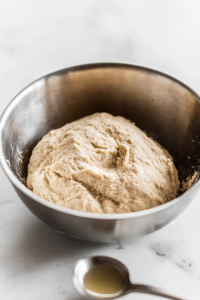
- Divide the dough into 6 equal portions and roll each portion into a ball. Place one ball between two sheets of parchment paper and roll it into a round about 5–6 inches wide and approximately ⅛ inch thick. Repeat with the remaining dough, keeping the rounds covered to prevent them from drying out.

- Place a nonstick skillet or heavy-bottomed pan over medium heat. Allow it to heat thoroughly before cooking. You generally do not need to add oil because the dough already contains olive oil, but a very light coating can help if your pan tends to stick.
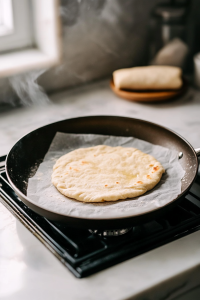
- Place one dough round in the hot skillet and cook for about 2–3 minutes, until the underside develops light brown spots. Flip and cook the other side for another 2–3 minutes. Press gently with a spatula if needed, but avoid flattening the bread too much. Repeat with the remaining rounds, adjusting the heat to prevent excessive browning.
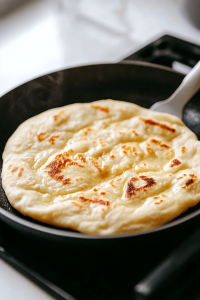
- Transfer the cooked pitas to a clean kitchen towel and cover loosely to keep them soft as they cool. Serve warm with keto-friendly fillings, dips, or grilled vegetables. Once completely cooled, store any leftovers in an airtight container.

Notes
- Use psyllium husk powder: It helps bind the dough and improves flexibility. Whole psyllium husks may produce a different texture and may require different quantities.
- Check the ingredients: Some psyllium husk powders can turn the dough purple or gray after cooking. This is usually a harmless color change.
- Roll evenly: Keeping each pita at a similar thickness helps them cook at the same rate.
- Do not use excessive heat: Medium heat allows the centers to cook without making the outside too dry or dark.
- Expect a different texture: Almond flour pita will not taste exactly like wheat-based pita. It is generally more tender and slightly denser.
Nutrition Information
| Nutrient | Amount per pita |
|---|---|
| Calories | 160 kcal |
| Carbohydrates | 7 g |
| Protein | 6 g |
| Fat | 14 g |
| Fiber | 5 g |
| Sugar | 1 g |
| Sodium | 300 mg |
Keto Pita Bread Variations
- Garlic herb pita: Add a small amount of garlic powder and dried oregano to the dry ingredients.
- Sesame pita: Sprinkle sesame seeds over the rounds and press them gently into the surface before cooking.
- Cumin pita: Increase the earthy flavor by adding a little ground cumin to the dough.
- Rosemary pita: Mix in finely chopped dried rosemary for an herb-forward flavor.
- Cheese-flavored pita: Add a small amount of finely grated Parmesan to the dry ingredients, accounting for its additional saltiness.
What to Serve with Keto Pita Bread
- Quick Caramelized Onions Recipe
- Hidden Valley Ranch Dip Recipe
- Creamy Cauliflower Cheddar Soup Recipe
- Creamy Potato Leek Soup Recipe
- Zucchini Bread Recipe
Frequently Asked Questions
- Does keto pita bread contain gluten?
This recipe contains no wheat flour or other gluten-containing ingredients as listed. Check the labels on your almond flour, psyllium husk, and baking powder if you need to avoid gluten because of an allergy or medical condition. - Why is psyllium husk important in this recipe?
Psyllium husk absorbs liquid and forms a gel-like structure that helps bind the dough. Without it, almond flour alone would not produce the same flexible pita texture. - Can I make the pita without eggs?
Eggs provide binding and structure in this recipe, so removing them may change how well the dough holds together. - Will these pita breads puff up like traditional pita?
They may expand slightly during cooking, but they generally do not form the same large hollow pocket as traditional wheat-based pita. Their texture is more tender and dense. - How thin should I roll the dough?
Roll each portion to approximately ⅛ inch thick and about 5–6 inches wide. Keeping the rounds uniform helps them cook evenly in the skillet. - Can I use coconut flour instead of almond flour?
Coconut flour absorbs much more liquid than almond flour and behaves differently in dough. It cannot be substituted in the same quantity without changing the recipe proportions. - How do I know when the skillet is ready?
The pan should be thoroughly heated over medium heat before the first pita goes in. If the bread develops dark spots too quickly, lower the heat slightly.