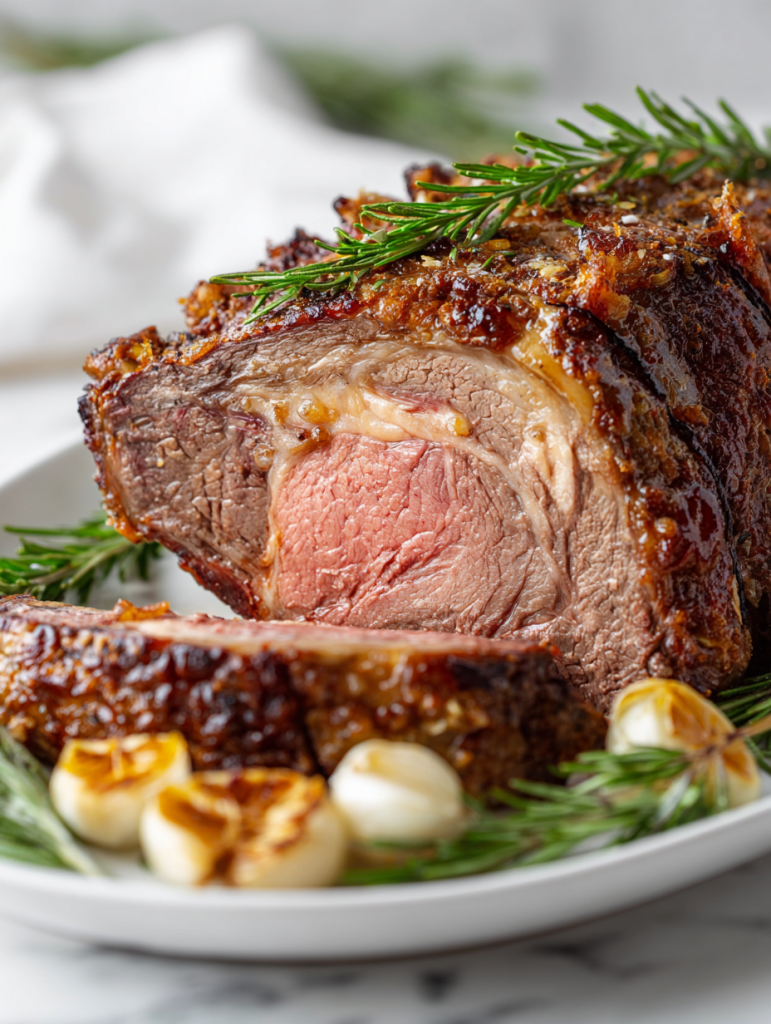
Christmas is a season of quiet rituals that gather us around the table. This prime rib recipe is a nod to those moments of simplicity—no fuss, just good meat and mindful timing. It’s about honoring the meat’s natural flavors while keeping the process honest and approachable.
In a world of flash-in-the-pan dishes, this roast asks for patience and care. It’s not flashy, but it’s rooted in tradition, making every holiday feel a little more personal. The smell of roasting beef, the crackling crust, and the tender, rosy center—they all matter now.
Why I Keep Coming Back to This Roast
It’s the quiet confidence in each step, the way the aroma fills the house, and that perfect moment when the crust crackles as I carve. There’s a rhythm to it—an honest, unhurried process that makes every holiday feel rooted in tradition. It’s a reminder that good things take time and respect for the ingredients.
Breaking Down the Prime Rib
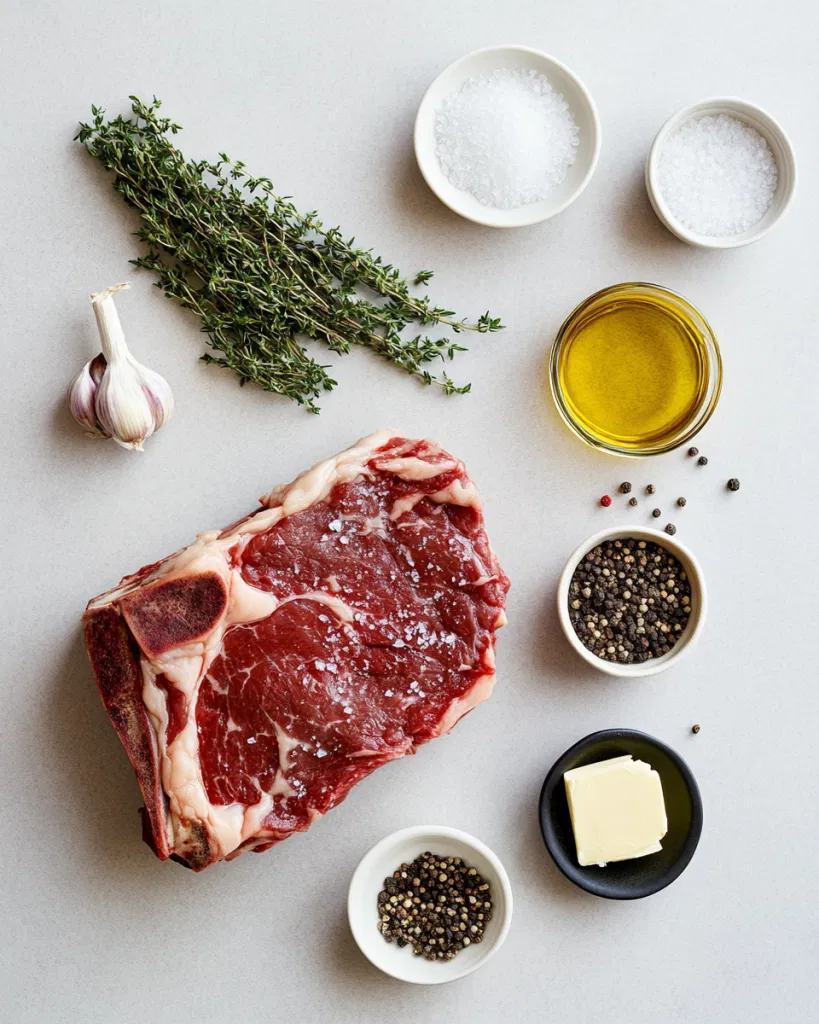
- Prime rib roast: The star—choose a well-marbled cut for juicy, tender slices, seasoned simply with salt and pepper.
- Kosher salt: Helps form a flavorful crust and enhances the beef’s natural flavor.
- Black pepper: Freshly ground for a peppery kick that complements the meat’s richness.
- Garlic powder: Adds a subtle aromatic layer without overpowering the natural beef aroma.
- Olive oil: Helps the rub stick and promotes a crisp crust during searing.
- Beef jus or au jus: A simple, savory sauce to serve alongside, highlighting the meat’s juices.
- Fresh herbs (rosemary, thyme): Optional, for adding aromatics during resting or serving.
Tools of the Trade for a Quiet Roast
- Oven: Roasting the prime rib evenly at high heat.
- Wire rack: Elevates the meat for better heat circulation.
- Cast iron skillet: Searing the meat for a flavorful crust.
- Meat thermometer: Checking internal doneness precisely.
- Chef’s knife: Slicing cleanly against the grain.
The Art of Prime Rib Preparation
Step 1: Start by bringing your prime rib out of the fridge at least two hours before cooking. This helps it cook more evenly.
Step 2: Preheat your oven to 230°C (450°F). Place a wire rack in a roasting pan to keep the meat elevated.
Step 3: Pat the meat dry with paper towels. Rub generously with salt, pepper, and a hint of garlic powder.
Step 4: Sear the meat in a hot skillet (preferably cast iron) for 2-3 minutes on each side until a deep brown crust forms.
Step 5: Transfer the prime rib to the oven, and roast for about 15 minutes per pound, aiming for a core temperature of 52°C (125°F) for rare.
Step 6: Once the desired temperature is reached, turn off the oven and let the meat rest for at least 20 minutes, tented loosely with foil.
Step 7: Carve against the grain, serve with jus or roasted vegetables, and enjoy the quiet, respectful ritual of a good roast.
Classic Prime Rib Roast
Equipment
- Oven
- Wire rack
- cast-iron skillet
- Meat thermometer
- Chef’s knife
Ingredients
- 1 large prime rib roast preferably well-marbled
- 2 tablespoons kosher salt for dry-brining
- 1 teaspoon black pepper freshly ground
- 1 teaspoon garlic powder optional, for added flavor
- 1 tablespoon olive oil helps form crust
- Fresh rosemary and thyme optional aromatics for resting or serving
Instructions
- Remove the prime rib from the fridge and let it sit at room temperature for at least two hours to promote even cooking.
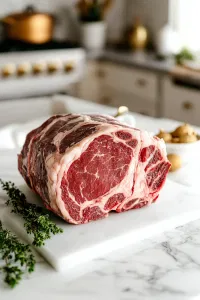
- Preheat your oven to 230°C (450°F) and place a wire rack inside a roasting pan to elevate the meat.
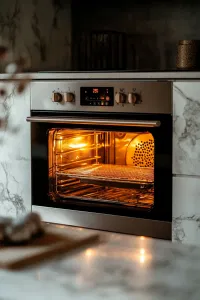
- Pat the roast dry with paper towels to remove excess moisture, which helps develop a good crust.
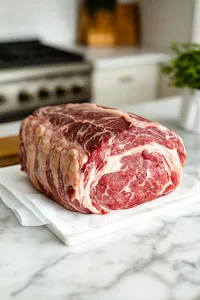
- Rub the entire surface generously with kosher salt, then sprinkle with freshly ground black pepper and garlic powder for seasoning.
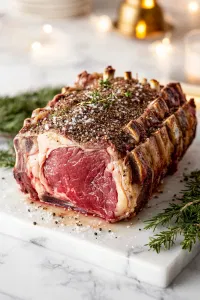
- Heat a cast iron skillet over high heat until it’s smoking slightly, then carefully place the meat in the skillet.
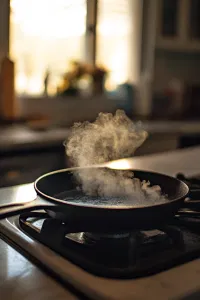
- Sear each side of the roast for 2-3 minutes until a deep brown crust forms and the meat makes a satisfying sizzle.
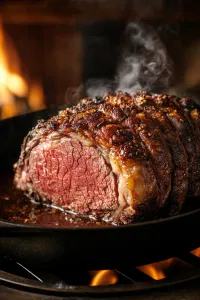
- Transfer the seared roast onto the wire rack in the roasting pan, then place it in the preheated oven.
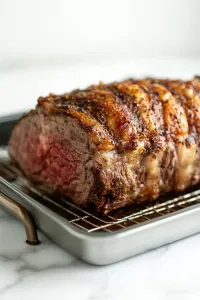
- Roast the beef for about 15 minutes per pound, or until the internal temperature reaches 52°C (125°F) for rare. Use a meat thermometer to check the temperature.
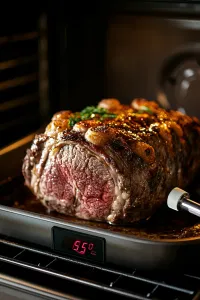
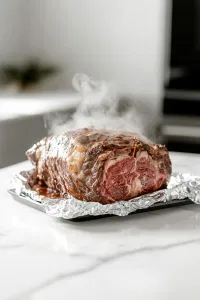
- Once the desired temperature is reached, turn off the oven and tent the roast loosely with foil. Let it rest for at least 20 minutes to allow juices to redistribute.
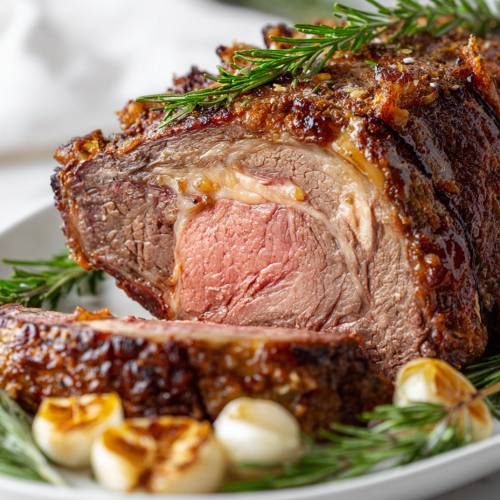
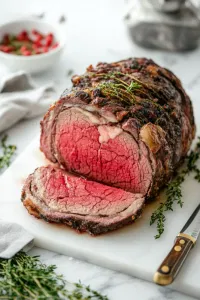
- Carve the roast against the grain into thick slices using a sharp chef’s knife, revealing a rosy, tender interior.
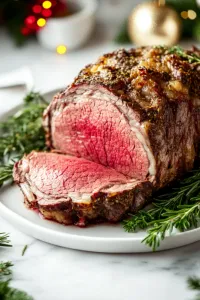
- Serve the prime rib with fresh herbs and your favorite sides, enjoying the crackling crust and juicy, flavorful slices.
Notes
Cooking Checkpoints & Tips to Trust
- The crust should be deep brown and crackling before you take it out.
- The internal temperature at the center should be around 52°C (125°F) for rare, adjust for your preference.
- The meat should feel firm but give slightly when pressed, not too soft or too hard.
- Resting is crucial—allow at least 20 minutes to let juices redistribute.
Common Mistakes & How to Correct Them
- Under-searing the meat.? If the crust isn’t brown enough, bump the oven to 260°C (500°F) for 5 minutes.
- Overcooking or undercooking.? If the meat overcooks, reduce cooking time and start checking internal temp sooner.
- Carving immediately after roasting.? If juices run pink when carving, let the meat rest longer.
- Over-torched crust.? If the crust is burnt, lower oven temperature slightly or cover with foil early.
This roast isn’t about showy techniques but about patience and respect for the meat. It’s a moment to slow down, savor, and trust your instincts. Each slice should reveal a juicy, tender interior with a savory crust—simple, honest, festive. It’s a recipe that feels like a quiet celebration of tradition and flavor.