Tomato Sauce Recipe: The Slow-Simmered Love Letter Your Stove Needs
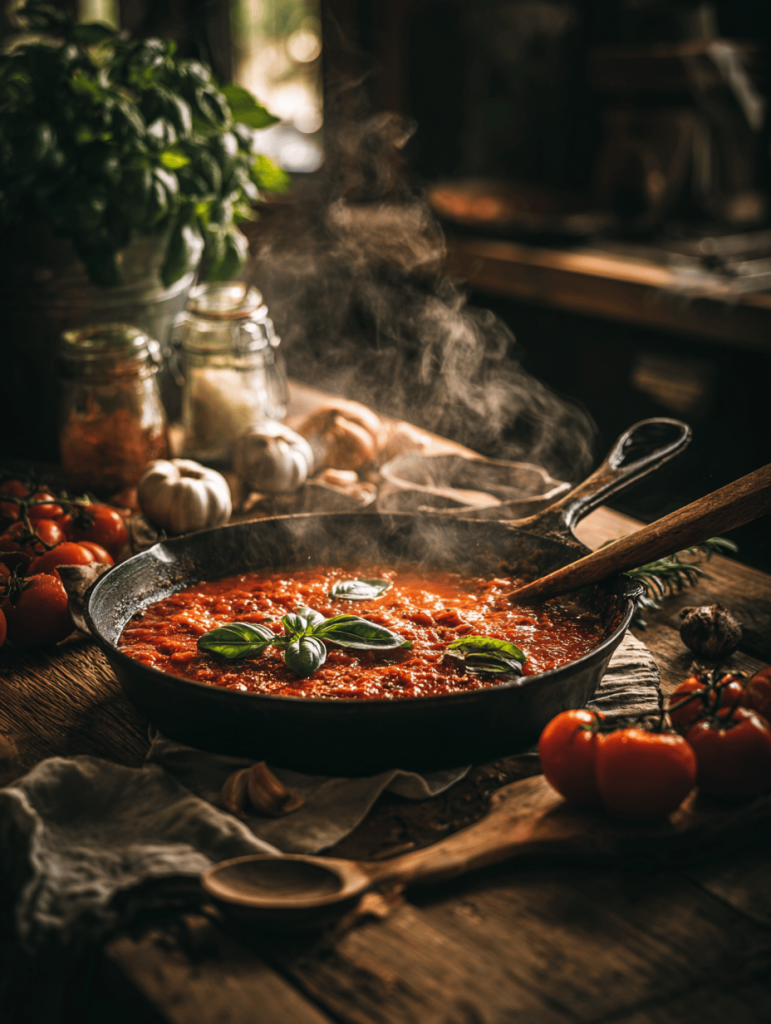
Sometimes, a simple pot of tomato sauce feels like a quiet act of rebellion in a busy world. It’s honest work—meant to fill a kitchen with the scent of roasted garlic and caramelized onions, then coat pasta or spoon over grilled veggies. There’s a calm satisfaction in knowing you’ve built something from scratch, even if it’s just a humble sauce.
This recipe isn’t about fussing over perfection or flashing culinary tricks. It’s about patience, about letting good ingredients speak for themselves. The magic happens during the slow simmer, transforming bright, raw tomatoes into something richer, deeper—almost nostalgic in its familiarity. That gentle, extended cooking is what makes it so rewarding, and it’s a process worth embracing.
Why I Love This Tomato Sauce — And Why You Might Too
– I’ve made this sauce on chaotic mornings, and it’s a reminder that simple comfort can come fast, if you start early enough.
– It’s a family recipe passed down through generations, each batch tweaked with love and care, making it more special every time.
– Watching humble ingredients melt and meld into a luscious sauce fills the house with a slow, sweet aroma—an instant mood lifter.
– Crushing fresh basil and hearing that crackle in the pan makes me feel connected to the season, to the earth, to my own memories of home-cooked meals.
– When I need a reliable, hearty meal without fuss, this sauce is the quiet hero in my kitchen arsenal, ready to elevate any dish.
Ingredient Breakdown — What Makes This Sauce Sing
– Ripe tomatoes: First-person, I lean on ripe, juicy heirlooms or plum tomatoes. If they’re not in season, canned San Marzanos work beautifully. Look for plump, fragrant tomatoes that promise a fresh, zesty punch.
– Garlic: I love gently crushing whole cloves—more flavor, less bitterness. If you’re sensitive, minced garlic is fine, but don’t overdo it. A little goes a long way.
– Onion: Sweet yellow onions are my go-to—they melt into the sauce, adding a soft caramel note that balances acidity. Red onions can add a bolder depth if you’re feeling adventurous.
– Olive oil: Extra-virgin, cold-pressed for that grassy, peppery aroma. If you only have a lighter oil, just use a bit more to boost flavor.
– Basil & herbs: Fresh basil brightens everything. If fresh isn’t available, a pinch of oregano or thyme can add that earthy note you crave.
– Salt & pepper: Simple but essential—use sea salt and freshly cracked black pepper for that final punch of flavor.
Making the Magic: Step-by-Step for Your Perfect Tomato Sauce
Equipment & Tools
– Large heavy-bottomed saucepan or Dutch oven — for even heat and slow simmering.
– Sharp knife & cutting board — to chop aromatics efficiently.
– Wooden spoon or silicone spatula — for stirring without scratching.
– Blender or immersion blender — optional, for a smoother sauce.
Steps
1. Prepping: Peel and crush garlic, dice onions, and chop tomatoes if fresh. Have everything within arm’s reach to keep the process smooth.
2. Heat the oil: Warm 2 tablespoons of olive oil over medium heat (~160°C / 320°F). It should shimmer but not smoke—this is crucial for flavor.
3. Sauté aromatics: Add onions, cooking until translucent, about 5 minutes. They should smell sweet, with a faint caramel note forming.
4. Add garlic: Toss in garlic, cooking until fragrant—about 30 seconds. Be careful not to burn it; the aroma should turn spicy and warm, not bitter.
5. Introduce tomatoes: If using fresh, add chopped tomatoes now. If canned, pour in the juice. Stir and let cook down for 10 minutes, stirring occasionally.
6. Simmer & season: Reduce heat to low (~90°C / 194°F). Crush tomatoes further with your spoon if chunky. Season with salt, pepper, and herbs.
7. Cook slowly: Let the sauce simmer gently for 30-45 minutes. It will thicken, deepen in color, and smell sweet and smoky.
8. Optional blend: For a smoother sauce, use an immersion blender to purée until silky. Taste and adjust seasoning as needed.
Resting & Finishing
Turn off the heat and let the sauce rest for 5 minutes. Stir in freshly chopped basil just before serving. The sauce is best enjoyed warm, spooned over pasta, grilled bread, or even as a topping for pizza. Remember, it only gets better as it sits, with flavors melding further.
How to Know It’s Done
– It reaches a glossy, slightly thickened consistency—no more runny or watery.
– The color deepens to a rich ruby hue, accompanied by a fragrant, roasted tomato smell.
– When you drag a spoon across the bottom of the pan, the trail should stay for a second before filling in—indicating a perfect thickness.
Common Mistakes and How to Fix Them
– FORGOT to salt early: Add salt during simmering, not just at the end. It helps flavors develop fully.
– DUMPED in too much garlic: If it tastes bitter, dilute with a splash of water or broth and cook a few minutes longer.
– OVER-TORCHED the onions or garlic: If it smells burnt, start fresh with new aromatics and lower your heat.
– SAUCE is too acidic: Stir in a pinch of sugar or grated carrot to mellow sharpness.
Quick Kitchen Fixes When Things Go Awry
– Sauce too thick? Splash in warm water and stir gently to loosen.
– Flat or dull-tasting? Add a splash of vinegar or lemon juice for brightness.
– Burnt bottom? Carefully scoop the good sauce into a new pan, avoiding scraping burnt bits.
– Bubbling over? Reduce heat immediately and shield with a wooden spoon.
– Olive oil shimmer on top? Drizzle more before serving for extra gloss and flavor.
Slow-Simmered Tomato Sauce
Equipment
- Large heavy-bottomed saucepan or Dutch oven
- Sharp Knife & Cutting Board
- Wooden spoon or silicone spatula
- Immersion blender (optional)
Ingredients
- 2 tablespoons olive oil extra-virgin, cold-pressed
- 1 medium yellow onion diced
- 4 cloves garlic gently crushed or minced
- 28 oz canned San Marzano tomatoes or fresh, chopped
- 1 teaspoon salt adjust to taste
- 0.5 teaspoon freshly cracked black pepper
- 1 cup fresh basil chopped, added at the end
Instructions
- Heat the olive oil in a large saucepan over medium heat until it shimmers with a gentle sizzle.
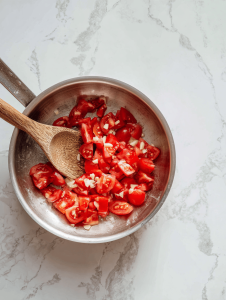
- Add the diced onions and cook, stirring occasionally, until they turn translucent and start to soften, about 5 minutes. The aroma will be sweet and fragrant.
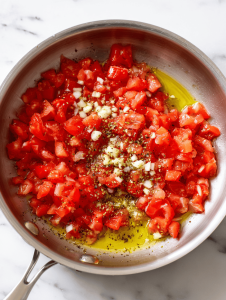
- Stir in the crushed or minced garlic, cooking for about 30 seconds until fragrant; be careful not to burn it, as it can turn bitter.
- Add the canned tomatoes (with juice) to the pan, breaking them up with your spoon if they’re chunky. Bring the mixture to a gentle simmer and let cook for 10 minutes, stirring occasionally.
- Reduce the heat to low and let the sauce simmer gently for 30 to 45 minutes, stirring every so often. The sauce will thicken, deepen in color, and develop a rich aroma.
- If you prefer a smoother sauce, use an immersion blender to purée it until silky, or leave it chunky for more texture. Adjust seasoning with salt and pepper to taste.
- Once the sauce is thick and glossy, turn off the heat and stir in the chopped fresh basil. Let it sit for a minute to release its aroma.
- Serve the sauce warm over cooked pasta, grilled vegetables, or spread on crusty bread. It’s best enjoyed fresh but will deepen in flavor as it sits.