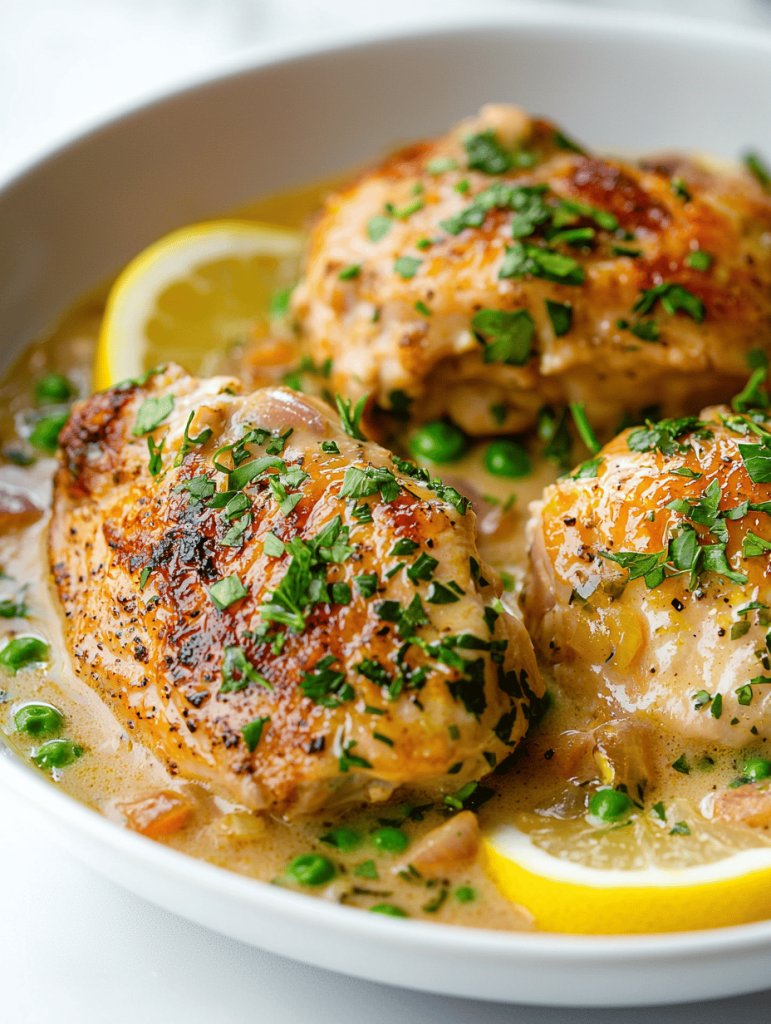
Many think of classic American dishes as timeless, but this recipe carries a secret: it was once a presidential favorite, served in Lincoln’s White House. What makes it truly special is not just its historical roots but how it transforms into a comforting dish that feels surprisingly current. Connecting with this meal is like sitting at a grand table with a man who navigated the nation through chaos, yet cherished simple joys like a hearty stew.
During my kitchen experiments, I discovered that the secret ingredient is patience—slow simmering unlocks layers of rich, velvety flavor. The aroma of herbs blending with tender chicken wafts like a whisper from the past. It’s an ode to resilience, a dish that feels right now, when slow food is a quiet rebellion against fast-paced life.
WHY I LOVE THIS RECIPE?
- I love the nostalgia for an America that found strength in simple, honest food.
- The silky sauce feels like a warm, historical embrace that soothes modern chaos.
- My pride skyrockets each time I see the tender chicken soaking up a flavorful, glossy jus.
- There’s pure joy in transforming humble ingredients into a regal-looking dish.
- Relief washes over me knowing I’m cooking a meal that’s as meaningful as it is delicious.
AVOID MY DISASTER (You’re Welcome)
- FORGOT to brown the chicken? It turns out flavor starts with that crispy, golden sear.
- DUMPED all the broth in one go? Slow pour and stirring create a silky sauce, not a watery mess.
- OVER‑TORCHED the thickening sauce? Lower the heat immediately, then add more cream or butter.
- EXCEEDED the cooking time? The chicken dries out—cover it up and simmer gently instead.
QUICK FIXES THAT SAVE YOUR DAY
- When the sauce thickens too fast, splash in a bit of warm broth to loosen it.
- Patch a burnt sauce by scraping the top layer and stirring in fresh cream.
- Shield the chicken by lowering heat and adding a splash of cold water.
- When the chicken isn’t tender enough, cover and simmer for another 10 minutes.
- When lacking fresh herbs, use dried and let it simmer longer for flavor release.
Cooking this dish feels like stepping into history, yet it resonates with today’s desire for honest, slow-made meals. The gentle simmering fills my kitchen with comforting smells, reminding me of quieter, simpler times. That connection to the past makes every bite feel like a small act of resilience.
Whether you’re looking for a cozy weekend project or a dish that sparks conversation, Abraham Lincoln’s Chicken Fricassee offers richness rooted in tradition and tuned for modern tastes. A meal worth savoring, slowly and with intention, in any season.
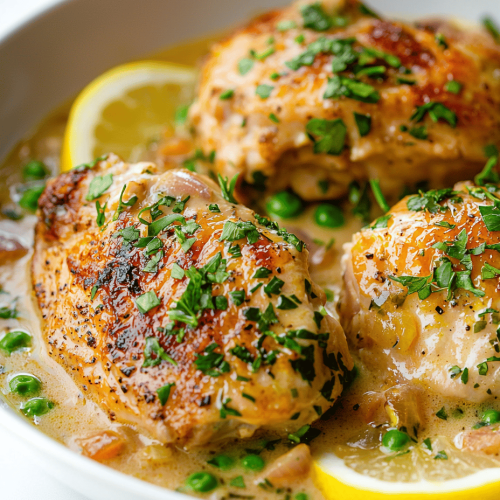
Abraham Lincoln’s Chicken Fricassee
Equipment
- Large heavy-bottomed skillet or Dutch oven
- Tongs or slotted spoon
- Wooden spoon or spatula
Ingredients
- 4 pieces bone-in chicken thighs and drumsticks preferably skin-on for flavor
- 2 tablespoons unsalted butter for browning and sauce
- 1 medium onion finely chopped
- 2 cloves garlic minced
- 2 tablespoons all-purpose flour for thickening
- 2 cups chicken broth preferably homemade or low-sodium
- 1 bay leaf bay leaf
- 1 teaspoon dried thyme or 1 tablespoon fresh, chopped
Instructions
- Pat the chicken pieces dry with paper towels and season generously with salt and pepper. Heat a tablespoon of butter in your skillet over medium-high heat until shimmering. Add the chicken pieces skin-side down and cook without moving for about 5-7 minutes until golden brown. Turn and brown the other side for another 5 minutes. Remove the chicken and set aside.
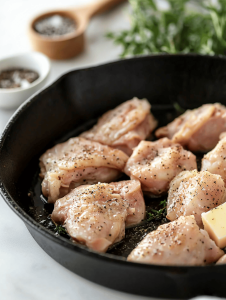
- Add the remaining butter to the skillet, then stir in the chopped onion and cook for 3-4 minutes until translucent and fragrant. Add the minced garlic and cook for another 30 seconds until aromatic.
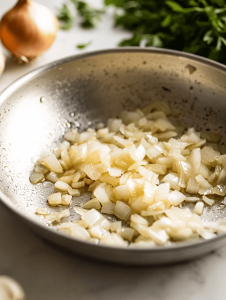
- Sprinkle the flour over the onion mixture and stir well, cooking for about 1-2 minutes to form a roux. This will help thicken the sauce and give it a velvety texture.
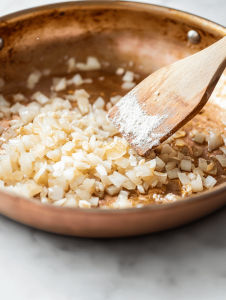
- Gradually pour in the chicken broth while stirring constantly to avoid lumps. Scrape up any browned bits from the bottom of the pan as they add rich flavor. Add the bay leaf and thyme, then bring the mixture to a gentle simmer.
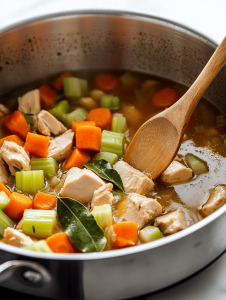
- Return the browned chicken pieces to the skillet, nestling them into the sauce. Cover the pan, reduce the heat to low, and let everything simmer gently for 35-40 minutes, or until the chicken is cooked through and tender.
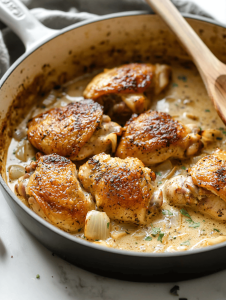
- Uncover the skillet and, if needed, turn up the heat slightly to thicken the sauce. Continue simmering for another 5-10 minutes until the sauce is glossy and has reached your desired consistency. Remove the bay leaf and taste, adjusting seasoning with salt and pepper as needed.
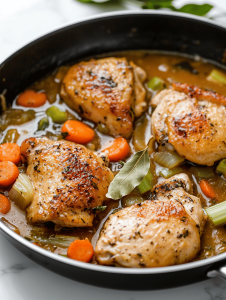
- Plate the chicken, spooning generous amounts of the velvety sauce over each piece. Serve hot, accompanied by crusty bread or boiled potatoes to soak up the delicious gravy.
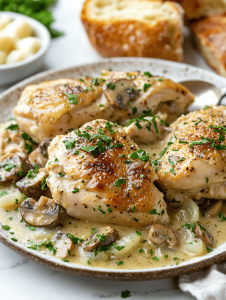
This recipe is a reminder that history can be tasted in the simplest of ingredients. As the flavors blend and the sauce coats every piece of tender chicken, I feel a deeper appreciation for the stories carried in our everyday meals. It’s a dish that invites reflection, gratitude, and a little bit of history to our modern tables.
In times when life demands comfort and connection, this fricassee offers both. There’s something about slow-cooked chicken—richly flavored and layered—that makes even the most hectic days feel a bit calmer. It’s a testament to how food, when made with care, can bridge past and present beautifully.