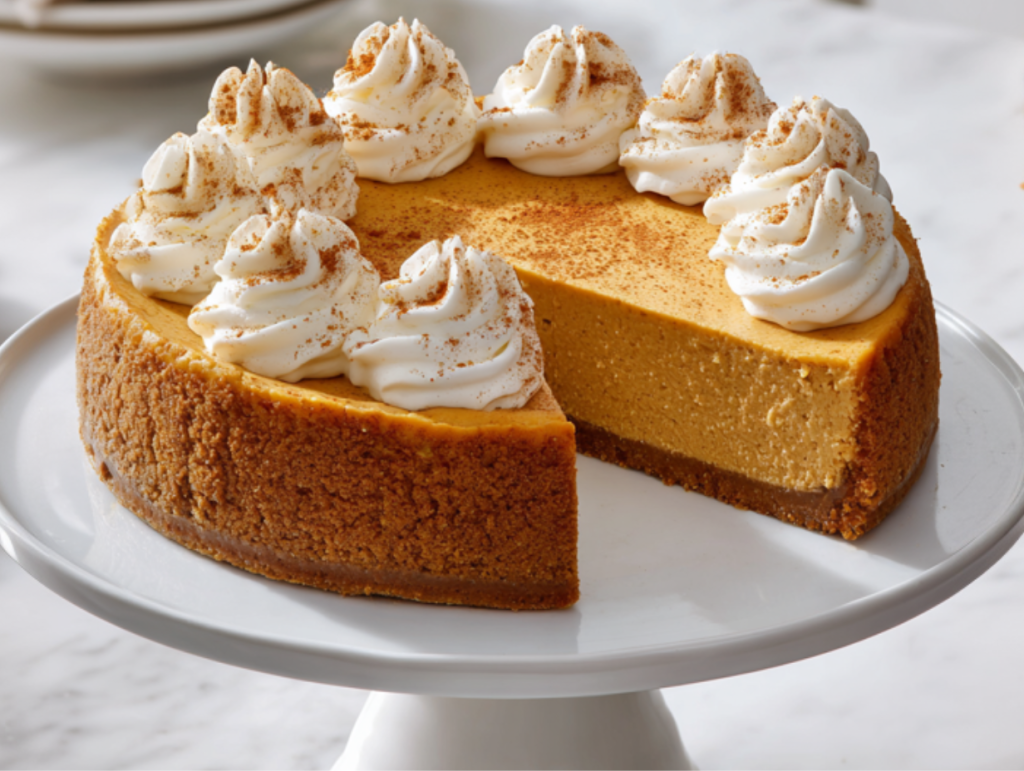
Pumpkin Cheesecake is the ultimate fall dessert, combining creamy cheesecake with rich pumpkin puree and warm baking spices. Baked on a buttery graham cracker crust, it delivers a smooth, luxurious texture that’s perfect for holiday tables, family gatherings, or cozy weekends at home.
Each slice is rich and velvety with notes of cinnamon, nutmeg, and pumpkin in every bite. The contrast between the crisp crust and creamy filling creates a dessert that feels both comforting and elegant.
Why This Pumpkin Cheesecake Works So Well
- Perfect Holiday Dessert: Ideal for Thanksgiving and fall celebrations.
- Rich Yet Balanced: Pumpkin and spices complement the creamy filling beautifully.
- Make-Ahead Friendly: Tastes even better after chilling overnight.
- Classic Fall Flavors: Warm spices create cozy seasonal appeal.
- Elegant Presentation: Looks impressive with minimal decoration.
Ingredient Guide & Easy Swaps
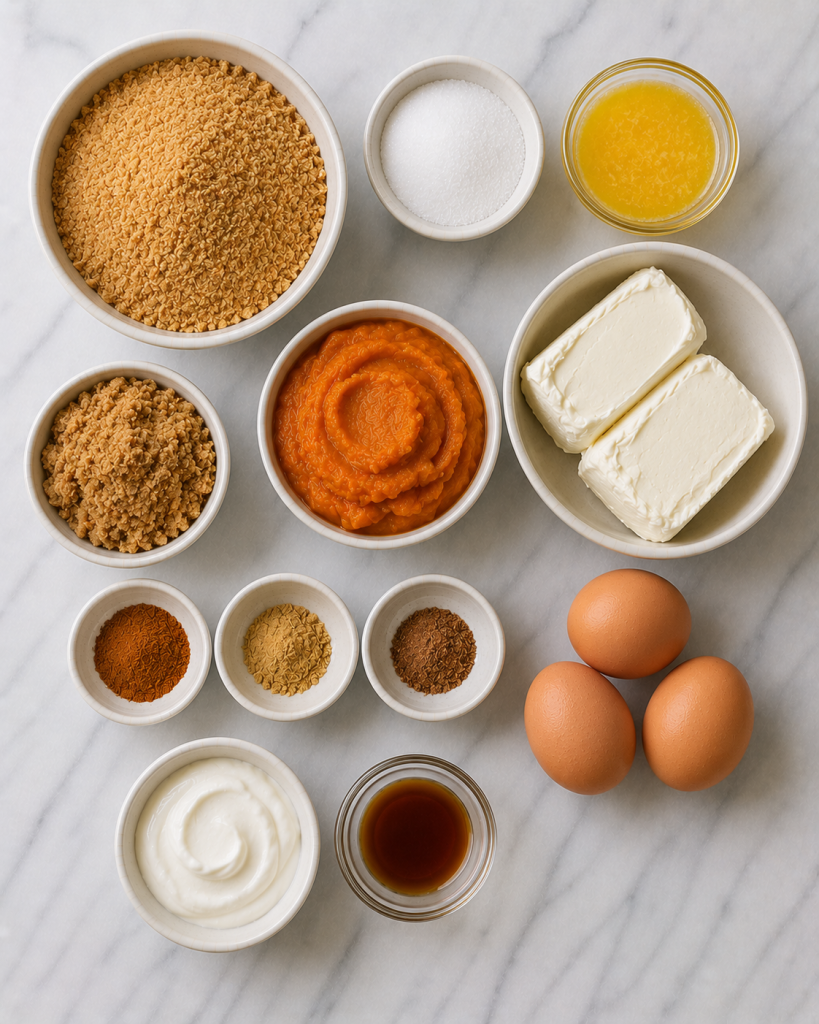
- Pumpkin Puree: Provides moisture, flavor, and color. Canned or homemade puree works well.
- Cream Cheese: Creates the rich cheesecake base. Full-fat cream cheese delivers the best texture.
- Graham Cracker Crust: Adds buttery crunch. Gingersnap cookies make a flavorful alternative.
- Warm Spices: Cinnamon, nutmeg, and cloves create classic fall flavor.
- Sugar: Balances the pumpkin and spices. Brown sugar adds deeper caramel notes.
- Eggs: Help create the smooth, custard-like texture.
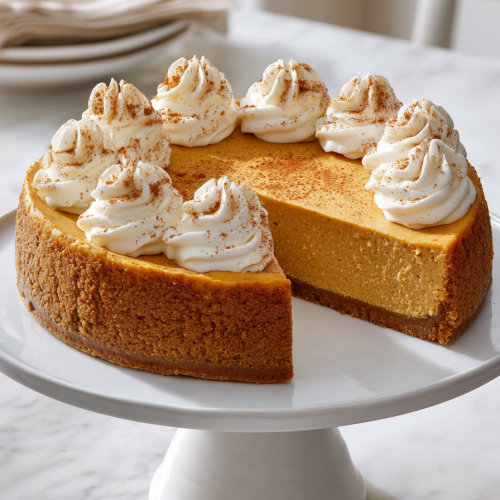
Pumpkin Cheesecake
This pumpkin cheesecake features a creamy, velvety filling infused with warm spices and rich pumpkin puree, baked on a buttery graham cracker crust. The bake yields a slightly cracked top with a smooth, dense texture that melts in your mouth, perfect for fall gatherings or weekends. Each slice offers a harmonious balance of sweetness, spice, and autumnal comfort.
Equipment
- Springform pan
- Mixing bowls
- Spatula
- Electric mixer or whisk
- Aluminum foil
- Baking sheet
Ingredients
- 1 1/2 cups Graham cracker crumbs preferably toasted for extra flavor
- 1/4 cup granulated sugar
- 6 tablespoons unsalted butter melted
- 16 oz cream cheese softened to room temperature
- 1/2 cup brown sugar light or dark
- 1 1/2 teaspoons ground cinnamon
- 1/2 teaspoon ground ginger
- 1/4 teaspoon ground nutmeg
- 1 cup canned pumpkin preferably pure pumpkin puree
- 3 large eggs at room temperature
- 1/2 cup sour cream or heavy cream
- 1/2 teaspoon vanilla extract
Instructions
- Preheat the oven to 325°F (163°C). Lightly grease a 9-inch springform pan and place it on a baking sheet.
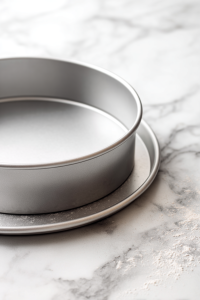
- In a large bowl, combine graham cracker crumbs, granulated sugar, and melted butter. Mix until the crumbs are evenly moistened. Press the mixture firmly into the bottom of the prepared springform pan to form an even crust.
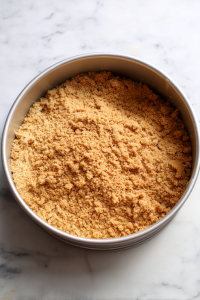
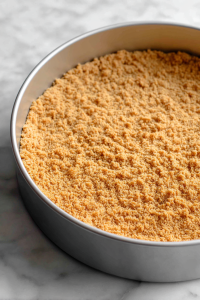
- Bake the crust for 8–10 minutes, or until lightly golden. Remove from the oven and allow it to cool completely while preparing the filling.
- In a large mixing bowl, beat the softened cream cheese with an electric mixer until completely smooth and creamy, scraping down the sides of the bowl as needed.
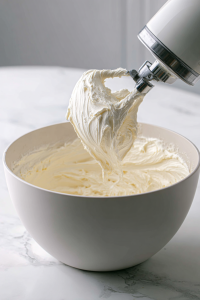
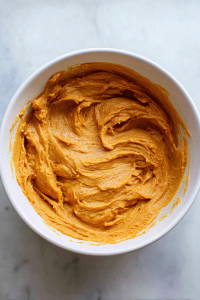
- Add the pumpkin puree, brown sugar, vanilla extract, cinnamon, ginger, nutmeg, and eggs. Mix on low speed until fully combined and silky smooth. Avoid overmixing.
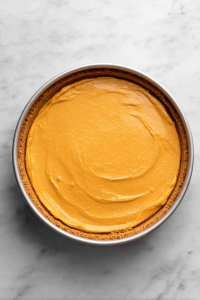
- Pour the pumpkin cheesecake filling over the cooled crust. Spread it evenly and smooth the top with a spatula.
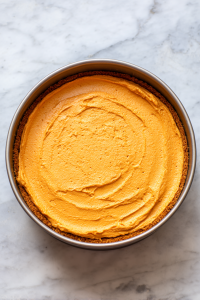
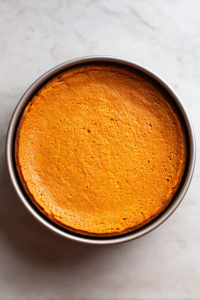
- Bake for 55–65 minutes, or until the edges are set and slightly puffed while the center still has a slight jiggle. Turn off the oven and leave the cheesecake inside with the door slightly open for 1 hour.
- Remove the cheesecake from the oven and let it cool completely on a wire rack. Once cooled, refrigerate for at least 4–6 hours or overnight until fully chilled and set.
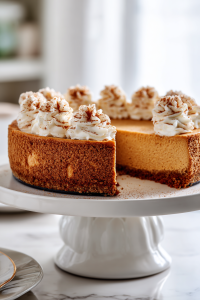
- Carefully remove the cheesecake from the springform pan and transfer it to a white cake stand or serving platter. Top with whipped cream rosettes, a light dusting of cinnamon, and a sprinkle of pumpkin pie spice. Slice and serve chilled.
Nutrition Information
| Nutrient | Amount Per Serving |
|---|---|
| Calories | 420 kcal |
| Carbohydrates | 36 g |
| Protein | 7 g |
| Fat | 28 g |
| Fiber | 2 g |
| Sugar | 28 g |
| Sodium | 310 mg |
Common Mistakes That Affect Cheesecake Texture
- Using Cold Ingredients: Can create lumps in the filling.
- Overmixing the Batter: Adds excess air and may cause cracking.
- Overbaking: Results in a dry texture.
- Skipping Cooling Time: Cheesecake needs time to set properly.
- Using Pumpkin Pie Filling: Can alter sweetness and consistency.
- Cutting Too Soon: Warm cheesecake won’t slice cleanly.
Best Ways to Store Leftovers
- Refrigerator Storage: Store covered for up to 5 days.
- Freeze Individual Slices: Freeze for up to 2 months.
- Thaw Overnight: Defrost in the refrigerator before serving.
- Keep Covered: Prevents drying out.
- Store Toppings Separately: Add toppings just before serving.
Try More Dessert Recipes
- Yule Log Cake Recipe
- Peppermint Bark Recipe
- Peanut Butter Cups Recipe
- Red Velvet Oreo Cookies Recipe
- Banana Chocolate Chip Bars Recipe
Delicious Ways to Switch It Up
- Maple Pumpkin Cheesecake: Add maple syrup to the filling.
- Pecan Pumpkin Cheesecake: Top with toasted pecans.
- Chocolate Swirl Version: Swirl melted chocolate through the batter.
- Caramel Pumpkin Cheesecake: Drizzle with caramel sauce before serving.
- Gingersnap Crust Version: Replace graham crackers with gingersnap cookies.
- Pumpkin Spice Latte Cheesecake: Add espresso powder to the filling.
- Bourbon Pumpkin Cheesecake: Add a splash of bourbon for deeper flavor.
Frequently Asked Questions
- What makes pumpkin cheesecake different from regular cheesecake?
Pumpkin puree and warm spices add seasonal flavor and extra creaminess. - Should pumpkin cheesecake be served chilled?
Yes, chilling helps the texture fully set and improves flavor. - Why is pumpkin cheesecake popular during fall?
Its warm spices and pumpkin flavor fit perfectly with autumn desserts. - Can I make pumpkin cheesecake for Thanksgiving?
Yes, it’s one of the most popular holiday desserts. - What texture should pumpkin cheesecake have?
It should be smooth, dense, and creamy without feeling heavy. - Why does cheesecake need time to chill?
Chilling helps the filling firm up and develop its best texture.