TITLE: How to Make the Best Martha Stewart Brownies (With a Secret Twist)
OUTRO: These brownies aren’t about fancy ingredients or perfect symmetry. They’re about the kind of baking that feels like a quiet act of love—something you do when the house is quiet, the oven smells like comfort, and you need a little sweet reassurance. No matter how many times I make them, I’m still surprised by how they turn out—rich, fudgy, with just enough crackle on top to make you want to dive right in.
Sometimes I think the best recipes are the ones that get better with a little chaos. Maybe you forget the vanilla and add a splash of bourbon instead. Maybe the brownies bake a little uneven, but that’s just part of the charm. It’s not about perfection—it’s about how these brownies make you feel after a long day. And honestly, that’s enough for me.
Why I Keep Coming Back to This Recipe (and You Might, Too)
- I love how these brownies are simple but somehow feel special—like a secret whispered at the back of the pantry.
- There’s a nostalgic pull—reminding me of my childhood, sneaking bites before the pan even cooled.
- They’re forgiving—batter can be thick, thin, or slightly lumpy, and they still turn out delicious.
- Every batch feels different; a little more gooey one day, perfectly fudgy the next. That unpredictability keeps me hooked.
- They’re my go-to when I want something warm and rich without fuss—an instant fix for a bad day.
Ingredient Breakdown: What Makes These Brownies Special
- Unsweetened Cocoa Powder: I always use high-quality, Dutch-processed cocoa. It’s deep, smoky, and gives a luxurious chocolate punch. Swap with natural cocoa if you prefer a sharper bite, but don’t skimp on flavor here.
- Bittersweet Chocolate: I love chopping good-quality bittersweet into chunks—melts into the batter and adds pockets of gooey richness. If you’re out, semi-sweet works fine, but aim for at least 60% cocoa.
- Butter: Use unsalted, preferably European-style for richness. It makes the batter silky and the crust shiny. Margarine or oil? They’ll change the texture—less tender, more greasy, so I wouldn’t recommend it.
- Sugar: I prefer a mix of brown and white sugar—brown for moisture and caramel notes, white for crisp edges. If you want a less sweet brownie, cut back a little, but don’t go lower than ½ cup total.
- Eggs: Fresh, room-temp eggs help everything emulsify. They give structure and lift. No eggs? A flaxseed egg can work, but it’s not quite the same.
- Flour: Just enough to hold it together. I use all-purpose, but a touch of almond flour can add a nutty layer if you’re feeling adventurous.
- Vanilla & Salt: A splash of vanilla amps up the chocolate, and a pinch of sea salt balances the sweetness—don’t skip either.
How to Make Martha Stewart Brownies (With a Little Twist)
Equipment & Tools
- 9×13 inch baking pan: The classic size for a thick, fudgy brownie.
- Silicone spatula: For folding and scraping—don’t skimp, it’s the workhorse.
- Double boiler or microwave-safe bowl: Melting chocolate and butter smoothly.
- Measuring cups and spoons: Precise, but not obsessive.
- Parchment paper: For easy removal and clean edges.
Steps
- Preheat your oven to 175°C (350°F). Line the pan with parchment, leaving overhang for easy lifting.
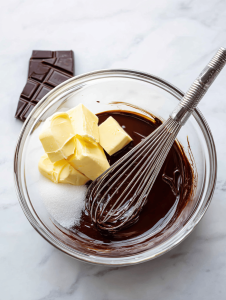
- In a double boiler or microwave, melt the butter and chopped chocolate together. Stir until smooth—smells like rich, warm cocoa. If it’s too thick, warm it gently, don’t overheat.
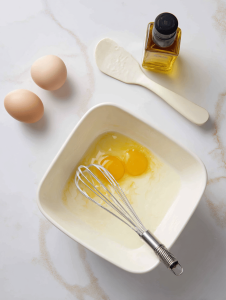
- In a large bowl, whisk eggs, sugars, and vanilla until just combined. The mixture should look glossy and slightly frothy.
- Pour in the melted chocolate-butter mix. Fold gently with a spatula—don’t overmix, or the brownies might be dense.
- Sift in the flour, cocoa powder, and salt. Fold until just combined. The batter will be thick but shiny—like melted fudge.
- Pour batter into the prepared pan. Smooth the top with a spatula, then give the pan a gentle tap to settle the batter evenly.
- Bake for 20-25 minutes. The edges will look set, and the center will still jiggle slightly when nudged. A toothpick inserted in the center should come out with moist crumbs, not wet batter.
- Let cool in the pan on a wire rack for at least 30 minutes. Resting is key—gives the center time to set and develop that fudgy texture.
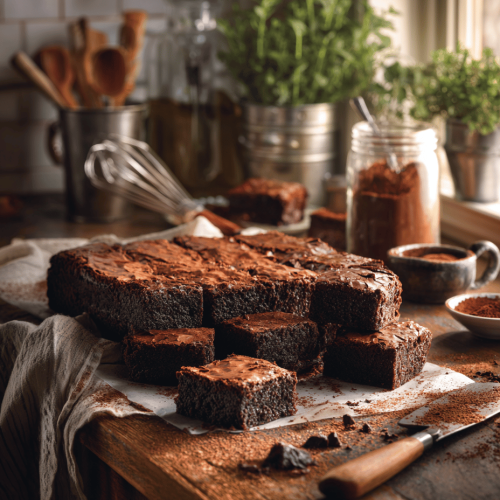
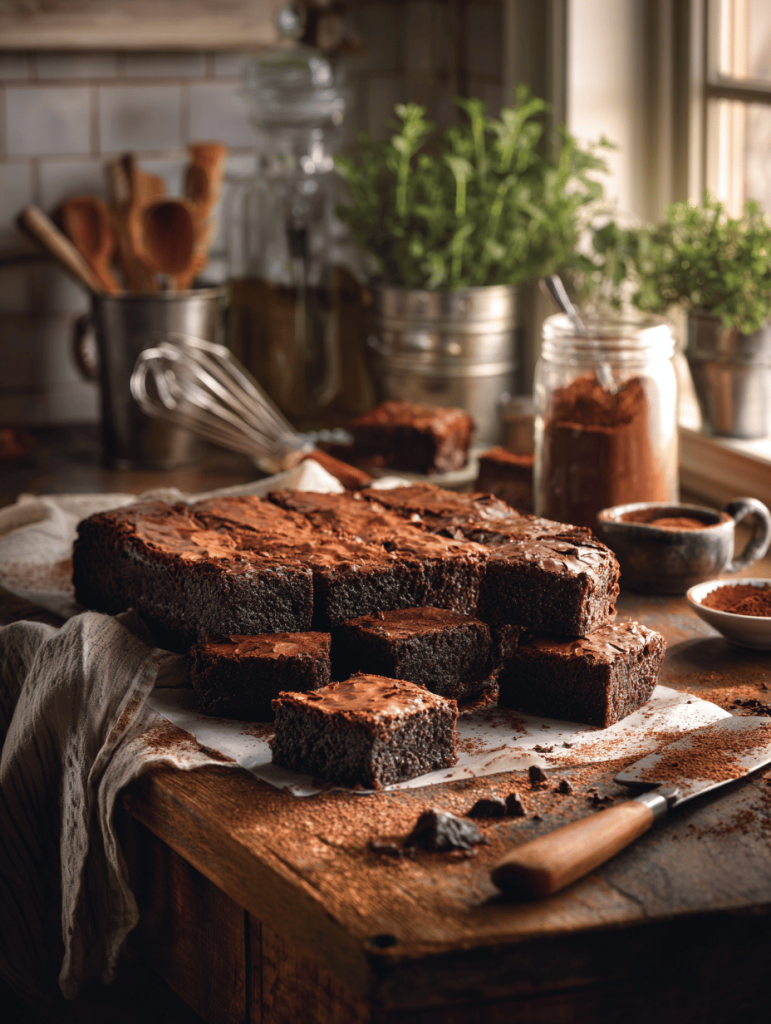
- Once cooled, lift out using the parchment overhang. Slice into squares. The crackly top and dense interior are what you want.
Checkpoints & How to Know It’s Done
- Edges are slightly firm but not brittle.
- The center jiggles just a little but isn’t liquid.
- A skewer inserted in the middle comes out with moist crumbs, not wet batter.
Mistakes and Fixes (And How to Save Your Baked Goods)
- FORGOT to line the pan? Use a hot towel to loosen the edges and carefully lift with a spatula. No pan? Try freezing in small chunks for snacks.
- DUMPED in too much flour? Brush off excess before baking or the brownies will be dense. Next time, measure carefully.
- OVER-TORCHED the edges? Cover with foil and lower the oven temp slightly. The center might still be salvageable—cut away the burnt bits.
- UNDER-BAKED? Return to oven for 3-5 minutes. Keep an eye on the crackly top; it should be shiny and just set.
Quick Kitchen Fixes & Savvy Substitutions
- When the brownies are flat and dense, splash a little more melted chocolate and pop back in the oven for 2 minutes.
- Patch cracked tops with a dusting of powdered sugar or cocoa. Instant upgrade, and hides imperfections.
- Shield the edges with foil if they brown too fast—your oven might run hot.
- If the batter is too thick, stir in a tablespoon of warm water or coffee—amplifies chocolate flavor.
- For a smoky note, toss in a pinch of espresso powder or a dash of smoked salt before baking.