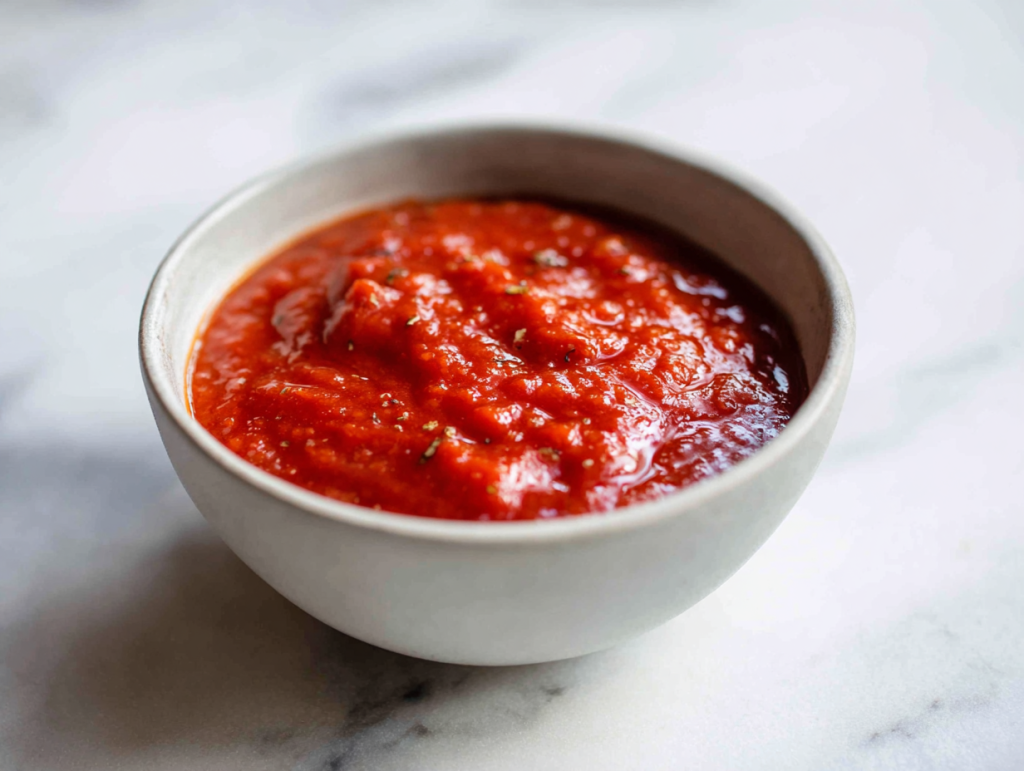
This Homemade Rich Tomato Sauce is a simple yet deeply flavorful recipe that comes together with everyday ingredients and a slow simmer. It’s perfect for pasta nights, quick meals, or as a base for other dishes when you want something comforting and homemade.
The sauce develops a thick, velvety texture with a rich tomato flavor layered with garlic, herbs, and a hint of warmth. It has a balanced taste that’s slightly tangy, savory, and aromatic, making it incredibly versatile.
Why I Love This Recipe
- I love how the aroma of simmering garlic and ripe tomatoes fills the kitchen—it’s pure, honest home.
- There’s a quiet pride in slowly building flavor, turning simple ingredients into something richer than I expected.
- Sometimes chaos reigns (like accidentally burning a clove), but that’s part of the charm—learning as I go.
- It reminds me of my grandmother’s stove, where flavors were built with patience and a pinch of love.
- Most of all, I love how this sauce tastes better the next day, mellowed and layered, like a good story.
Ingredient Breakdown
- Olive oil: I start with a generous splash—fruity and grassy, it’s the base of all good things. Swap for avocado oil if you want a milder start.
- Garlic: I use plenty, chopped fine—its pungency mellows beautifully as it cooks. Skip if you’re sensitive but don’t skip the oil’s aroma.
- Ripe tomatoes: Fresh, crushed by hand. If they’re tart, add a pinch of sugar. Canned San Marzano work well in winter—look for whole, peeled.
- Onion: Finely chopped, it’s the backbone—sweat it out until translucent. No onion? A splash of celery salt can help mimic that sweetness.
- Herbs: Fresh basil and oregano—added at the end for brightness. Dry herbs work here, but fresh gives a lively kick.
- Salt & pepper: Just enough to bring out the natural sweetness. Don’t be shy—taste as you go.
- Red pepper flakes: A pinch adds subtle heat—don’t overdo it unless you want a spicy surprise.
The Step-by-Step Guide
Equipment & Tools
- Heavy-bottomed saucepan—prevents scorching and heats evenly.
- Wooden spoon—stirs gently, avoids scratching the pan.
- Microplane or garlic press—quickly releases garlic’s aroma.
- Knife & chopping board—fine control to dice onions and herbs.
- Blender or immersion blender—if you prefer a smoother sauce, but I like it chunky.
Steps
- Heat a splash of olive oil over medium heat (around 160°C/320°F). Add chopped onion and cook until translucent—about 5 minutes. Smell should turn sweet and slightly caramelized.
- Add garlic—stir for 30 seconds until fragrant, then immediately dump in crushed tomatoes. Be careful; it might splatter. If you see a lot of bubbling, turn down the heat.
- Simmer gently—reduce heat to low (about 90°C/195°F). Let it cook uncovered for 30-40 minutes. Stir occasionally, scraping up browned bits. The sauce should thicken and deepen in color.
- In the last 10 minutes, toss in chopped basil, oregano, and a pinch of chili flakes. Taste and season with salt and pepper. If it’s too acidic, a tiny pinch of sugar balances it out.
- For a chunkier sauce, leave it as is. For smooth, blend briefly with an immersion blender until velvety. Be cautious—hot liquids expand when blended.
Resting & Finishing
Let the sauce sit off-heat for about 10 minutes. It allows flavors to mingle and settle. Drizzle a little extra virgin olive oil before serving for shine and richness. Pair with pasta, grilled bread, or even eggs for a lazy brunch.
How to Know It’s Done
- Probe the sauce—internal temperature should reach 85°C/185°F for optimal flavor integration.
- It should be thick enough to coat the back of a spoon without sliding off.
- The color deepens into a rich crimson, and the aroma is fragrant and inviting.
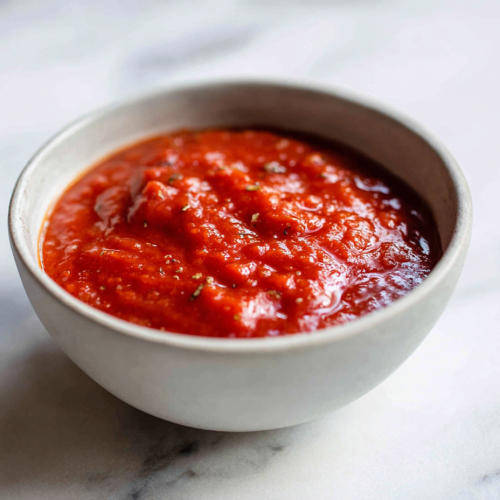
Homemade Rich Tomato Sauce
Equipment
- Heavy-bottomed saucepan
- Wooden spoon
Ingredients
- 3 tablespoons olive oil preferably fruity and grassy
- 1 medium onion finely chopped
- 4 cloves garlic minced or finely chopped
- 28 ounces crushed tomatoes fresh or canned, whole or peeled
- 1 teaspoon dried oregano or fresh oregano, chopped
- 1 bunch fresh basil chopped, added at the end
- to taste salt start with a teaspoon and adjust
- to taste black pepper freshly ground
- pinch red pepper flakes red pepper flakes optional, for subtle heat
Instructions
- Heat the olive oil in a heavy-bottomed saucepan over medium heat until it shimmers and begins to gently smoke.
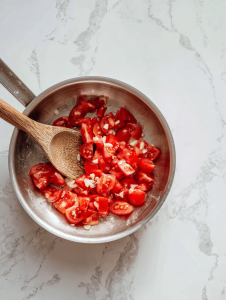
- Add the finely chopped onion to the pan and cook, stirring occasionally, until it becomes translucent and slightly golden, about 5 minutes. The aroma should turn sweet and inviting.
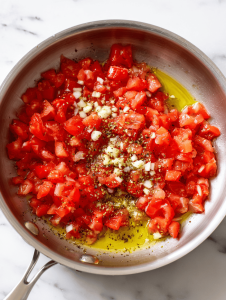
- Add the minced garlic to the onions and cook for about 30 seconds, stirring constantly, until fragrant. Be careful not to burn it; you’ll notice a rich aroma filling the kitchen.
- Pour in the crushed tomatoes, scraping up any browned bits from the bottom of the pan to incorporate all those flavorful bits. The sauce will start bubbling and release a fragrant tomato smell.
- Reduce the heat to low and let the sauce simmer uncovered, stirring occasionally, for about 30 to 40 minutes. It will thicken, deepen in color, and develop a rich aroma as the flavors meld.
- In the last 10 minutes, stir in chopped fresh basil, dried oregano, and a pinch of red pepper flakes for a subtle heat. Taste the sauce and season with salt and freshly ground black pepper as needed, adjusting until balanced.
- If you prefer a smooth sauce, briefly blend it with an immersion blender until velvety, taking care to avoid splashing hot liquid. For a chunkier texture, leave it as is.
- Remove the sauce from heat and let it rest for about 10 minutes to let the flavors settle and deepen. Finish with a drizzle of good-quality olive oil for shine and richness.
- Serve the sauce warm over your favorite pasta, grilled bread, or even eggs for a hearty brunch. Enjoy the rich, layered flavors and the comforting aroma that fills your kitchen.
Mistakes and Fixes—Don’t Sweat the Small Stuff
- FORGOT to add salt early? Add a pinch now—taste for balance before serving.
- DUMPED too much water? Simmer uncovered longer—evaporates excess moisture.
- OVER-TORCHED the garlic? Drop the heat and stir in a splash of water or broth to cool it down.
- SEASONS too bland? Stir in more fresh herbs or a splash of balsamic vinegar for depth.
Quick Kitchen Fixes
- When your sauce is too acidic, stir in a tiny pinch of sugar or grated carrot for natural sweetness.
- If it’s too thick, splash in warm water or broth, then stir gently to loosen it up.
- Splash a little more olive oil if the sauce feels dull or too thick—shimmer and richness boost.
- Patch over burnt bits with a spoonful of tomato paste—adds depth and masks the mistake.
- If the aroma turns bitter, simmer a few more minutes with a fresh basil sprig to freshen the scent.
This sauce isn’t just about making dinner—it’s about reclaiming the slow, messy, delicious process of turning simple ingredients into something memorable. It’s the kind of thing that tastes even better when you’re not rushing, letting flavors develop naturally. No matter how many times I make it, it’s always a little different—sometimes smokier, sometimes sweeter—and that’s the beauty of it.