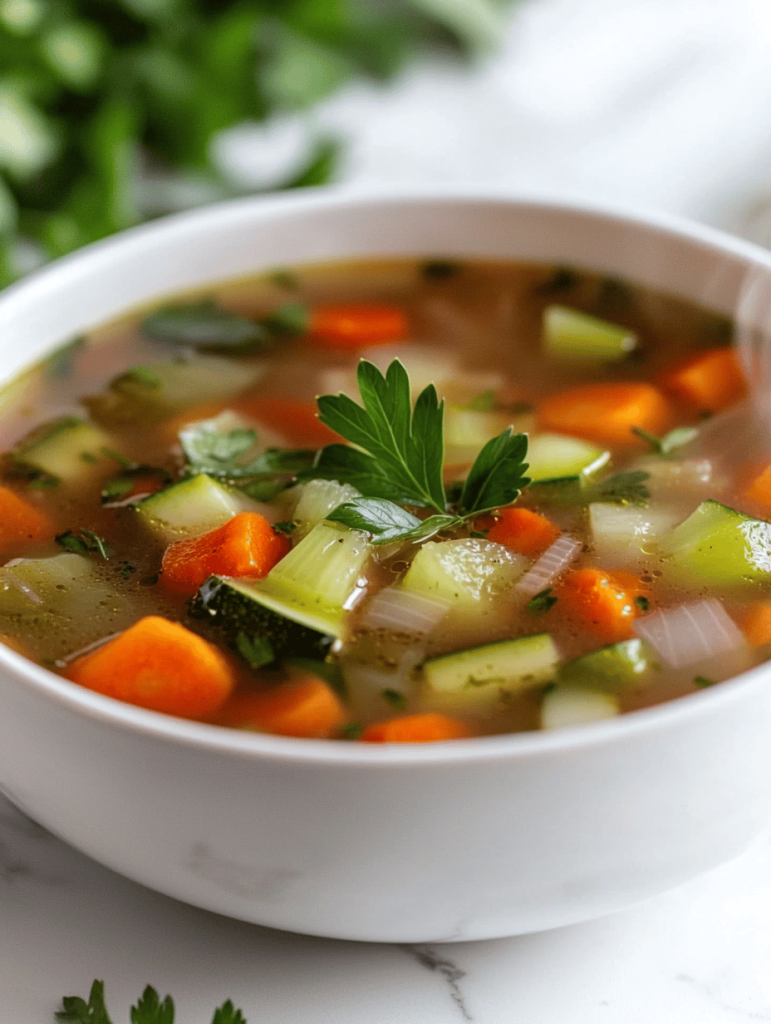
Vegetable Scrap Soup is a practical way to turn everyday vegetable scraps into a flavorful homemade broth. Onion skins, squash peels, kale stems, and other vegetable trimmings are roasted and simmered to create a rich soup that makes the most of ingredients that might otherwise go to waste.
Roasting the scraps first adds depth and complexity, while onions, garlic, and broth create a comforting base. The result is a rustic soup with a surprisingly rich flavor and a beautiful golden color.
Why This Recipe Works So Well
Roasting vegetable scraps before simmering helps unlock deeper flavors and creates a broth with remarkable richness. It’s a simple, waste-conscious recipe that transforms everyday kitchen leftovers into a warm and nourishing bowl of soup.
Ingredient Highlights
- Vegetable Scraps: Onion skins, squash peels, kale stems, carrot peels, and celery tops all add flavor.
- Olive Oil: Helps the scraps caramelize during roasting.
- Onion: Creates a flavorful foundation for the broth.
- Garlic: Adds savory depth and aroma.
- Vegetable Broth: Enhances the roasted vegetable flavors.
- Salt and Pepper: Help balance and brighten the finished soup.
Vegetable Scrap Soup
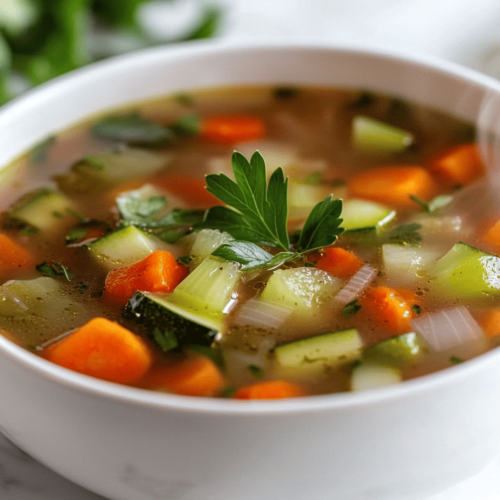
This vegetable scrap soup uses flavorful roasted vegetable peels and tops, such as onion skins and squash peels, which are simmered to create a rich, layered broth. The soup results in a hearty, slightly thickened dish with a comforting, rustic appearance, showcasing the depth of homemade, waste-reduced nourishment.
Equipment
- Baking sheet
- Large pot
- Fine mesh sieve
Ingredients
- 2 cups vegetable scraps (onion skins, squash peels, kale stems, etc.) assorted household vegetable peels and tops
- 1 tbsp olive oil for roasting
- 1 large onion roughly chopped
- 2 cloves garlic minced
- 4 cups vegetable broth homemade or store-bought
- to taste salt and pepper
Instructions
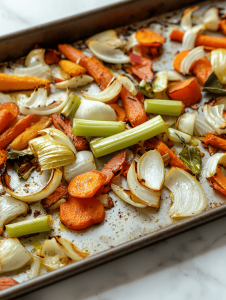
- Preheat your oven to 400°F (200°C). Spread the vegetable scraps evenly on a baking sheet, drizzle with olive oil, and toss to coat. Roast for 20-25 minutes until they are fragrant and slightly caramelized, filling your kitchen with a warm, savory aroma.
- Meanwhile, chop the onion into rough chunks and mince the garlic. In a large pot, heat a small splash of oil over medium heat and sauté the onion and garlic until they soften and become fragrant, about 5 minutes. This builds a flavorful base for your soup.
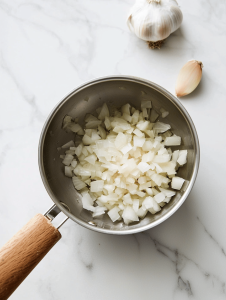
- Once the scraps are roasted, add them to the pot along with the sautéed onions and garlic. Pour in the vegetable broth, ensuring the scraps are submerged. Bring the mixture to a gentle boil, then reduce the heat to low and let it simmer uncovered for 20-25 minutes. This simmering allows the flavors from the peels and tops to infuse into the broth.
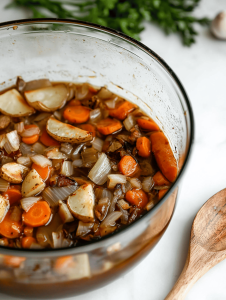
- After simmering, turn off the heat and carefully strain the soup through a fine mesh sieve into a large bowl or another pot, pressing gently on the scraps to extract all the flavor. Discard the solids and return the clear broth to the pot.
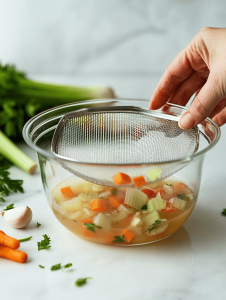
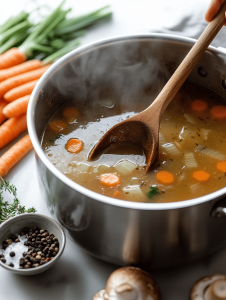
- Taste the broth and season with salt and pepper as needed. Warm the soup over low heat until hot, then ladle into bowls. The soup should have a rich, aromatic color with a slightly rustic texture, perfect for cozy autumn meals.
Notes
Use a fine mesh sieve to ensure a smooth broth without peels, and control heat during roasting to prevent burning. Adjust seasoning as preferred, and feel free to add a splash of lemon juice or soy sauce for extra depth.
Nutrition Information
| Nutrient | Amount Per Serving |
|---|---|
| Calories | 120 |
| Carbohydrates | 12g |
| Protein | 3g |
| Fat | 7g |
| Fiber | 2g |
| Sugar | 4g |
| Sodium | 320mg |
Common Mistakes to Avoid
- Using Dirty Vegetable Scraps: Always wash scraps thoroughly before using.
- Burning the Scraps: Over-roasted scraps can make the broth bitter.
- Skipping the Roasting Step: Roasting develops much deeper flavor.
- Boiling Too Aggressively: A gentle simmer creates a cleaner-tasting broth.
- Using Spoiled Vegetables: Only use fresh scraps.
- Forgetting to Strain Thoroughly: Straining creates a smoother finished soup.
Storage & Make-Ahead Guide
- Collect Scraps Ahead: Freeze vegetable scraps until needed.
- Refrigerate Leftovers: Store for up to 4 days.
- Freeze Portions: Freeze for up to 3 months.
- Reheat Gently: Warm over medium-low heat.
- Stir Before Serving: Mix well after reheating.
More Easy & Delicious Soup Recipes
- Turkey Chili Recipe
- Crockpot Vegetable Soup Recipe
- Slow Cooker Pumpkin Soup Recipe
- Turkey Chili with Sweet Potatoes Recipe
Flavor Variations Worth Trying
- Herb Broth Version: Add thyme, parsley, or rosemary while simmering.
- Mushroom Scrap Soup: Include mushroom stems for extra depth.
- Ginger Vegetable Broth: Add fresh ginger slices during simmering.
- Lemon Herb Soup: Finish with fresh lemon juice.
- Spiced Vegetable Soup: Add a pinch of smoked paprika.
- Asian-Inspired Broth: Add a splash of soy sauce and green onions.
- Roasted Garlic Version: Roast the garlic with the scraps.
Frequently Asked Questions
- What vegetable scraps work best for this soup?
Onion skins, carrot peels, celery tops, squash peels, and kale stems are excellent choices. - Which scraps should I avoid using?
Avoid spoiled vegetables and large amounts of bitter scraps such as cabbage cores or broccoli leaves. - Why are the scraps roasted first?
Roasting enhances flavor and adds depth to the broth. - Can I freeze vegetable scraps until I have enough?
Yes, storing scraps in the freezer is a great way to build up ingredients for this soup. - Is this soup meant to be clear or thick?
It is traditionally a light, broth-based soup with a rustic appearance. - Can I add cooked vegetables back into the soup?
Yes, adding diced cooked vegetables can make it more substantial if desired.