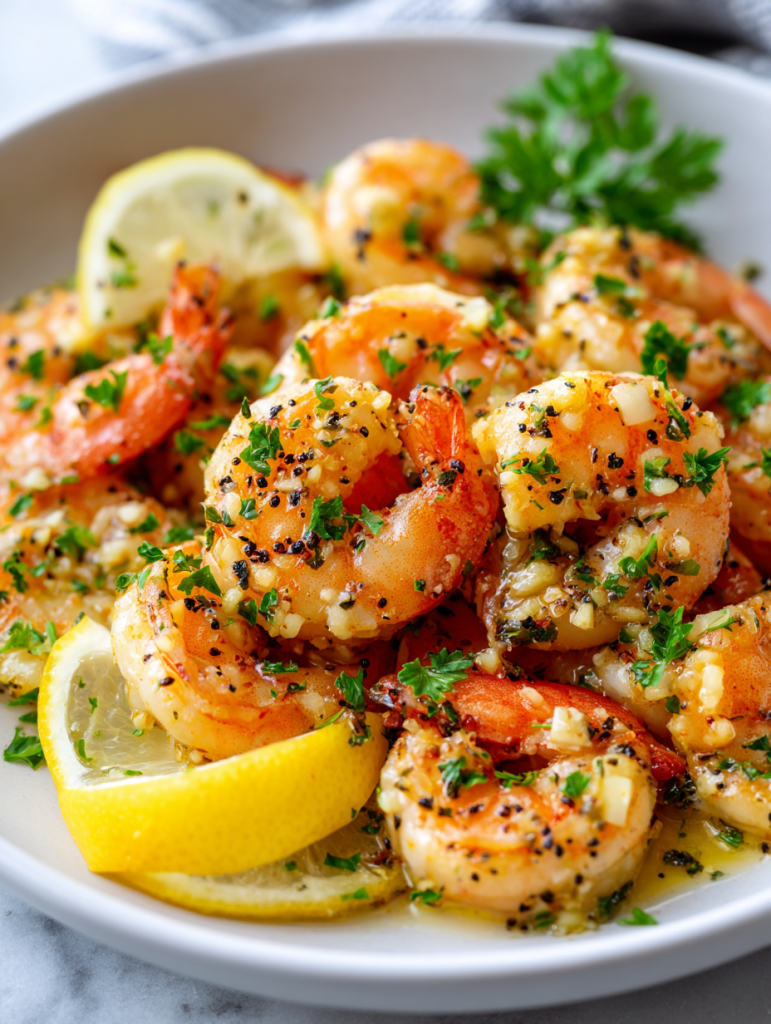
Some meals feel like they instantly bring a sense of freshness to the table, and this keto lemon garlic shrimp is one of those recipes I keep coming back to.
I usually make it when I want something quick yet full of lively flavor, especially on evenings when heavier dishes don’t appeal. The gentle sizzle of garlic in olive oil followed by the bright citrus aroma of lemon always makes the kitchen feel calm and welcoming.
What I love most is how quickly the shrimp cook, transforming into tender, pink bites coated in a silky, citrusy sauce. It’s a light but satisfying meal that pairs beautifully with simple greens or cauliflower rice.
Behind the Recipe
This dish grew out of my preference for meals that feel both vibrant and uncomplicated. Shrimp naturally cook fast, making them perfect for building a flavorful skillet dish without long preparation or complex techniques.
Why You’ll Love This Recipe
- Quick Cooking Time: Shrimp cook in minutes, making this ideal for busy days.
- Bright Citrus Flavor: Lemon adds freshness and balance.
- Light Yet Satisfying: High protein content keeps the dish filling without heaviness.
- Low-Carb Friendly: Perfect for keto or balanced meal plans.
- Silky Garlic Sauce: Olive oil and lemon create a glossy finish.
- Minimal Ingredient List: Easy pantry staples come together effortlessly.
- Versatile Serving Options: Works with greens, vegetables, or keto grains.
- Fresh Herbal Garnish: Parsley or basil enhances aroma and color.
Chef’s Pro Tips for Perfect Results
- Dry Shrimp Thoroughly: Prevents steaming and encourages proper searing.
- Cook in a Single Layer: Ensures even browning and texture.
- Avoid Overcooking: Shrimp turn firm quickly and can become rubbery.
- Add Lemon Toward the End: Preserves bright citrus notes.
- Finish with Fresh Herbs: Enhances both flavor and presentation.
Kitchen Tools You’ll Need
- Large skillet
- Sharp knife
- Cutting board
- Citrus juicer
- Spatula
Ingredients in This Recipe
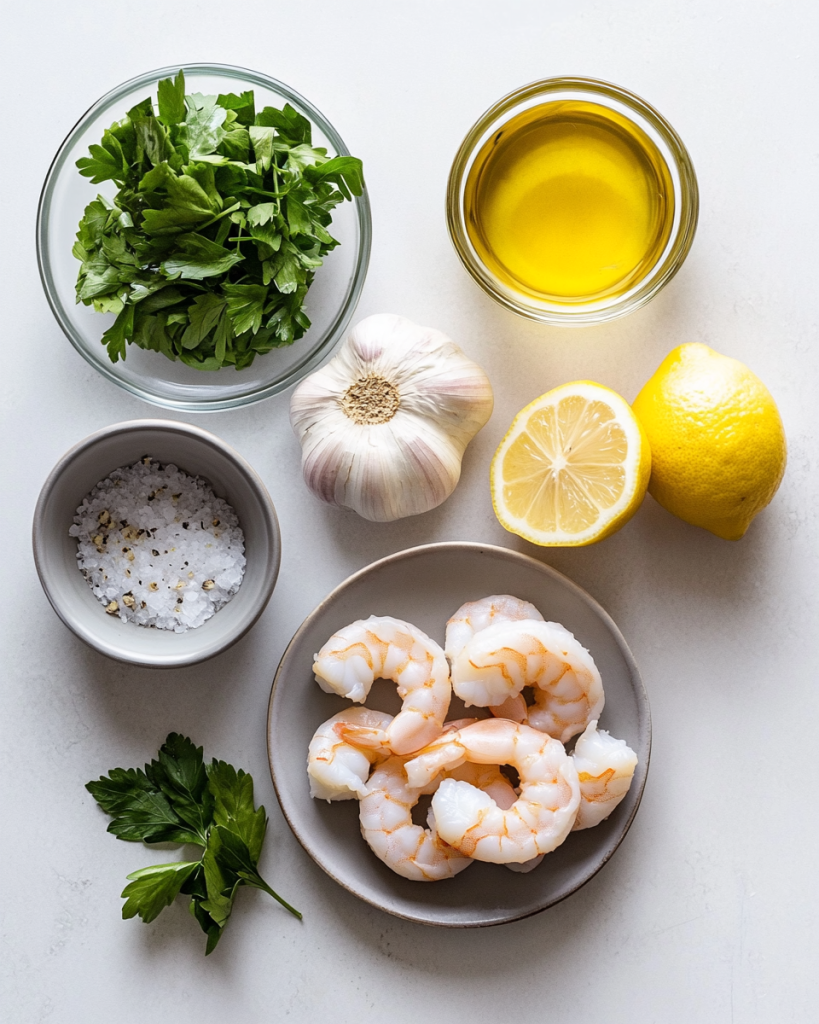
- 1 lb pound shrimp, deveined and peeled preferably wild-caught
- 2 cloves garlic fresh, minced
- 1 large lemon for juice and zest
- 2 tablespoons olive oil extra virgin preferred
- 2 tablespoons lemon juice freshly squeezed
- 2 tablespoons fresh parsley or basil chopped finely, for garnish
- to taste salt and pepper season generously
- a pinch red pepper flakes optional, for heat
Ingredient Substitutions
- Shrimp → Scallops: Offers similar delicate texture and quick cooking.
- Olive Oil → Butter or Ghee: Adds richer flavor depth.
- Parsley → Cilantro or Chives: Creates a different herbal profile.
- Red Pepper Flakes → Paprika: Provides mild warmth without spice.
Ingredient Spotlight
- Shrimp: Known for their naturally sweet flavor and quick cooking time.
- Lemon: Enhances seafood brightness and balances oil richness.
Instructions for Making This Recipe
- Thaw the shrimp if frozen, then pat dry thoroughly with paper towels to remove excess moisture. Prepare your garlic by mincing it finely, and zest your lemon with a microplane, then juice about half for the sauce.
- Heat the olive oil in a large skillet over medium heat until shimmering and just starting to ripple. Add the minced garlic and cook for about 30 seconds until fragrant, making sure it doesn’t brown or burn.
- Place the shrimp in a single layer in the skillet. Cook for about 2-3 minutes, then flip them over. Continue cooking until they turn pink and opaque, feeling firm to the touch. The edges may curl slightly, signaling they’re nearly done.
- Pour in the freshly squeezed lemon juice, scraping the bottom of the pan to loosen any tasty browned bits. Add a pinch of red pepper flakes, then season with salt and freshly cracked pepper to taste. Cook for another minute until the sauce slightly thickens and coats the shrimp beautifully.
- Remove the skillet from the heat and sprinkle the chopped herbs over the shrimp. The fresh herbs will add a bright, herbal aroma that complements the citrus and garlic perfectly.
- Serve the lemon garlic shrimp immediately, spooned over cauliflower rice, greens, or enjoyed straight from the pan. Garnish with additional lemon zest and herbs if desired for an extra burst of freshness.
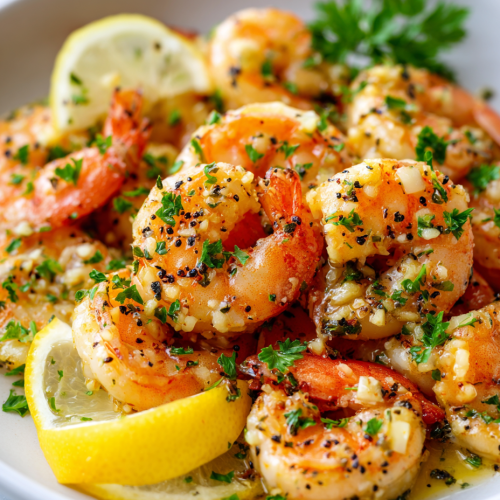
Keto Lemon Garlic Shrimp
Equipment
- Large skillet
- Sharp knife
- Cutting board
- Citrus juicer
- Spatula
Ingredients
- 1 lb pound shrimp, deveined and peeled preferably wild-caught
- 2 cloves garlic fresh, minced
- 1 large lemon for juice and zest
- 2 tablespoons olive oil extra virgin preferred
- 2 tablespoons lemon juice freshly squeezed
- 2 tablespoons fresh parsley or basil chopped finely, for garnish
- to taste salt and pepper season generously
- a pinch red pepper flakes optional, for heat
Instructions
- Thaw the shrimp if frozen, then pat dry thoroughly with paper towels to remove excess moisture. Prepare your garlic by mincing it finely, and zest your lemon with a microplane, then juice about half for the sauce.
- Heat the olive oil in a large skillet over medium heat until shimmering and just starting to ripple. Add the minced garlic and cook for about 30 seconds until fragrant, making sure it doesn’t brown or burn.
- Place the shrimp in a single layer in the skillet. Cook for about 2-3 minutes, then flip them over. Continue cooking until they turn pink and opaque, feeling firm to the touch. The edges may curl slightly, signaling they’re nearly done.
- Pour in the freshly squeezed lemon juice, scraping the bottom of the pan to loosen any tasty browned bits. Add a pinch of red pepper flakes, then season with salt and freshly cracked pepper to taste. Cook for another minute until the sauce slightly thickens and coats the shrimp beautifully.
- Remove the skillet from the heat and sprinkle the chopped herbs over the shrimp. The fresh herbs will add a bright, herbal aroma that complements the citrus and garlic perfectly.
- Serve the lemon garlic shrimp immediately, spooned over cauliflower rice, greens, or enjoyed straight from the pan. Garnish with additional lemon zest and herbs if desired for an extra burst of freshness.
Texture & Flavor Secrets
- Short Cooking Window: Keeps shrimp tender and juicy.
- Balanced Oil and Citrus: Creates a silky yet fresh sauce.
- Gentle Garlic Infusion: Adds depth without overpowering seafood.
Cooking Tips & Tricks
- Use Medium Heat Control: Prevents burning garlic.
- Choose Similar Shrimp Sizes: Ensures even cooking.
- Taste Sauce Before Serving: Adjust seasoning as needed.
What to Avoid
- Overcrowding the Pan: Leads to steaming instead of searing.
- Cooking Too Long: Results in tough, rubbery shrimp.
- Adding Lemon Too Early: Can interrupt browning process.
Nutrition Facts (Approximate per serving)
| Nutrient | Amount per Serving |
|---|---|
| Calories | 250 |
| Carbohydrates | 3g |
| Protein | 30g |
| Fat | 12g |
| Fiber | 0g |
| Net Carbs | 3g |
Preparation Time
- Prep Time: 10 minutes
- Cook Time: 8 minutes
- Total Time: 18 minutes
Make-Ahead and Storage Tips
- Store cooked shrimp in an airtight container for up to 2 days.
- Reheat gently in a skillet over low heat.
- Add a splash of lemon or broth to refresh the sauce.
How to Serve This Dish
- Spoon over cauliflower rice for a keto-friendly meal.
- Serve with sautéed greens like spinach or zucchini.
- Pair with a crisp cucumber salad for contrast.
Creative Leftover Transformations
- Toss into a light shrimp salad with leafy greens.
- Add to lettuce wraps with extra lemon drizzle.
- Mix into a quick vegetable stir fry bowl.
Additional Tips
- Finish with lemon zest just before serving for aroma.
- Add chili oil for a spicier variation.
- Garnish with extra herbs for a fresh visual touch.
Make It a Showstopper
Serve the glossy lemon garlic shrimp on a wide white platter, letting the citrusy sauce pool slightly around the edges. Scatter finely chopped herbs and delicate lemon slices across the top to create a bright, elegant presentation that feels fresh and inviting.
Variations to Try
- Add butter to create a richer lemon garlic sauce.
- Include asparagus pieces for extra texture and color.
- Sprinkle toasted almonds for subtle crunch.
- Add grated parmesan for a savory fusion twist.
- Finish with fresh chili slices for bold heat.
FAQ’s
- Can I grill shrimp instead: Yes, then toss with lemon garlic sauce.
- Can I use frozen shrimp: Yes, thaw completely and pat dry first.
- How do I know shrimp are cooked: They turn pink, opaque, and slightly curled.
- Can I make this dairy-free: This recipe is naturally dairy-free.
- What herbs work best: Parsley, basil, or cilantro complement the flavor.
- Can I meal prep this dish: Yes, store portions and reheat gently.
- Why cook shrimp quickly: Overcooking makes them rubbery.
- Can I add vegetables to the skillet: Yes, zucchini or bell peppers work well.
- Is bottled lemon juice okay: Fresh juice provides brighter flavor.
- What sides pair best: Light salads or roasted vegetables.