Some dinners call for something light, clean, and quick — the kind of meal that leaves you feeling satisfied without being overly full. This keto lemon dill fish is exactly that kind of recipe in my kitchen.
I often make it when I want a fresh protein option that doesn’t require much prep or heavy seasoning. The moment the fish hits the hot skillet and starts to sizzle, followed by the gentle citrus and herb aroma from lemon and dill, the whole cooking process feels calm and effortless.
It’s the kind of dish I enjoy on quiet evenings, served with simple sautéed vegetables or a crisp salad.
Behind the Recipe
This recipe was inspired by my love for delicate seafood dishes that highlight natural flavors rather than masking them. Lemon and dill felt like the perfect pairing to keep the dish bright, aromatic, and uncomplicated.
Why You’ll Love This Recipe
- Light Yet Satisfying: Perfect for balanced low-carb meals.
- Fresh Herbal Flavor: Dill adds a gentle aromatic brightness.
- Quick Cooking Time: Ready in under 20 minutes.
- Flaky Tender Texture: Proper searing keeps fish moist inside.
- Simple Ingredient List: Easy pantry staples create vibrant flavor.
- Naturally Keto Friendly: High protein with minimal carbohydrates.
- Clean Citrus Finish: Lemon enhances freshness and depth.
- Elegant Yet Effortless: Looks refined with minimal effort.
Chef’s Pro Tips for Perfect Results
- Dry Fish Thoroughly: Ensures a crisp, golden surface.
- Use Medium-High Heat: Encourages quick searing without overcooking.
- Flip Gently: Prevents delicate fillets from breaking.
- Add Lemon Mixture Late: Maintains bright aroma and prevents bitterness.
- Let Fish Rest Briefly: Helps retain natural juices.
Kitchen Tools You’ll Need
- Non-stick skillet
- Fish spatula
- Small bowl
- Sharp knife
- Paper towels
Ingredients in This Recipe
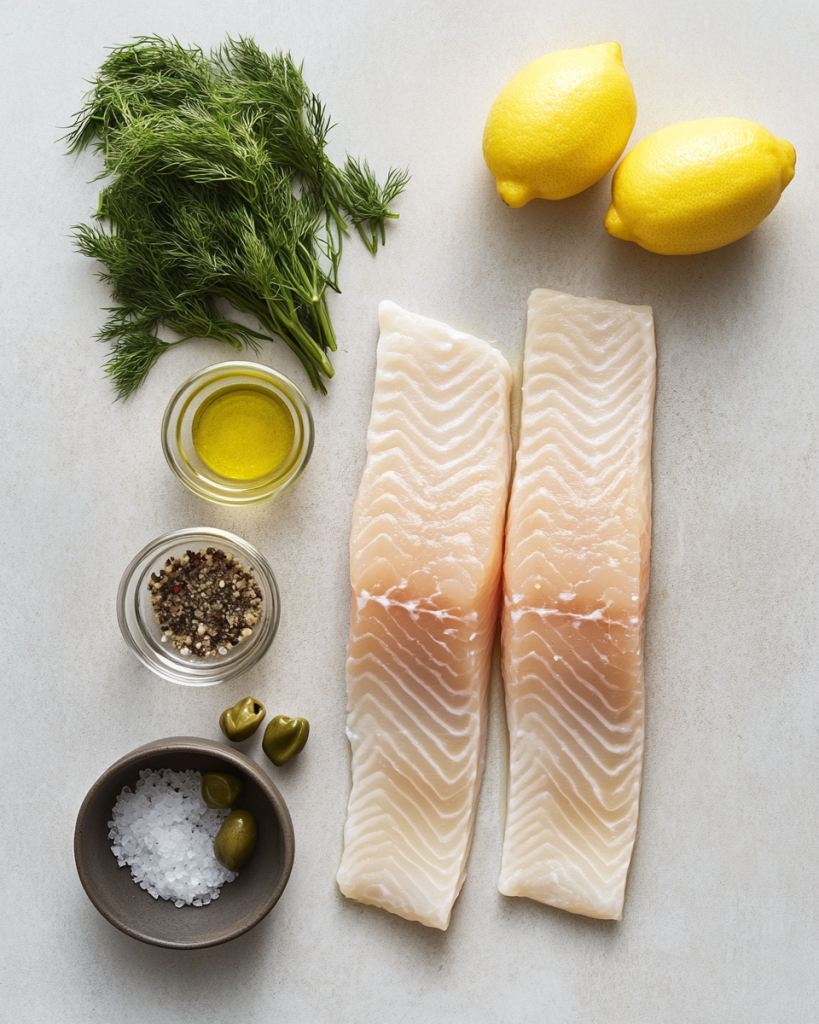
- 2 fillets white fish fillets (cod, haddock, or salmon) pat dry
- 2 tablespoons fresh lemon juice about 1 lemon
- 1 clove garlic minced
- 2 tablespoons fresh dill, chopped
- 1-2 tablespoons olive oil extra virgin preferred
- to taste salt and pepper
- 1-2 tablespoons capers optional
Ingredient Substitutions
- Dill → Parsley or Chives: Offers a softer herbal profile.
- Olive Oil → Avocado Oil: Suitable for higher heat cooking.
- White Fish → Trout: Similar delicate texture and flavor.
- Capers → Green Olives: Adds mild salty tang.
Ingredient Spotlight
- Fresh Dill: Known for its bright, grassy aroma that pairs beautifully with seafood.
- Lemon Juice: Enhances natural sweetness of fish while cutting through oiliness.
Instructions for Making This Recipe
- Pat the fish fillets dry thoroughly with paper towels to ensure a good sear. Season both sides generously with salt and pepper, pressing lightly to adhere.
- In the small bowl, whisk together the freshly squeezed lemon juice, minced garlic, and chopped dill. This fragrant mixture will be drizzled over the fish at the end.
- Heat the olive oil in the non-stick skillet over medium-high heat until shimmering and hot, with a gentle sizzle when the fish is added.
- Carefully place the fish fillets in the skillet, skin-side down if applicable. Let cook undisturbed for about 3-4 minutes, until the edges turn golden and the fish releases easily from the pan.
- Flip the fillets gently with a fish spatula, then cook for another 2-3 minutes until the fish is opaque and flakes easily with a fork. The surface should be lightly crisped and golden.
- Pour the lemon dill mixture over the fish in the last minute of cooking, allowing it to sizzle and infuse the fillets with bright herbal aroma.
- Gently transfer the cooked fish onto plates, allowing it to rest for a minute. This helps the juices settle and keeps the fish tender.
- Squeeze additional fresh lemon over the fillets and sprinkle with extra dill or capers if desired. Serve immediately with your favorite sides.
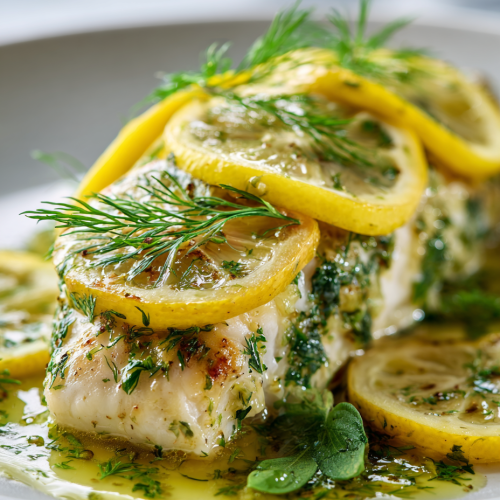
Keto Lemon Dill Fish
Equipment
- Non-stick skillet
- Fish spatula
- Small bowl
- Sharp knife
- Paper towels
Ingredients
- 2 fillets white fish fillets (cod, haddock, or salmon) pat dry
- 2 tablespoons fresh lemon juice about 1 lemon
- 1 clove garlic minced
- 2 tablespoons fresh dill, chopped
- 1-2 tablespoons olive oil extra virgin preferred
- to taste salt and pepper
- 1-2 tablespoons capers optional
Instructions
- Pat the fish fillets dry thoroughly with paper towels to ensure a good sear. Season both sides generously with salt and pepper, pressing lightly to adhere.
- In the small bowl, whisk together the freshly squeezed lemon juice, minced garlic, and chopped dill. This fragrant mixture will be drizzled over the fish at the end.
- Heat the olive oil in the non-stick skillet over medium-high heat until shimmering and hot, with a gentle sizzle when the fish is added.
- Carefully place the fish fillets in the skillet, skin-side down if applicable. Let cook undisturbed for about 3-4 minutes, until the edges turn golden and the fish releases easily from the pan.
- Flip the fillets gently with a fish spatula, then cook for another 2-3 minutes until the fish is opaque and flakes easily with a fork. The surface should be lightly crisped and golden.
- Pour the lemon dill mixture over the fish in the last minute of cooking, allowing it to sizzle and infuse the fillets with bright herbal aroma.
- Gently transfer the cooked fish onto plates, allowing it to rest for a minute. This helps the juices settle and keeps the fish tender.
- Squeeze additional fresh lemon over the fillets and sprinkle with extra dill or capers if desired. Serve immediately with your favorite sides.
Texture & Flavor Secrets
- Quick High-Heat Sear: Creates a delicate crisp exterior.
- Herb-Citrus Balance: Prevents the dish from tasting heavy.
- Short Cooking Duration: Maintains flaky, moist interior.
Cooking Tips & Tricks
- Choose Even Fillet Thickness: Promotes consistent doneness.
- Use Fresh Herbs Only: Dried dill lacks vibrant aroma.
- Taste Before Serving: Adjust citrus or seasoning as needed.
What to Avoid
- Overcrowding the Skillet: Leads to steaming rather than browning.
- Overcooking Fish: Causes dryness and crumbly texture.
- Adding Lemon Too Early: Can hinder proper searing.
Nutrition Facts (Approximate per serving)
| Nutrient | Amount per Serving |
|---|---|
| Calories | 250 |
| Carbohydrates | 2g |
| Protein | 28g |
| Fat | 14g |
| Fiber | 0g |
| Net Carbs | 2g |
Preparation Time
- Prep Time: 10 minutes
- Cook Time: 8 minutes
- Total Time: 18 minutes
Make-Ahead and Storage Tips
- Store cooked fish in an airtight container for up to 2 days.
- Reheat gently in a covered skillet over low heat.
- Add a splash of lemon or broth to maintain moisture.
How to Serve This Dish
- Pair with sautéed zucchini or asparagus.
- Serve over cauliflower rice for a keto plate.
- Add a crisp cucumber salad for refreshing contrast.
Creative Leftover Transformations
- Flake fish into lettuce wraps with extra dill sauce.
- Toss into a light seafood salad with greens.
- Add to keto bowls with roasted vegetables.
Additional Tips
- Finish with lemon zest just before serving for aroma.
- Add chili flakes for gentle spice variation.
- Use sea salt flakes for final texture contrast.
Make It a Showstopper
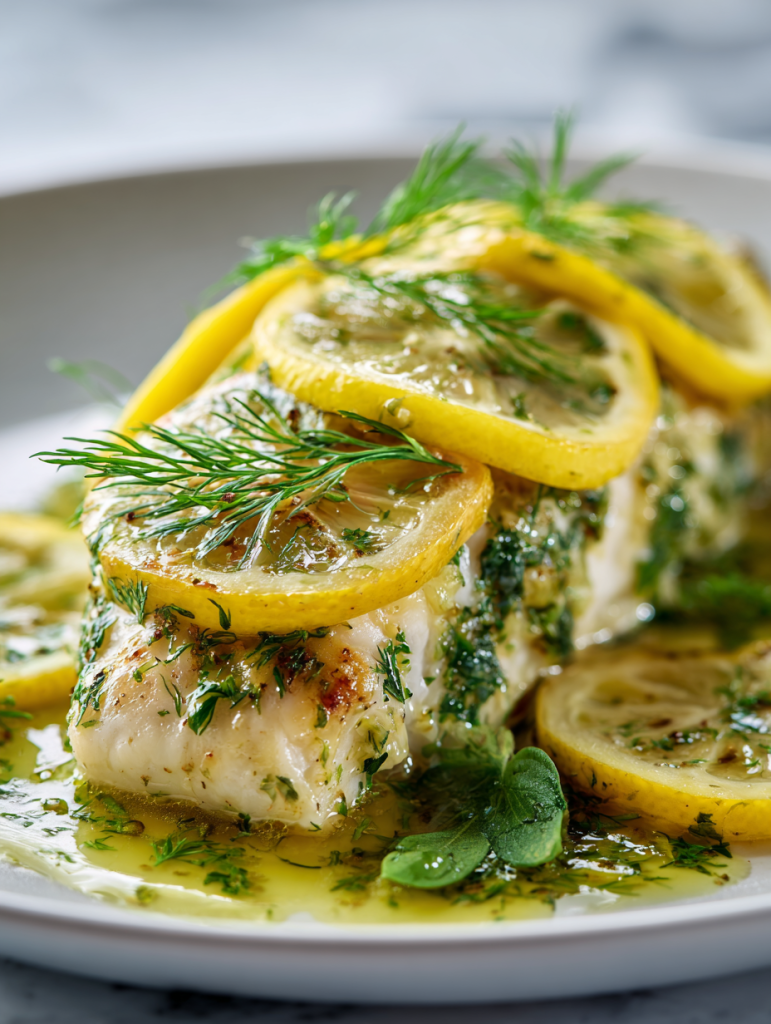
Serve the lemon dill fish on a wide white platter with delicate sprigs of fresh dill and thin lemon slices arranged around the fillets. A final drizzle of the glossy pan juices adds shine and makes the dish look effortlessly elegant.
Variations to Try
- Add butter to the pan for a richer lemon dill sauce.
- Include spinach for extra greens and texture.
- Sprinkle toasted almonds for subtle crunch.
- Add garlic chili oil for a spicier twist.
- Finish with grated parmesan for a savory fusion touch.
FAQ’s
- What herbs work besides dill: Chives, basil, or thyme work nicely.
- Can I use frozen fish fillets: Yes, thaw fully and pat dry before cooking.
- How do I know fish is done: It should flake easily with a fork.
- Is dill necessary: It adds freshness but parsley can be substituted.
- Can I bake instead of pan sear: Yes, bake then finish with lemon sauce.
- Why rest fish briefly after cooking: Helps retain moisture and tenderness.
- Can I make this dairy-free: The recipe is naturally dairy-free.
- What sides pair best: Light vegetables or salads complement it well.
- Can I add more lemon: Adjust according to taste preference.
- Is this suitable for meal prep: Yes, store portions and reheat gently.