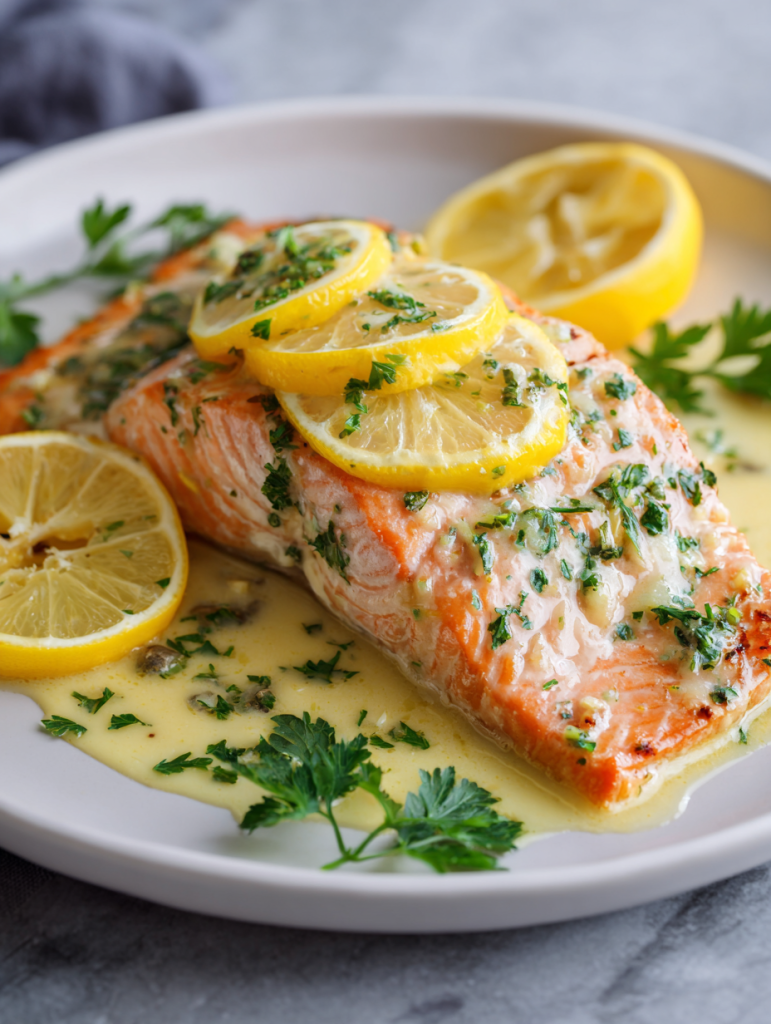
There are evenings when I crave something that feels nourishing yet still a little special, and this keto lemon butter salmon is exactly what I turn to. It’s one of those meals that looks impressive on the plate but is surprisingly simple to cook.
The gentle sizzle of salmon hitting a hot skillet, followed by the warm aroma of melting butter and fresh lemon, always makes the kitchen feel calm and inviting. I often prepare this dish when I want a quick dinner that doesn’t rely on heavy sauces or complicated steps.
Served with sautéed greens or a light salad, it becomes a balanced, comforting meal that feels both fresh and satisfying.
Behind the Recipe
This recipe developed from my habit of keeping salmon fillets ready in the refrigerator for busy days. I discovered that a simple lemon butter glaze could transform everyday pan-seared fish into something that feels thoughtfully prepared while still being effortless.
Why You’ll Love This Recipe
- Rich Yet Fresh Flavor: Butter adds depth while lemon keeps the dish bright.
- Crispy Skin Texture: Proper searing creates a satisfying contrast.
- Quick Cooking Process: Perfect for weeknight dinners or light lunches.
- Low-Carb Friendly: Fits easily into keto or high-protein plans.
- Elegant Presentation: Glossy sauce makes the salmon visually appealing.
- Moist Flaky Interior: Resting and gentle cooking preserve tenderness.
- Minimal Ingredients Needed: Simple staples deliver balanced flavor.
- Versatile Pairing Options: Complements vegetables, salads, or keto grains.
Chef’s Pro Tips for Perfect Results
- Pat Fillets Completely Dry: Ensures the skin crisps instead of steaming.
- Use Medium Heat Control: Too high heat can burn butter and garlic.
- Press Salmon Lightly at First: Helps the skin stay flat for even browning.
- Flip Only Once: Prevents breaking delicate flesh.
- Spoon Sauce Continuously: Keeps fish moist and glossy.
Kitchen Tools You’ll Need
- Skillet
- Spatula
- Small bowl
- Spoon
- Plate
Ingredients in This Recipe
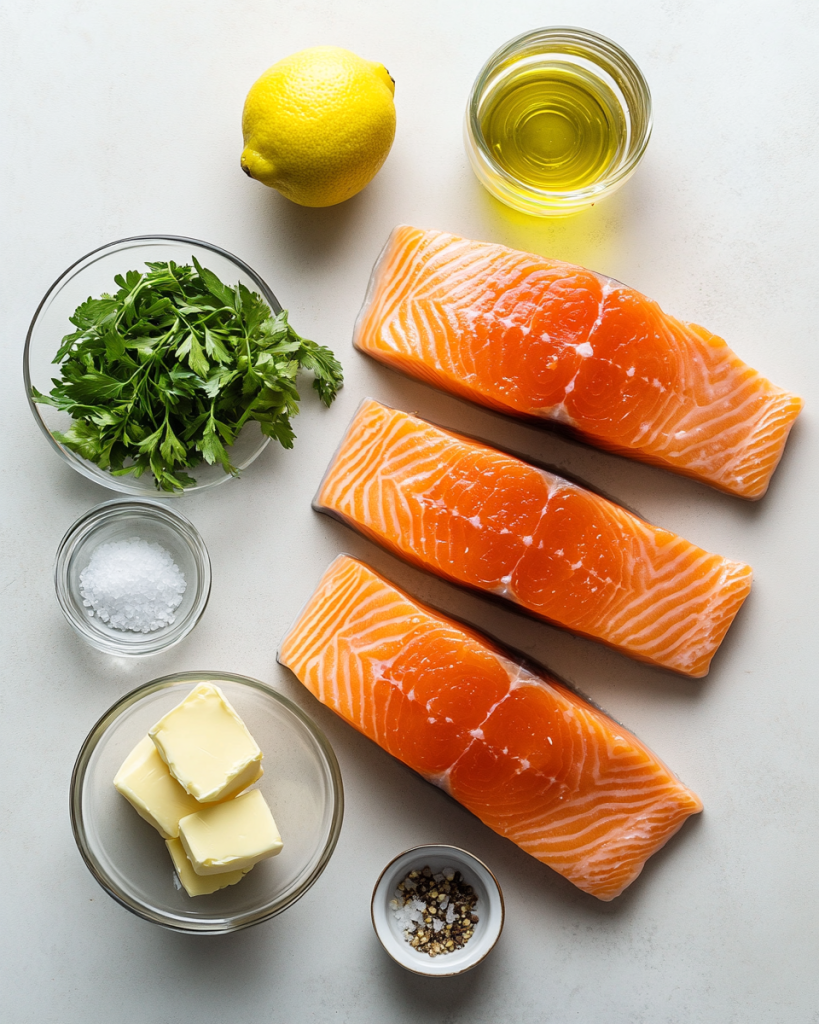
- 2 fillets salmon fillets preferably skin-on
- 1 lemon lemon for juice and zest
- 2 tbsp butter unsalted preferred
- 1 clove garlic minced, optional
- 2 tbsp lemon juice freshly squeezed
- 1/2 lemon lemon zest from half a lemon
- 2 tbsp olive oil for searing
- to taste salt and pepper for seasoning
- optional fresh herbs parsley or dill, chopped, for garnish
Ingredient Substitutions
- Butter → Ghee: Offers similar richness with a nuttier note.
- Olive Oil → Avocado Oil: Suitable for higher heat searing.
- Salmon → Trout Fillets: Provides comparable texture and flavor.
- Parsley → Chives or Basil: Adds a different herbal finish.
Ingredient Spotlight
- Salmon: Naturally rich in healthy fats and known for its tender, flaky texture.
- Lemon Butter Sauce: A classic pairing that enhances both aroma and mouthfeel.
Instructions for Making This Recipe
- Pat the salmon fillets dry with paper towels, then season generously with salt and pepper on both sides. Set aside.
- Heat a skillet over medium heat and add olive oil. Once the oil shimmers and just begins to smoke, carefully place the salmon fillets skin-side down. Press gently to ensure contact with the pan.
- Sear the salmon for about 4-5 minutes until the skin is crispy and golden. You’ll notice the color change and a delightful sizzle. Flip the fillets carefully using a spatula, and cook for another 2-3 minutes until the flesh is opaque and flakes easily.
- Remove the cooked salmon from the skillet and place on a plate to rest briefly. Keep warm while you prepare the lemon butter sauce.
- Add the minced garlic to the same skillet and cook for about 30 seconds until fragrant, with a gentle sizzle. Then, squeeze in the fresh lemon juice and add the lemon zest, stirring to loosen any browned bits from the bottom of the pan.
- Pour in the butter and let it melt slowly, swirling the pan to create a glossy, fragrant lemon butter sauce. Cook for about 1 minute until slightly thickened and fragrant.
- Return the salmon to the skillet, spooning the lemon butter sauce over the top. Let it sit for a minute so the flavors meld and the fish stays moist and flavorful.
- Garnish with chopped herbs if desired, and serve immediately with a drizzle of the lemon butter sauce. The skin should be crispy, the flesh tender and flaky, with a vibrant, glossy lemon glaze.
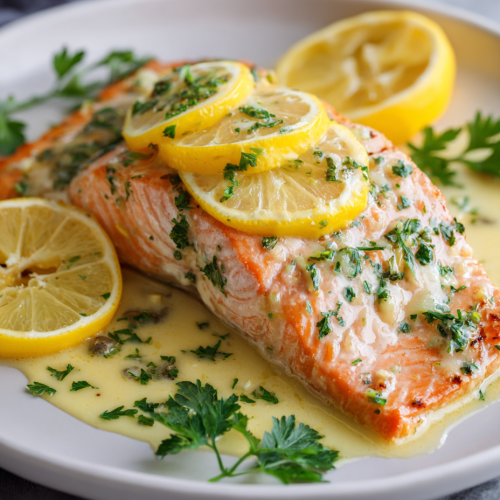
Keto Lemon Butter Salmon
Equipment
- Skillet
- Spatula
- Small bowl
- Spoon
- Plate
Ingredients
- 2 fillets salmon fillets preferably skin-on
- 1 lemon lemon for juice and zest
- 2 tbsp butter unsalted preferred
- 1 clove garlic minced, optional
- 2 tbsp lemon juice freshly squeezed
- 1/2 lemon lemon zest from half a lemon
- 2 tbsp olive oil for searing
- to taste salt and pepper for seasoning
- optional fresh herbs parsley or dill, chopped, for garnish
Instructions
- Pat the salmon fillets dry with paper towels, then season generously with salt and pepper on both sides. Set aside.
- Heat a skillet over medium heat and add olive oil. Once the oil shimmers and just begins to smoke, carefully place the salmon fillets skin-side down. Press gently to ensure contact with the pan.
- Sear the salmon for about 4-5 minutes until the skin is crispy and golden. You’ll notice the color change and a delightful sizzle. Flip the fillets carefully using a spatula, and cook for another 2-3 minutes until the flesh is opaque and flakes easily.
- Remove the cooked salmon from the skillet and place on a plate to rest briefly. Keep warm while you prepare the lemon butter sauce.
- Add the minced garlic to the same skillet and cook for about 30 seconds until fragrant, with a gentle sizzle. Then, squeeze in the fresh lemon juice and add the lemon zest, stirring to loosen any browned bits from the bottom of the pan.
- Pour in the butter and let it melt slowly, swirling the pan to create a glossy, fragrant lemon butter sauce. Cook for about 1 minute until slightly thickened and fragrant.
- Return the salmon to the skillet, spooning the lemon butter sauce over the top. Let it sit for a minute so the flavors meld and the fish stays moist and flavorful.
- Garnish with chopped herbs if desired, and serve immediately with a drizzle of the lemon butter sauce. The skin should be crispy, the flesh tender and flaky, with a vibrant, glossy lemon glaze.
Texture & Flavor Secrets
- Crisp Skin Foundation: Initial high heat locks in moisture.
- Balanced Fat and Acid: Butter richness is lifted by citrus brightness.
- Short Sauce Reduction: Keeps glaze glossy rather than heavy.
Cooking Tips & Tricks
- Choose Even Fillet Thickness: Ensures consistent doneness.
- Use Fresh Lemon Only: Bottled juice lacks aromatic oils.
- Rest Before Saucing: Prevents overcooking during finishing step.
What to Avoid
- Moving Fish Too Soon: Can tear skin and reduce crispness.
- Overcooking: Leads to dry, crumbly texture.
- Burning Butter: Maintain moderate heat once sauce begins.
Nutrition Facts (Approximate per serving)
| Nutrient | Amount per Serving |
|---|---|
| Calories | 350 |
| Carbohydrates | 2g |
| Protein | 30g |
| Fat | 26g |
| Fiber | 0g |
| Net Carbs | 2g |
Preparation Time
- Prep Time: 10 minutes
- Cook Time: 10 minutes
- Total Time: 20 minutes
Make-Ahead and Storage Tips
- Store leftover salmon in an airtight container for up to 2 days.
- Reheat gently in a covered skillet over low heat.
- Add a splash of water or broth to keep it moist.
How to Serve This Dish
- Pair with sautéed asparagus or zucchini noodles.
- Serve alongside cauliflower mash for a keto-friendly plate.
- Add a crisp cucumber salad for freshness contrast.
Creative Leftover Transformations
- Flake salmon into lettuce wraps with extra lemon drizzle.
- Add to a keto grain bowl with roasted vegetables.
- Mix into a light salmon salad for lunch.
Additional Tips
- Finish with extra lemon zest just before serving.
- Use a cast-iron skillet for deeper sear flavor.
- Sprinkle sea salt flakes for subtle crunch.
Make It a Showstopper
Place the salmon fillets on a wide serving platter and spoon the glossy lemon butter sauce generously over each piece. Garnish with delicate sprigs of dill, thin lemon slices, and a final shimmer of melted butter to create a refined, restaurant-style presentation that still feels natural and inviting.
Variations to Try
- Add capers for a briny Mediterranean touch.
- Include spinach in the skillet for extra greens.
- Sprinkle chili flakes for gentle warmth.
- Finish with grated parmesan for richer flavor.
- Add crushed almonds for subtle crunch.
FAQ’s
- What sides work best: Light vegetables or fresh salads balance richness.
- Can I bake the salmon instead: Yes, bake until just flaky and finish with sauce.
- How do I know salmon is cooked: Flesh should turn opaque and flake easily.
- Is skin necessary: Skin helps keep the fillet moist and adds crisp texture.
- Can I use frozen salmon: Yes, thaw completely and pat dry first.
- Why rest the fish before saucing: Helps retain natural juices.
- What herbs pair best: Dill, parsley, or chives complement citrus flavors.
- Can I make this dairy-free: Replace butter with olive oil or ghee.
- How do I thicken the sauce naturally: Let it simmer briefly to reduce.
- Is this recipe meal-prep friendly: Yes, store portions and reheat gently.