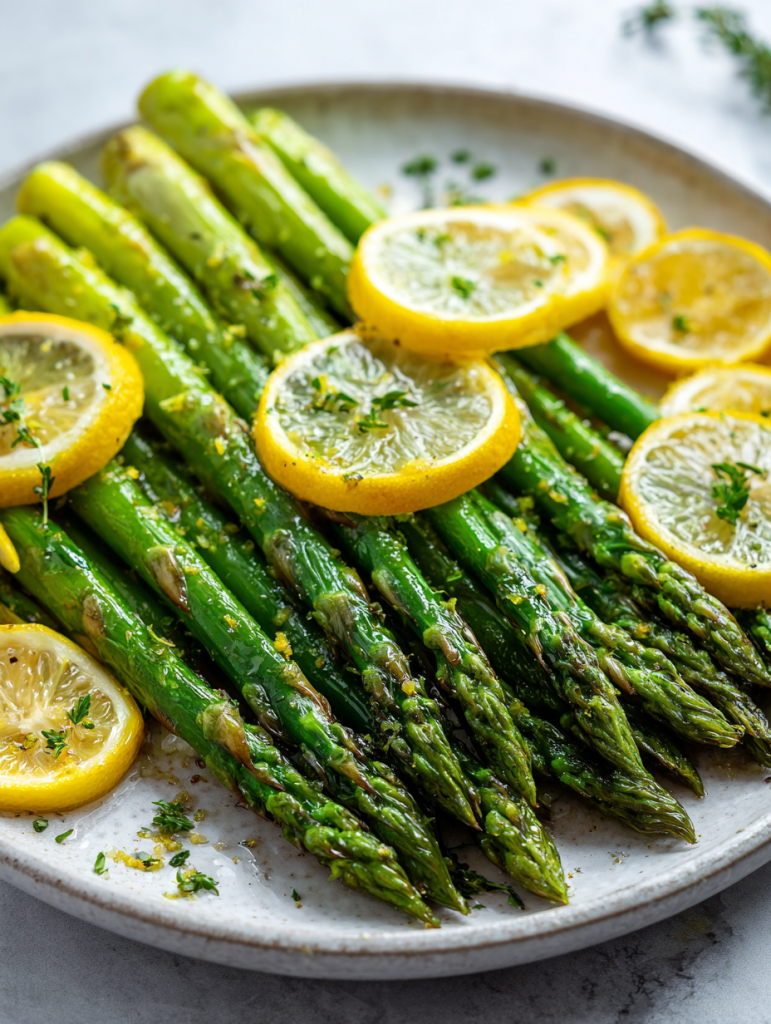
This keto lemon asparagus is one of those recipes I turn to when I want something fresh, bright, and uncomplicated on my plate. It usually comes together on evenings when I need a quick vegetable side that still feels thoughtful and full of flavor.
The gentle sizzle of asparagus in olive oil and the citrusy aroma of lemon zest filling the kitchen always makes the cooking process feel calm and enjoyable.
I like serving this dish alongside simple grilled proteins or even enjoying it on its own for a light meal. It has that perfect balance of crisp texture and clean, vibrant taste that keeps it in my regular rotation.
Behind the Recipe
I started making this version after realizing how much difference a little lemon zest can make in everyday cooking. It transformed basic sautéed asparagus into something more lively and satisfying without adding complexity.
Why You’ll Love This Recipe
- Quick and Easy: Ready in about 12 minutes from start to finish.
- Fresh Citrus Flavor: Lemon zest and juice add brightness.
- Low-Carb Friendly: Ideal for keto or light meal plans.
- Simple Ingredient List: Uses everyday kitchen staples.
- Crisp-Tender Texture: Keeps a pleasant bite without becoming soft.
- Versatile Serving Option: Works as a side or light main dish.
- Naturally Vibrant: Bright green spears look fresh and inviting.
- Customizable Finish: Optional parmesan or herbs add extra depth.
Chef’s Pro Tips for Perfect Results
- Choose Firm Asparagus: Tight tips and bright color signal freshness.
- Slice Garlic Thinly: Ensures even cooking without burning.
- Use Moderate Heat: Prevents over-browning while keeping texture.
- Add Lemon Toward the End: Maintains its fresh aroma and taste.
- Toss Gently: Keeps the spears intact and visually appealing.
Kitchen Tools You’ll Need
- Large sauté pan
- Tongs or slotted spoon
- Microplane or zester
- Small bowl
Ingredients in This Recipe

- 1 bunch bunch asparagus firm, bright green spears with tightly closed tips
- 1 piece lemon organic with thin skin, for zest and juice
- 2 tablespoons olive oil extra virgin for flavor
- 2-3 cloves garlic thinly sliced
- to taste salt coarse sea salt preferred
- to taste black pepper freshly cracked
- optional for garnish Parmesan cheese freshly grated, optional
Ingredient Substitutions
- Olive Oil → Avocado Oil: Maintains healthy fats with a neutral taste.
- Parmesan → Nutritional Yeast: Suitable for a dairy-free option.
- Garlic → Shallots: Offers a softer aromatic flavor.
- Lemon → Lime: Creates a slightly sharper citrus profile.
Ingredient Spotlight
- Lemon Zest: Concentrated citrus oils enhance aroma without extra acidity.
- Asparagus: A nutrient-dense vegetable known for its delicate earthy flavor.
Instructions for Making This Recipe
- Trim the woody ends from the asparagus by snapping each stalk where it naturally breaks. Rinse and pat dry.
- Set a large sauté pan over medium heat and add 2 tablespoons of olive oil, letting it shimmer slightly but not smoke.
- Arrange the asparagus spears in a single layer in the pan. Sauté for 3-4 minutes, shaking the pan gently, until they turn vibrant green and start to smell fresh.
- While the asparagus cooks, peel and thinly slice the garlic cloves. Add the slices to the pan and cook for about 1 minute, stirring gently, until fragrant and just starting to turn golden.
- Zest half of the lemon directly over the asparagus and garlic using a microplane, filling the air with a bright citrus aroma. Squeeze in 1-2 tablespoons of lemon juice and stir to coat evenly.
- Season with salt and freshly cracked black pepper to taste. Toss gently with tongs or a slotted spoon to ensure even seasoning and prevent burning of garlic.
- Cook for another minute until the asparagus is tender yet crisp, and the lemon aroma is fragrant. Remove from heat.
- Transfer the lemon asparagus to a serving plate. Optional: sprinkle with freshly grated Parmesan cheese or chopped herbs for extra flavor.
- Serve immediately while warm, enjoying the bright citrus notes and crisp-tender texture.
Keto Lemon Asparagus
Equipment
- Large sauté pan
- Tongs or slotted spoon
- Microplane or zester
- Small bowl
Ingredients
- 1 bunch bunch asparagus firm, bright green spears with tightly closed tips
- 1 piece lemon organic with thin skin, for zest and juice
- 2 tablespoons olive oil extra virgin for flavor
- 2-3 cloves garlic thinly sliced
- to taste salt coarse sea salt preferred
- to taste black pepper freshly cracked
- optional for garnish Parmesan cheese freshly grated, optional
Instructions
- Trim the woody ends from the asparagus by snapping each stalk where it naturally breaks. Rinse and pat dry.
- Set a large sauté pan over medium heat and add 2 tablespoons of olive oil, letting it shimmer slightly but not smoke.
- Arrange the asparagus spears in a single layer in the pan. Sauté for 3-4 minutes, shaking the pan gently, until they turn vibrant green and start to smell fresh.
- While the asparagus cooks, peel and thinly slice the garlic cloves. Add the slices to the pan and cook for about 1 minute, stirring gently, until fragrant and just starting to turn golden.
- Zest half of the lemon directly over the asparagus and garlic using a microplane, filling the air with a bright citrus aroma. Squeeze in 1-2 tablespoons of lemon juice and stir to coat evenly.
- Season with salt and freshly cracked black pepper to taste. Toss gently with tongs or a slotted spoon to ensure even seasoning and prevent burning of garlic.
- Cook for another minute until the asparagus is tender yet crisp, and the lemon aroma is fragrant. Remove from heat.
- Transfer the lemon asparagus to a serving plate. Optional: sprinkle with freshly grated Parmesan cheese or chopped herbs for extra flavor.
- Serve immediately while warm, enjoying the bright citrus notes and crisp-tender texture.
Notes
Texture & Flavor Secrets
- Short Cooking Time: Preserves the natural crunch of asparagus.
- Balanced Citrus Notes: Lemon zest adds aroma while juice adds brightness.
- Garlic Infusion: Light sautéing deepens overall flavor without heaviness.
Cooking Tips & Tricks
- Dry Asparagus Well: Prevents steaming and helps achieve light browning.
- Use Fresh Lemon: Bottled juice lacks the same lively taste.
- Taste Before Serving: Adjust salt or citrus levels as needed.
What to Avoid
- Overcrowding the Pan: Leads to uneven cooking.
- Burning Garlic: Causes bitterness in the final dish.
- Overcooking Asparagus: Reduces color vibrancy and texture.
Nutrition Facts (Approximate per serving)
| Nutrient | Amount per Serving |
|---|---|
| Calories | 120 |
| Carbohydrates | 6g |
| Protein | 3g |
| Fat | 9g |
| Fiber | 2g |
| Net Carbs | 4g |
Preparation Time
- Prep Time: 5 minutes
- Cook Time: 7 minutes
- Total Time: 12 minutes
Make-Ahead and Storage Tips
- Store leftovers in a sealed container for up to 2 days.
- Reheat quickly in a sauté pan for best texture.
- Avoid prolonged microwaving to maintain crispness.
How to Serve This Dish
- Pair with grilled chicken or fish for a balanced meal.
- Serve alongside cauliflower rice for a keto plate.
- Top with toasted pine nuts for extra crunch.
Creative Leftover Transformations
- Chop and add to a fresh salad bowl.
- Mix into scrambled eggs or omelettes.
- Toss with zucchini noodles for a quick stir fry.
Additional Tips
- Add chopped parsley for extra freshness.
- Finish with a light drizzle of olive oil before serving.
- Use thicker asparagus spears for better texture contrast.
Make It a Showstopper
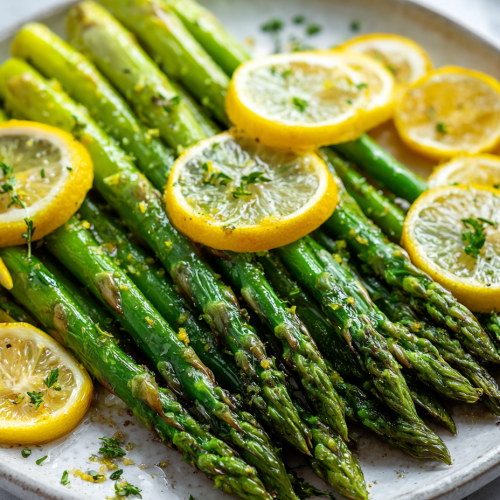
Arrange the glossy lemon-coated asparagus neatly on a white platter and finish with delicate shavings of parmesan and a sprinkle of lemon zest. The clean presentation highlights the natural green color and gives the dish an elegant, modern feel.
Variations to Try
- Add toasted pine nuts for nutty crunch.
- Sprinkle chili flakes for gentle heat.
- Include sautéed mushrooms for a heartier version.
- Finish with fresh basil for herbal brightness.
- Add a splash of balsamic glaze for subtle sweetness.
FAQ’s
- Is this suitable for meal prep: Yes, but reheat gently for best texture.
- Can I use frozen asparagus: Fresh works best for crisp texture and flavor.
- How do I keep asparagus crunchy: Cook quickly on medium heat.
- Is parmesan necessary: It’s optional but adds savory depth.
- Can I prepare this ahead of time: It tastes best when served fresh.
- What herbs pair well with lemon asparagus: Parsley, basil, and dill work nicely.
- Can I make it dairy-free: Simply skip the parmesan garnish.
- How much lemon juice should I use: Start small and adjust to taste.
- Why zest the lemon: Zest provides concentrated citrus aroma.
- Can I grill the asparagus instead: Yes, then toss with lemon and garlic oil.