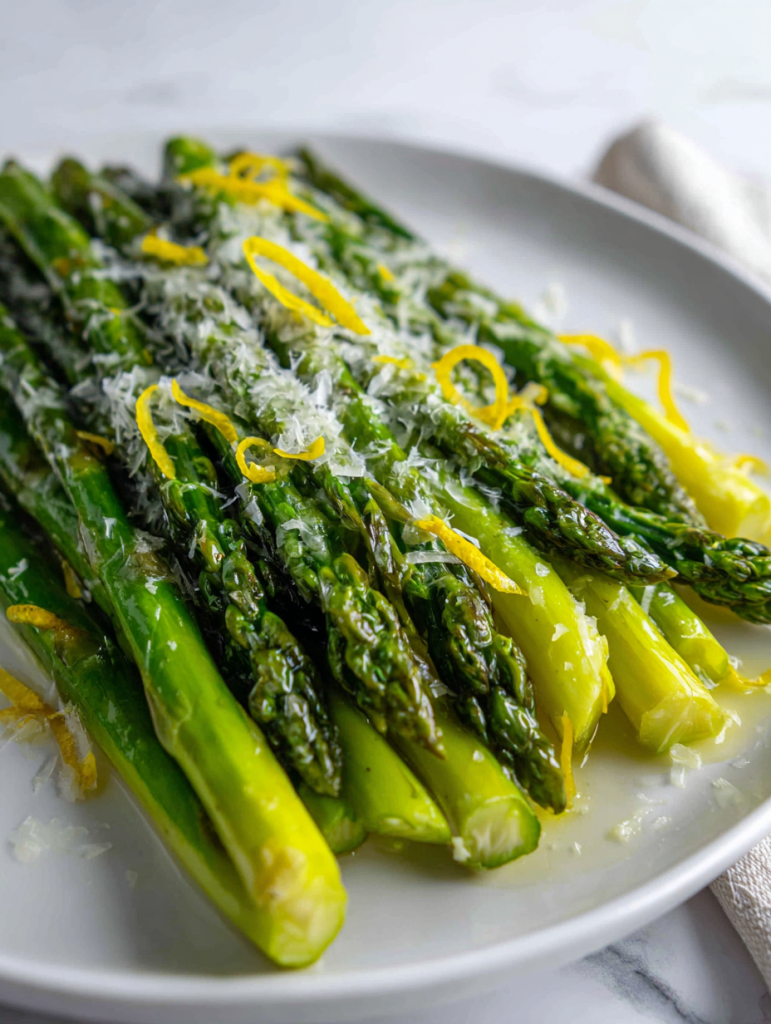
Simple recipes often become the ones we cook the most, and this parmesan asparagus is a perfect example in my kitchen. I usually make it on evenings when I want a quick vegetable side that still feels warm and satisfying.
The gentle sizzle of asparagus in olive oil and the moment when freshly grated parmesan starts to melt over the hot spears always feels comforting in a very everyday way.
It’s not complicated or fussy, but the crispy edges and salty cheese make it feel like a thoughtful addition to any meal. I especially love serving this alongside grilled dishes or even enjoying it on its own as a light, flavorful plate.
Behind the Recipe
This dish came from a simple goal — to make vegetables taste exciting without adding heavy sauces or too many steps. The combination of light charring and parmesan gives asparagus a cozy, savory character while still keeping the freshness intact.
Why You’ll Love This Recipe
- Minimal Ingredients: A few simple pantry staples create big flavor.
- Quick Cooking Time: Ready in under 20 minutes.
- Crispy-Tender Texture: Light charring adds depth and bite.
- Savory Cheese Finish: Parmesan melts into the spears beautifully.
- Naturally Low-Carb: Fits into balanced or keto-style eating.
- Versatile Side Dish: Complements a wide range of main courses.
- Fresh Bright Flavor: Optional lemon zest lifts the richness.
- Visually Appealing: Vibrant green with golden edges looks inviting.
Chef’s Pro Tips for Perfect Results
- Use a Wide Skillet: Helps asparagus cook evenly without steaming.
- Avoid Constant Stirring: Let the spears sit briefly to develop char.
- Grate Parmesan Fresh: Melts better and tastes more balanced.
- Season at the End: Prevents salt from drawing out excess moisture.
- Add Garlic Carefully: Cook just until fragrant to avoid bitterness.
Kitchen Tools You’ll Need
- Large skillet
- Tongs
- Sharp knife
- Small bowl
Ingredients in This Recipe
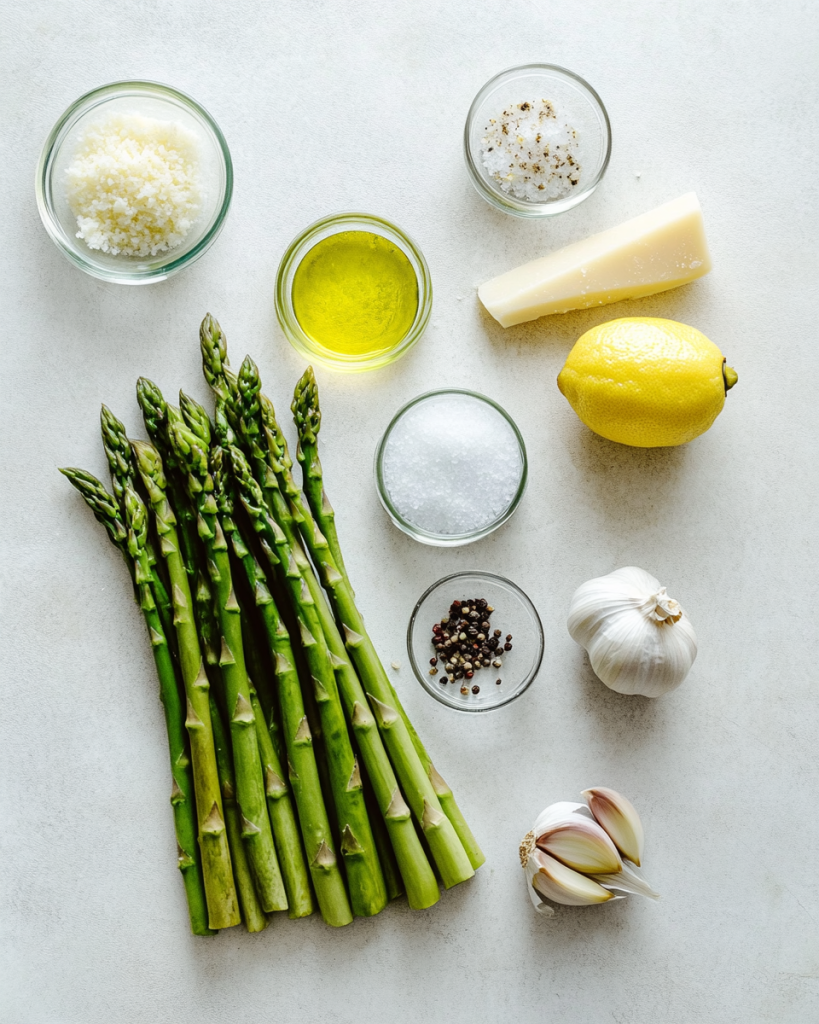
- 1 pound fresh asparagus snap off the woody ends
- 2 tablespoons extra virgin olive oil good quality for better flavor
- 1/4 cup parmesan cheese freshly grated
- 1 pinch flaky sea salt adjust to taste
- 1 teaspoon lemon zest optional for brightness
- 1 clove garlic thinly sliced, optional
- 1 teaspoon black pepper freshly cracked, optional
Ingredient Substitutions
- Parmesan → Pecorino Romano: Offers a sharper salty flavor.
- Olive Oil → Avocado Oil: Maintains healthy fats with neutral taste.
- Garlic → Shallots: Provides softer sweetness.
- Lemon Zest → Lime Zest: Creates a slightly tangier finish.
Ingredient Spotlight
- Parmesan Cheese: Known for its rich umami flavor and ability to melt lightly over warm vegetables.
- Asparagus: A nutrient-rich vegetable that becomes sweeter and more flavorful when lightly charred.
Instructions for Making This Recipe
- Trim the woody ends off the asparagus by snapping or cutting about 2 inches from the bottom, aiming for tender, vibrant green spears.
- Heat a large skillet over medium heat until the oil shimmers and starts to crackle, giving off a fruity aroma.
- Add the asparagus in a single layer and cook undisturbed for 2-3 minutes, allowing the bottoms to develop a golden, slightly charred crust.
- Use tongs to turn the spears and cook for another 2-3 minutes until they become tender when pierced, with a bright green color and slightly smoky aroma.
- Sprinkle the freshly grated parmesan evenly over the hot asparagus, then cover the skillet briefly for about 30 seconds to help the cheese melt into the spears.
- If using, add thin slices of garlic and a pinch of lemon zest to the skillet, letting them cook just until fragrant, about 30 seconds.
- Remove the skillet from heat and sprinkle the dish with flaky sea salt and freshly cracked black pepper for added flavor.
- Transfer the asparagus to a serving platter or plate immediately, allowing the melted parmesan to slightly set and the flavors to meld.
- Serve the asparagus while still warm, enjoying the crispy edges, tender spears, and rich, melty parmesan.
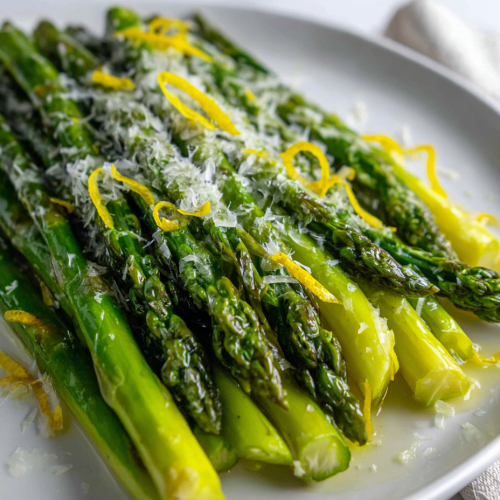
Simple Parmesan Asparagus
Equipment
- Large skillet
- Tongs
- Sharp knife
- Small bowl
Ingredients
- 1 pound fresh asparagus snap off the woody ends
- 2 tablespoons extra virgin olive oil good quality for better flavor
- 1/4 cup parmesan cheese freshly grated
- 1 pinch flaky sea salt adjust to taste
- 1 teaspoon lemon zest optional for brightness
- 1 clove garlic thinly sliced, optional
- 1 teaspoon black pepper freshly cracked, optional
Instructions
- Trim the woody ends off the asparagus by snapping or cutting about 2 inches from the bottom, aiming for tender, vibrant green spears.
- Heat a large skillet over medium heat until the oil shimmers and starts to crackle, giving off a fruity aroma.
- Add the asparagus in a single layer and cook undisturbed for 2-3 minutes, allowing the bottoms to develop a golden, slightly charred crust.
- Use tongs to turn the spears and cook for another 2-3 minutes until they become tender when pierced, with a bright green color and slightly smoky aroma.
- Sprinkle the freshly grated parmesan evenly over the hot asparagus, then cover the skillet briefly for about 30 seconds to help the cheese melt into the spears.
- If using, add thin slices of garlic and a pinch of lemon zest to the skillet, letting them cook just until fragrant, about 30 seconds.
- Remove the skillet from heat and sprinkle the dish with flaky sea salt and freshly cracked black pepper for added flavor.
- Transfer the asparagus to a serving platter or plate immediately, allowing the melted parmesan to slightly set and the flavors to meld.
- Serve the asparagus while still warm, enjoying the crispy edges, tender spears, and rich, melty parmesan.
Notes
Texture & Flavor Secrets
- Light Charring: Adds subtle smokiness and depth.
- Melting Cheese Finish: Creates a creamy yet crisp contrast.
- Balanced Seasoning: Salt and citrus highlight natural sweetness.
Cooking Tips & Tricks
- Dry Asparagus Before Cooking: Helps achieve crisp edges.
- Cook in Batches if Needed: Prevents overcrowding in the pan.
- Serve Immediately: Ensures best texture and melted cheese effect.
What to Avoid
- Overcooking: Leads to limp texture and dull color.
- Burning Garlic: Adds bitterness to the dish.
- Using Pre-Grated Cheese: May not melt as smoothly.
Nutrition Facts (Approximate per serving)
| Nutrient | Amount per Serving |
|---|---|
| Calories | 150 |
| Carbohydrates | 6g |
| Protein | 6g |
| Fat | 11g |
| Fiber | 2g |
| Net Carbs | 4g |
Preparation Time
- Prep Time: 10 minutes
- Cook Time: 8 minutes
- Total Time: 18 minutes
Make-Ahead and Storage Tips
- Store leftovers in an airtight container for up to 2 days.
- Reheat quickly in a skillet to restore texture.
- Avoid long microwave reheating to keep spears crisp.
How to Serve This Dish
- Pair with roasted chicken or grilled fish.
- Serve alongside cauliflower mash for a low-carb plate.
- Add toasted nuts for extra crunch and richness.
Creative Leftover Transformations
- Chop and add to a warm grain or keto bowl.
- Mix into scrambled eggs for a savory breakfast.
- Toss with leafy greens for a quick salad.
Additional Tips
- Finish with a drizzle of olive oil for extra gloss.
- Add fresh herbs like parsley for color contrast.
- Use medium-thick asparagus spears for best balance of texture.
Make It a Showstopper
Arrange the parmesan asparagus neatly on a rustic serving board and finish with delicate curls of extra parmesan and a light scattering of lemon zest. The contrast of bright green spears with golden crispy edges creates a clean, elegant presentation that feels both modern and inviting.
Variations to Try
- Add toasted almonds for nutty crunch.
- Sprinkle chili flakes for gentle heat.
- Include sautéed mushrooms for a heartier dish.
- Finish with balsamic glaze for subtle sweetness.
- Add fresh basil ribbons for herbal freshness.
FAQ’s
- Can I roast instead of sauté: Yes, roast at high heat for similar caramelization.
- Is parmesan necessary: It adds richness but the dish works without it.
- How do I keep asparagus crisp: Cook quickly over medium heat.
- Can I make this dairy-free: Use nutritional yeast instead of cheese.
- What herbs pair well: Parsley, thyme, or basil complement the flavor.
- Can I prep asparagus earlier: Yes, trim and store in the fridge until cooking.
- Why add lemon zest: It balances the salty cheese with freshness.
- Can I use frozen asparagus: Fresh gives better texture and flavor.
- How do I prevent sogginess: Avoid overcrowding the skillet.
- Is this suitable for meal prep: Yes, but reheat quickly for best results.