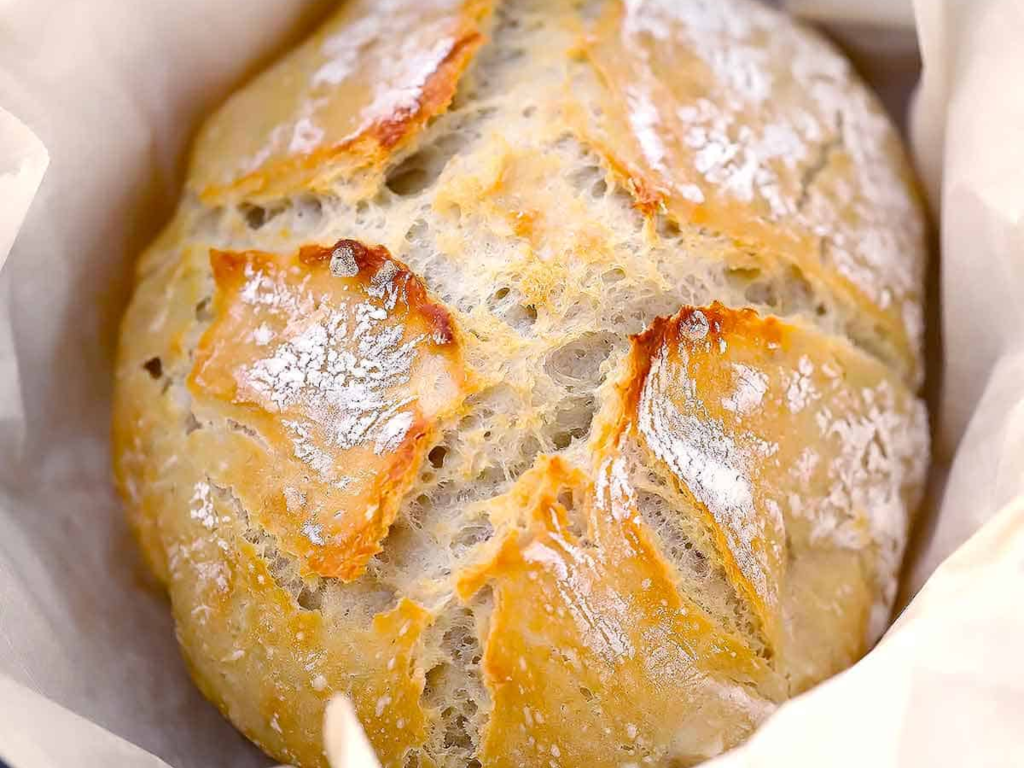
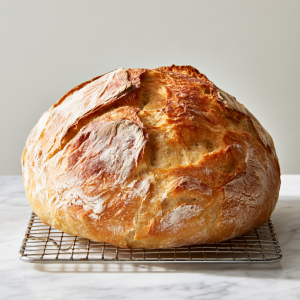
This No-Knead Dutch Oven Bread is a simple homemade loaf with a crisp, golden crust and soft, airy center. The dough takes just a few minutes to mix, making this recipe easy even for beginners.
Once the dough is ready, shape it and let a hot Dutch oven do the rest. The covered baking keeps the inside moist while the final uncovered bake creates a beautifully crisp crust.
What I Love About This Bread
- No kneading required: Just mix the dough and let time do the work.
- Simple ingredients: Uses everyday pantry staples you likely already have.
- Crisp crust: The hot Dutch oven creates a beautifully golden, crunchy exterior.
- Easy to prepare ahead: The dough can rest overnight, making baking convenient.
- Versatile loaf: Great for toast, sandwiches, breakfast, or serving with meals.
Absolutely loved this recipe! I made it last night after a long workday and couldn’t believe how easy it was, no kneading, just mix and wait. The crust came out golden and crisp, and the inside was soft and airy. My whole kitchen smelled like a bakery! This one’s going into my regular rotation for sure. Thanks for making bread feel doable again!
Rachel M.
Key Ingredient Tips & Simple Swaps
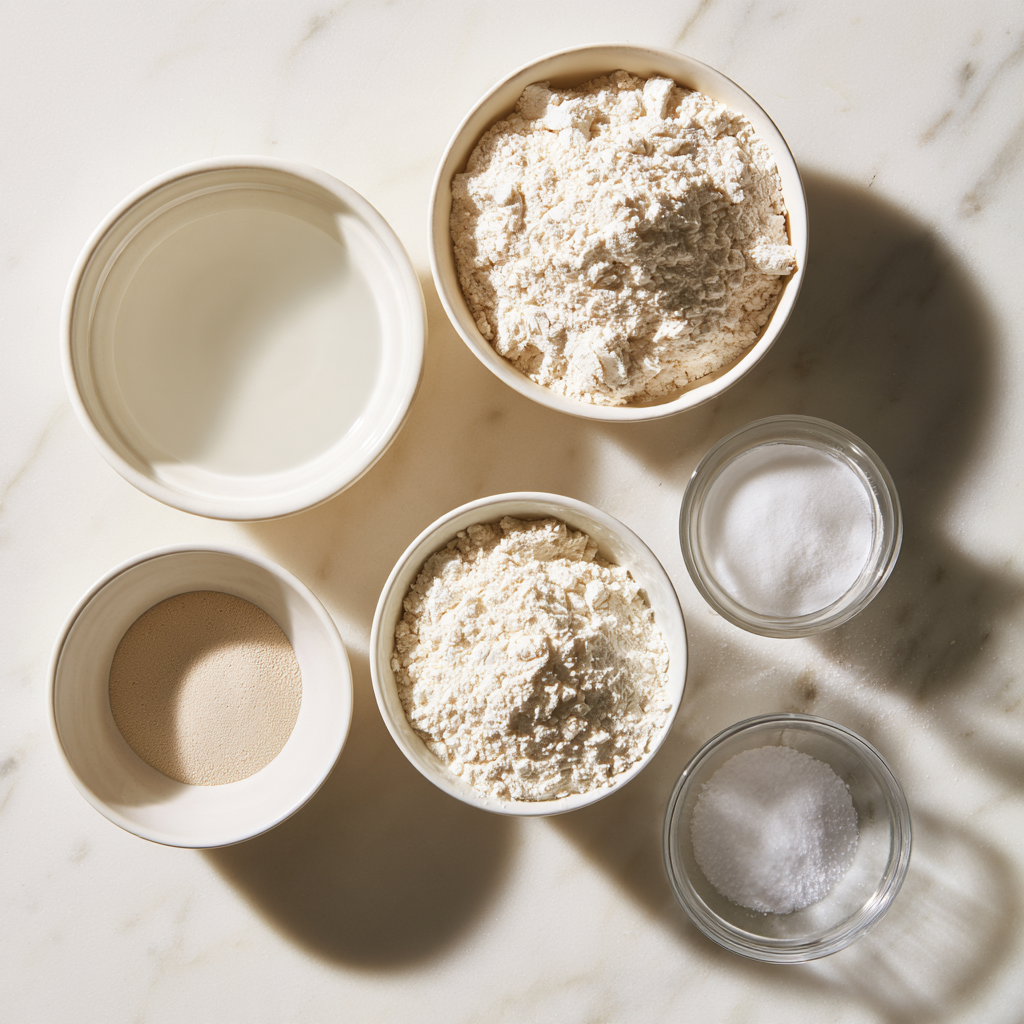
- All-Purpose Flour: Creates a soft chewy interior with a crisp crust. Bread flour can also be used for extra chewiness.
- Warm Water: Helps activate the yeast and hydrate the dough properly. The water should feel warm, not hot.
- Yeast: Helps the dough rise and creates airy texture throughout the loaf. Instant or active dry yeast both work well.
- Salt: Enhances flavor and balances the yeast activity during rising. Fine sea salt also works nicely.
- Extra Flavor Option: Add garlic powder, rosemary, thyme, or shredded cheese for extra flavor.
- Flour for Shaping: Lightly flouring your hands and surface helps prevent sticking while shaping the dough.
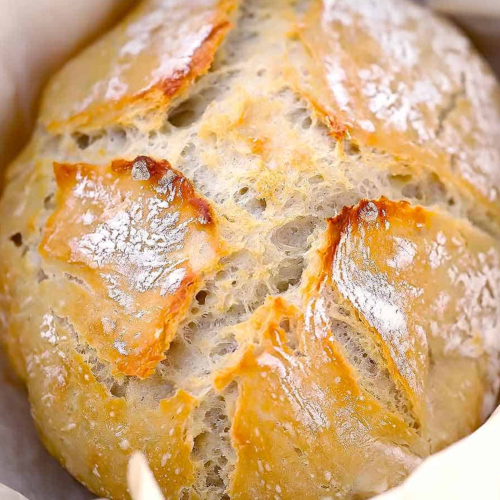
No Knead Dutch Oven Bread Recipe
This No Knead Dutch Oven Bread is a simple, fuss-free recipe yielding a crusty, artisan-style loaf with minimal effort. Just mix, let it rise, and bake in a hot Dutch oven. Perfect for beginners and anyone who loves fresh homemade bread.
Equipment
- Dutch Oven with lid
- Large mixing bowl
- Measuring cups and spoons
- Kitchen Towel or Plastic Wrap
- Wooden spoon or spatula
- Wire cooling rack
Ingredients
- 1½ cup Warm Water
- 3 cup All-Purpose Flour
- 1½ tsp Salt
- 2¼ teaspoons Yeast
Instructions
- In a large bowl, combine warm water and yeast. Let it sit for 5 minutes. Add the all-purpose flour and salt, then mix until a sticky, rough dough forms. Cover the bowl.
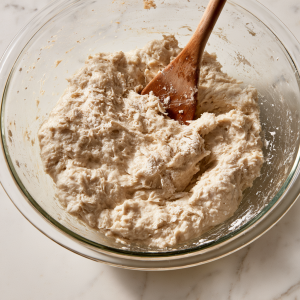
- Let the dough rest at room temperature for 8–12 hours, or until it becomes puffy and develops bubbles. Overnight is ideal.
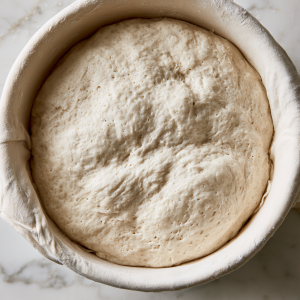
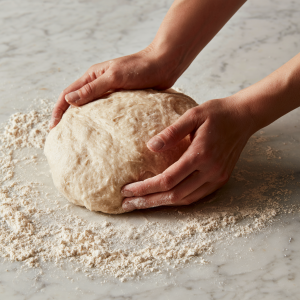
- Lightly flour your work surface with flour for shaping. Transfer the dough onto it and gently shape it into a round loaf. Avoid kneading the dough.
- Place the Dutch oven with its lid on in the oven and preheat to 450°F (230°C) for 30 minutes.
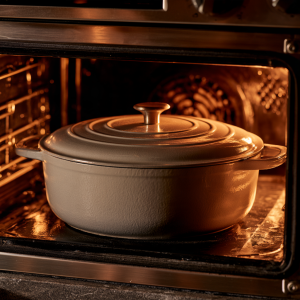
- Carefully place the shaped dough into the hot Dutch oven. Cover with the lid and bake for 30 minutes. Remove the lid and bake for another 10–15 minutes, until the crust is deep golden brown and crisp.
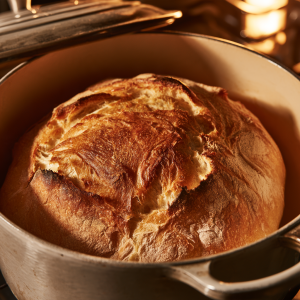
- Carefully remove the bread from the Dutch oven and let it cool on a wire rack for at least 1 hour before slicing. This helps the inside finish setting and keeps the bread from becoming gummy.
Notes
- Adjust flour or water in small amounts to achieve a sticky, yet workable dough consistency.
- Scoring the bread improves the rise and creates a beautiful finish, but it’s optional.
Nutrition Information
| Nutrient | Per Serving |
|---|---|
| Calories | 188 |
| Carbs | 36g |
| Protein | 5g |
| Fat | 1g |
| Fiber | 1g |
| Sugar | 1g |
| Sodium | 290mg |
Keys to Success & Common Mistakes
- Dense Bread: Make sure the dough rises long enough and the yeast is fresh.
- Dough Too Sticky: Lightly flour your hands and work surface while shaping.
- Flat Loaf: Avoid adding too much flour, which can make the dough heavy.
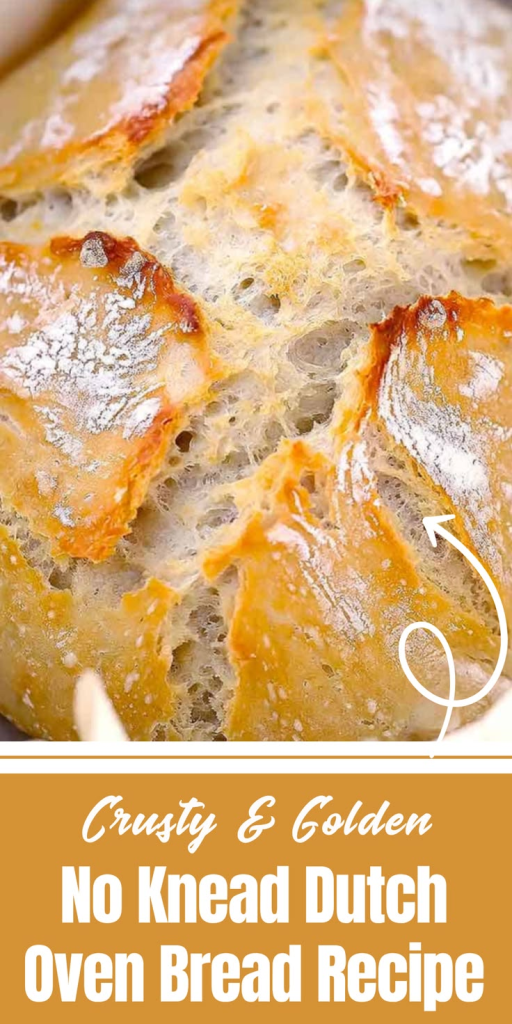
- Pale Crust: Remove the lid during the final baking time for better browning.
- Burnt Bottom: Place a baking sheet under the Dutch oven if the bottom browns too quickly.
- Gummy Texture: Let the bread cool fully before slicing so the crumb can set properly.
Prep Ahead and Store Like a Pro
- Room Temperature Storage: Store bread wrapped loosely for up to 2 days.
- Freezer Friendly: Freeze sliced bread in airtight bags for up to 2 months.
- Reheat Tip: Warm slices in the oven or toaster for fresh texture.
- Dough Prep Option: The dough can rise overnight for easier baking the next day.
- Best Freshness: Homemade bread tastes best within the first 24 hours.
More Bread Recipes You’ll Love!
- Lactation Balls Recipe
- 2 Ingredients Vegan Chicken Recipe
- Chicken And Rice Casserole Recipe
- Baked Apple Fritters Recipe
Delicious Variations and Serving Ideas
- Herb Bread Version: Add rosemary, thyme, or Italian seasoning to the dough.
- Cheesy Bread: Mix shredded cheddar or parmesan into the dough before rising.
- Seeded Crust: Sprinkle sesame seeds or everything seasoning on top before baking.
- Soup Side Option: Serve warm with soup, stew, or chili.
- Sandwich Style: Slice for sandwiches, toast, or breakfast spreads.
- Garlic Butter Finish: Brush warm bread with melted garlic butter after baking.
Frequently Asked Questions
- Do I really not need to knead the dough?
Yes, the long resting time develops the texture naturally without kneading. - Why is a Dutch oven important for this recipe?
It traps steam inside, helping create a crispy artisan-style crust. - Can I use instant yeast?
Yes, both instant yeast and active dry yeast work well. - Why is my dough very sticky?
No knead dough is naturally wetter than regular bread dough. - Can I let the dough rise overnight?
Yes, overnight rising helps develop deeper flavor and texture. - How do I know when the bread is done baking?
The crust should look deep golden brown and sound hollow when tapped. - Can I add herbs or cheese to the dough?
Yes, herbs, garlic, cheese, and seeds all work well in this bread. - Why should the bread cool before slicing?
Cooling helps the inside texture fully set and prevents gumminess.


I just baked this No Knead Dutch Oven Bread, and it turned out amazing! Seriously, so easy and the crust was perfect crispy on the outside, soft on the inside. I love that there’s no kneading involved, which makes it super beginner-friendly Definitely my new go-to bread recipe
This bread recipe is fantastic! Took me no time to mix it up, and the Dutch oven did all the magic. The crust was nice and crunchy, and the inside was fluffy and soft. Perfect for sandwiches or just eating with butter
I’m so glad I found this no-knead bread recipe! It’s super simple, and the smell that filled my kitchen was incredible. The bread came out with a beautiful crust and a soft, chewy inside just like bakery bread. Highly recommend for anyone who wants great homemade bread without the fuss