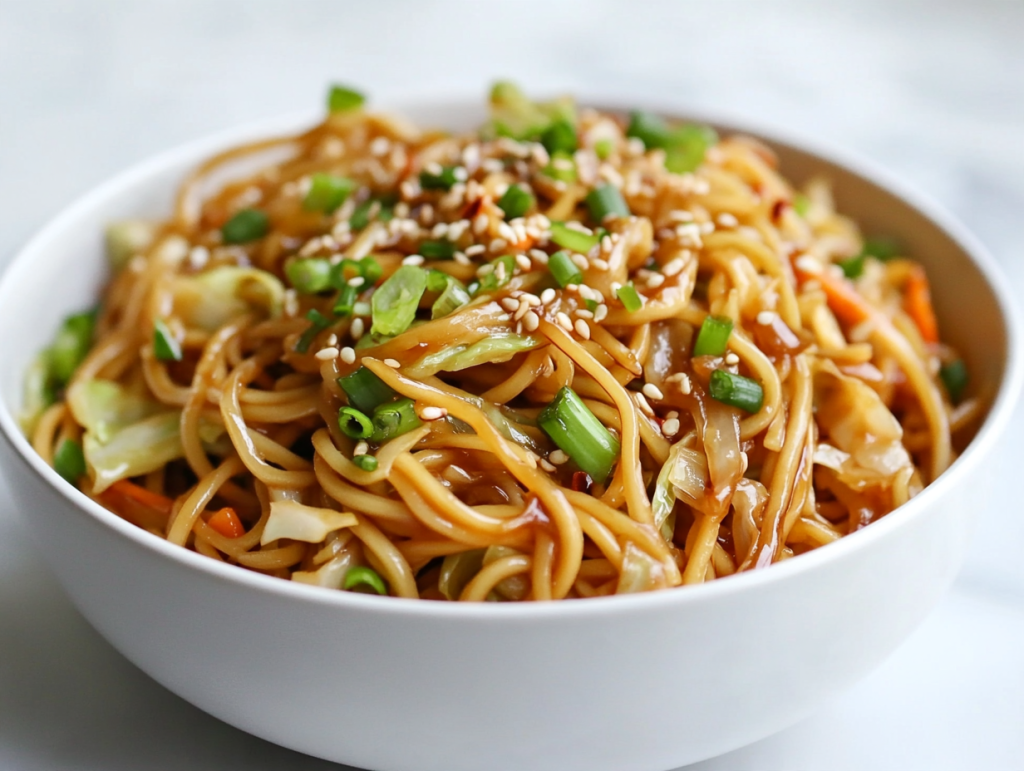
A humble head of cabbage can turn into a delicious noodle dinner with the right combination of seasonings. These Sesame Cabbage Noodles bring together tender noodles, lightly caramelized cabbage, sweet carrots, garlic, and fresh ginger, all tossed in a savory sesame-soy sauce. Toasted sesame oil adds a nutty aroma, while rice vinegar gives the sauce a pleasant tang.
Ready in just 25 minutes, this recipe is a convenient choice for lunch or a quick dinner when you want something flavorful without a long ingredient list. The cabbage retains a little crunch, the carrots add natural sweetness, and every strand of noodle gets coated in the glossy sauce. Enjoy them as they are or add tofu, edamame, or your favorite vegetables to make the meal more substantial.
Why You’ll Love This Recipe
- Ready in Just 25 Minutes: A short cooking time makes these noodles ideal for busy weekdays when you need a quick meal.
- A Delicious Way to Use Cabbage: Shredded cabbage becomes lightly caramelized in the skillet, adding sweetness and texture to every bite.
- Balanced Sesame-Soy Sauce: Soy sauce, rice vinegar, honey, and toasted sesame oil create a savory, tangy, and slightly sweet coating.
- Easy to Customize: Add mushrooms, broccoli, bell peppers, tofu, or edamame depending on what you have available.
- Simple Everyday Ingredients: The recipe uses familiar vegetables, pantry sauces, and noodles that are easy to find in most grocery stores.
Ingredient Substitutions for Different Needs
- Noodles: Use rice noodles, udon, soba, or gluten-free noodles. Adjust cooking time according to the package instructions.
- Green Cabbage: Napa cabbage or savoy cabbage can replace regular green cabbage.
- Carrot: Try thinly sliced bell peppers or julienned zucchini for a different vegetable combination.
- Soy Sauce: Use tamari or coconut aminos as an alternative. Tamari is a good option when choosing a gluten-free sauce.
- Rice Vinegar: Apple cider vinegar can work, although its flavor is slightly stronger.
- Chili Garlic Sauce: Use sriracha or a pinch of red pepper flakes if you prefer a different type of heat.
Chef’s TipLet the shredded cabbage sit against the hot skillet for a short moment before tossing it. This encourages light caramelization and brings out its natural sweetness.
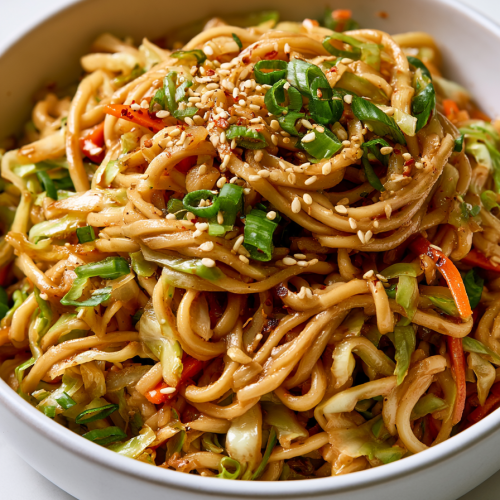
Sesame Cabbage Noodles Recipe
Equipment
- Large pot for cooking noodles
- Large wok or skillet
- Colander
- Cutting board
- Sharp knife
- Small mixing bowl
- Whisk or fork
- Measuring cups and spoons
- Cooking tongs
Ingredients
For the Noodles
- 8 ounces lo mein noodles ramen noodles, or spaghetti
- 3 cups green cabbage thinly shredded
- 1 medium carrot julienned
- 3 green onions sliced, whites and greens separated
- 3 garlic cloves minced
- 1 tablespoon freshly grated ginger
- 1 tablespoon neutral cooking oil
For the Sesame Sauce
- 3 tablespoons low-sodium soy sauce
- 1 tablespoon toasted sesame oil
- 1 tablespoon rice vinegar
- 1 tablespoon honey or maple syrup
- 1 tablespoon sesame seeds
- 1 teaspoon chili garlic sauce optional
- 2 tablespoons water
- ¼ teaspoon black pepper
For Garnishing
- 1 tablespoon toasted sesame seeds
- 1 green onion thinly sliced
- Red pepper flakes optional
Instructions
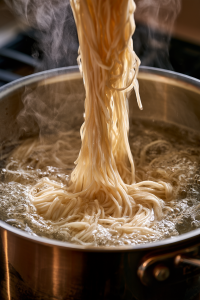
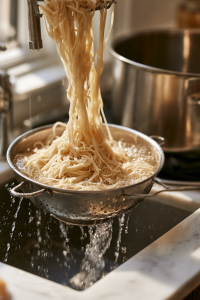
- Bring a large pot of water to a boil. Add the noodles and cook according to the package directions until just tender. Avoid overcooking, as the noodles will cook briefly again in the skillet. Drain and rinse briefly under cool water if needed to prevent sticking. Set aside.
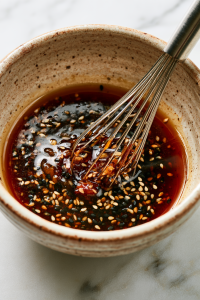
- In a small bowl, whisk together the soy sauce, toasted sesame oil, rice vinegar, honey or maple syrup, sesame seeds, chili garlic sauce, water, and black pepper. Stir until the sweetener is dissolved and the ingredients are well combined.
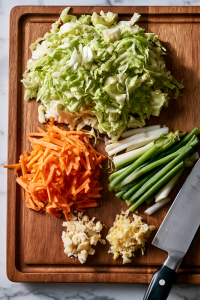
- Thinly slice the cabbage, julienne the carrot, and separate the white and green parts of the green onions. Mince the garlic and grate the fresh ginger so everything is ready before cooking.
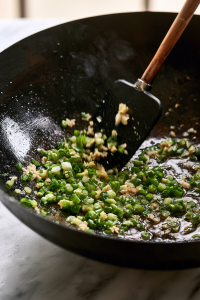
- Heat the neutral oil in a large wok or skillet over medium-high heat. Add the white parts of the green onions, minced garlic, and grated ginger. Stir-fry for about 30 seconds until fragrant, taking care not to let the garlic burn.
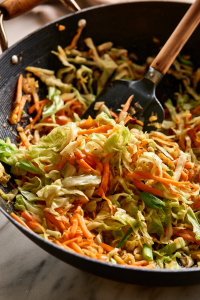
- Add the shredded cabbage and julienned carrot to the skillet. Toss frequently and cook for 4–5 minutes until the cabbage begins to soften but still has a little crunch. If you prefer softer cabbage, cook for another 1–2 minutes.
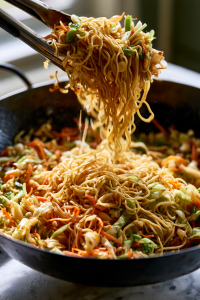
- Transfer the drained noodles to the skillet. Use tongs to gently toss them with the sautéed vegetables until evenly distributed.
- Give the prepared sauce another quick stir, then pour it over the noodles and vegetables. Toss continuously for 2–3 minutes, making sure the sauce coats the noodles and the cabbage is evenly seasoned.
- Add most of the sliced green onion tops and toss everything together. Taste and adjust with a little extra soy sauce, rice vinegar, or chili sauce according to your preference.
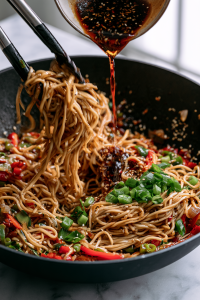
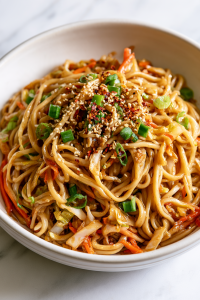
- Remove the skillet from the heat. Sprinkle with toasted sesame seeds, the remaining green onions, and red pepper flakes if desired. Serve immediately while the noodles are warm and flavorful.
Notes
- Add protein: Crispy tofu, edamame, tempeh, or scrambled eggs make delicious additions.
- Vegetable variations: Thinly sliced bell peppers, mushrooms, snap peas, broccoli, or bean sprouts work well in this recipe.
- Make it gluten-free: Use gluten-free rice noodles or tamari instead of regular soy sauce. Check all packaged sauces for gluten-containing ingredients.
- Storage: Store leftover noodles in an airtight container in the refrigerator for up to 3 days.
- Reheating: Warm in a skillet over medium heat with 1–2 tablespoons of water to loosen the sauce.
Nutrition Information
| Nutrient | Approximate Amount |
|---|---|
| Calories | 315 kcal |
| Carbohydrates | 49 g |
| Protein | 9 g |
| Fat | 10 g |
| Fiber | 5 g |
| Sugar | 8 g |
| Sodium | 650 mg |
Cooking Tips and Tricks
- Prepare Everything Before Heating the Pan: Stir-frying moves quickly, so slice the vegetables and mix the sauce before you begin.
- Use Tongs for Easy Tossing: They help separate the noodles and distribute the vegetables without breaking the strands.
- Keep the Cabbage Slightly Crisp: Cook it just until softened but not completely limp for a better texture.
- Loosen Sticky Noodles: If the noodles clump together after draining, toss them with a small amount of neutral oil before adding them to the skillet.
- Adjust the Sauce at the End: Add a splash of rice vinegar for brightness, soy sauce for saltiness, or water if the noodles seem too dry.
Try More Asian-Inspired Recipes
- Spicy Korean Tofu Recipe
- m
- m
- m
- m
Frequently Asked Questions
1. What type of noodles work best for Sesame Cabbage Noodles?
Lo mein noodles are a great choice because they have a satisfying chew and hold the sauce well. Ramen noodles, udon, or spaghetti also work nicely.
2. Can I make Sesame Cabbage Noodles gluten-free?
Yes. Use gluten-free rice noodles or another certified gluten-free noodle and replace regular soy sauce with tamari. Check the labels on all packaged sauces and seasonings.
3. How do I keep the noodles from sticking together?
Avoid overcooking them, drain them well, and toss with a little neutral oil if they need to sit before stir-frying. Add them to the skillet while the vegetables are still hot.
4. Can I add protein to this recipe?
Absolutely. Crispy tofu, edamame, tempeh, or scrambled eggs are all good additions. Cook the protein separately if needed and toss it with the noodles at the end.
5. Can I use red cabbage instead of green cabbage?
Yes. Red cabbage works well and adds a deeper color. Its flavor is slightly stronger, but it pairs nicely with the sesame-soy sauce.
6. How can I make the noodles spicier?
Add extra chili garlic sauce, red pepper flakes, sriracha, or chili crisp. Start with a small amount and adjust to your preference.
7. Can I prepare the sauce ahead of time?
Yes. Mix the sauce up to 3 days ahead and keep it refrigerated in a sealed container. Stir thoroughly before adding it to the noodles.