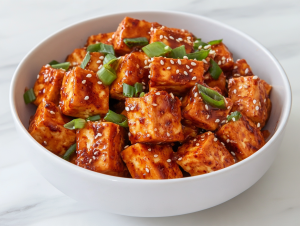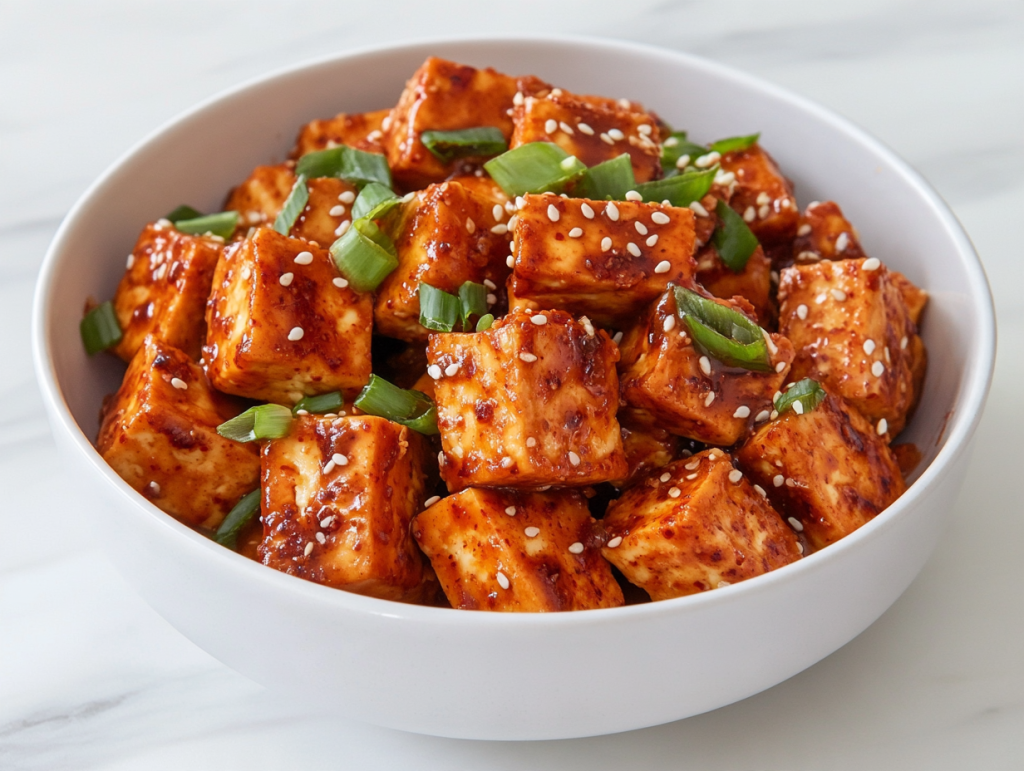
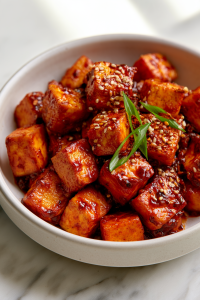
If tofu feels a little plain on its own, this Spicy Korean Tofu is a delicious way to give it a bold flavor makeover. Bite-sized pieces of extra-firm tofu are coated in cornstarch and pan-fried until golden and crisp, then tossed in a glossy sauce made with gochujang, garlic, ginger, soy sauce, sesame oil, and honey.
The sauce brings together spicy, sweet, tangy, and savory flavors, while sesame seeds and green onions add a fresh finishing touch. Serve it over steamed rice, alongside stir-fried vegetables, or as a flavorful appetizer when you’re craving something with a little heat.
Why You’ll Love This Recipe
- Crispy Without Deep-Frying: Pan-frying gives the tofu a golden, crunchy coating without requiring a deep fryer.
- A Flavorful Korean-Inspired Sauce: Gochujang, ginger, garlic, and sesame oil create a delicious balance of heat, sweetness, and umami.
- Quick Enough for Weeknight Cooking: The tofu and sauce come together in about 35 minutes, making this a practical option for busy evenings.
- Easy to Adjust: You can increase the gochujang for more heat or use maple syrup instead of honey for a vegan-friendly version.
- Versatile Serving Options: Enjoy it as a rice bowl topping, a side dish, an appetizer, or part of a larger Asian-inspired meal.
Ingredient Substitutions for Different Needs
- Extra-Firm Tofu: Firm tofu can work, but press it thoroughly to remove as much moisture as possible.
- Cornstarch: Use potato starch or arrowroot powder for a similar light coating.
- Gochujang: If unavailable, use a mixture of chili paste, a little soy sauce, and a touch of sweetener. The flavor will not be exactly the same.
- Soy Sauce: Use tamari or certified gluten-free soy sauce for a gluten-free alternative.
- Honey: Replace it with maple syrup or agave nectar for a vegan version.
Chef’s TipFor the crispiest tofu, let the cubes sit undisturbed in the hot skillet for a few minutes before turning them. This gives the cornstarch coating time to form a golden crust.
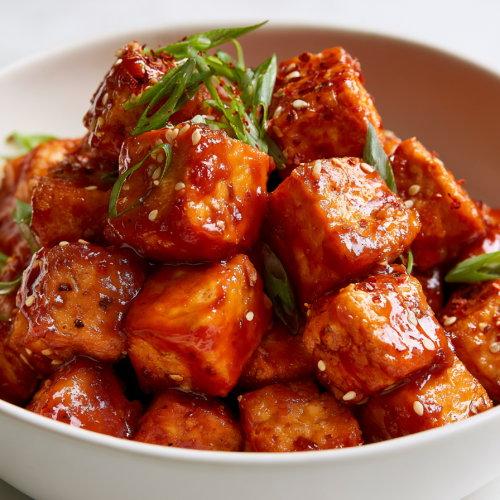
Spicy Korean Tofu Recipe
Equipment
- Large nonstick skillet or cast-iron pan
- Tofu press or heavy plate
- Cutting board
- Sharp knife
- Mixing bowl
- Small whisk
- Measuring cups and spoons
- Spatula or cooking tongs
- Paper towels
Ingredients
For the Tofu
- 1 14-ounce block extra-firm tofu, drained
- 2 tablespoons cornstarch
- ½ teaspoon salt
- ¼ teaspoon black pepper
- 2 tablespoons neutral cooking oil
For the Korean Spicy Sauce
- 2 tablespoons gochujang Korean chili paste
- 1 tablespoon low-sodium soy sauce
- 1 tablespoon honey or maple syrup
- 1 tablespoon rice vinegar
- 1 tablespoon toasted sesame oil
- 2 garlic cloves minced
- 1 teaspoon freshly grated ginger
- 2 tablespoons water
For Garnishing
- 1 tablespoon sesame seeds
- 2 green onions thinly sliced
- ½ teaspoon Korean red pepper flakes gochugaru, optional
Instructions
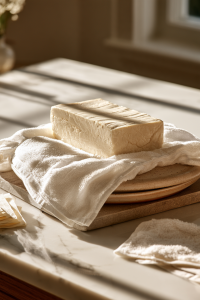
- Drain the tofu and wrap it in a clean kitchen towel or several layers of paper towels. Place a heavy plate or another weight on top and let it press for 15–20 minutes to remove excess moisture. This helps the tofu develop a crisp exterior when cooked.
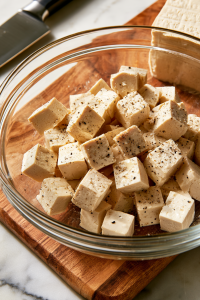
- Unwrap the tofu and cut it into bite-sized cubes, approximately 1-inch in size. Place the cubes in a mixing bowl and gently toss with salt and black pepper.
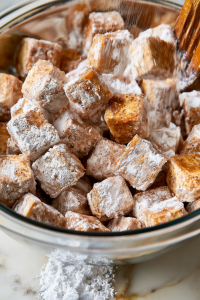
- Sprinkle the cornstarch over the tofu cubes. Toss gently until each piece has a thin, even coating. Shake off any excess cornstarch to prevent a powdery texture.
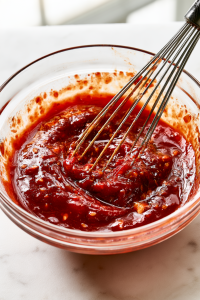
- In a small bowl, whisk together the gochujang, soy sauce, honey, rice vinegar, sesame oil, minced garlic, grated ginger, and water. Stir until the sauce is smooth and evenly combined. Taste and adjust the sweetness or spice level if desired.
- Heat the neutral cooking oil in a large nonstick skillet over medium-high heat. Arrange the tofu cubes in a single layer, leaving a little space between each piece. Cook for 3–4 minutes per side, turning occasionally, until all sides are golden brown and crisp. Work in batches if necessary to avoid overcrowding the pan.
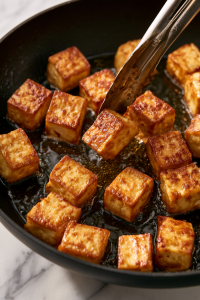
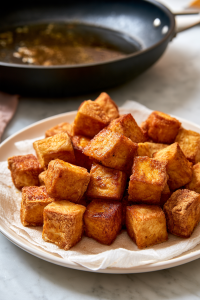
- Transfer the cooked tofu to a plate lined with paper towels. This helps remove any excess oil while keeping the exterior crisp.
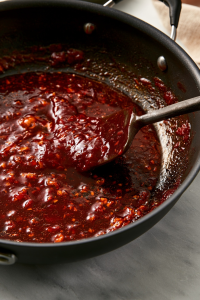
- Reduce the skillet heat to medium-low. Pour the prepared Korean sauce into the same skillet and stir for 1–2 minutes until it becomes slightly thickened and glossy. If the sauce gets too thick, add a tablespoon of water to loosen it.
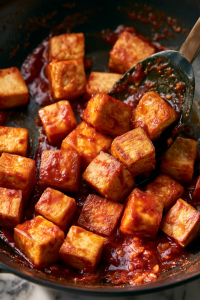
- Return the crispy tofu cubes to the skillet. Gently toss until every piece is coated with the spicy sauce. Cook for another 1–2 minutes, allowing the flavors to cling to the tofu without making the coating too soft.
- Remove the skillet from the heat. Sprinkle sesame seeds, sliced green onions, and optional gochugaru over the tofu. Serve immediately while warm, with steamed rice or your favorite vegetables.
Notes
- Choose extra-firm tofu: It contains less moisture than softer varieties and holds its shape better during pan-frying.
- Don’t skip pressing: Removing excess water is essential for achieving golden, crispy tofu instead of a soft, steamed texture.
- Use gochujang: This fermented Korean chili paste provides the signature savory, slightly sweet, and spicy flavor. It is different from regular chili sauce.
- Adjust the heat: Start with 1 tablespoon of gochujang for a milder sauce or increase it to 3 tablespoons for a spicier version.
- Make it vegan: Use maple syrup instead of honey and check that your gochujang is free from animal-derived ingredients.
Nutrition Information
| Nutrient | Approximate Amount |
|---|---|
| Calories | 285 kcal |
| Carbohydrates | 17 g |
| Protein | 15 g |
| Fat | 18 g |
| Fiber | 2 g |
| Sugar | 7 g |
| Sodium | 650 mg |
Cooking Tips and Tricks
- Use a Clean, Dry Towel: After pressing, pat the tofu dry again before adding the cornstarch.
- Give Each Piece Space: Leave small gaps between the cubes so the hot oil can brown their surfaces evenly.
- Turn the Tofu Gently: Use tongs or a spatula to rotate the cubes without breaking their crisp coating.
- Taste the Sauce Before Adding Tofu: Adjust the honey, vinegar, or gochujang to suit your preferred balance of flavors.
- Keep the Final Toss Brief: Coat the tofu just before serving and avoid simmering it for too long, which can soften the crispy exterior.
Delicious Variations You Should Not Miss
- Extra-Spicy Korean Tofu: Increase the gochujang and add gochugaru or finely chopped fresh chilies for a stronger kick.
- Sticky Sesame Tofu: Add a little extra honey or maple syrup and finish with toasted sesame seeds for a sweeter, stickier coating.
- Garlic Ginger Tofu: Increase the garlic and freshly grated ginger for a more aromatic sauce.
- Korean Tofu Rice Bowls: Serve the sauced tofu over steamed rice with shredded carrots, cucumber, and sliced green onions.
- Vegetable Stir-Fry Tofu: Toss in sautéed broccoli, bell peppers, or snap peas for a more substantial meal.
Try More Vegetarian Asian-Inspired Recipes
- Easy Vegetable Casserole Recipe
- Broccoli Cheese Casserole Recipe
- Parmesan Roasted Butternut Squash Recipe
- Creamy Garlic Mashed Potatoes Recipe
- Roasted Beet and Goat Cheese Salad Recipe
Frequently Asked Questions
1. What is gochujang, and where can I find it?
Gochujang is a fermented Korean chili paste made with ingredients such as chili powder, fermented soybeans, rice, and salt. It has a spicy, savory, and slightly sweet flavor.
2. How do I make tofu crispy without deep-frying?
Use extra-firm tofu, press out excess moisture, coat the cubes lightly with cornstarch, and pan-fry them in a single layer.
3. Can I make Spicy Korean Tofu in an air fryer?
Yes. Toss the pressed and cornstarch-coated tofu with a little oil and air-fry at 400°F (200°C) for approximately 15 to 20 minutes, shaking the basket halfway through. Toss with the prepared sauce afterward.
4. Is this recipe vegan?
It can be made vegan by using maple syrup instead of honey and checking that your gochujang and other packaged ingredients contain no animal-derived ingredients.
5. Can I make the sauce less spicy?
Yes. Start with 1 tablespoon of gochujang instead of 2 tablespoons and adjust the sweetness to balance the heat. You can also leave out the optional gochugaru.
6. Why is my tofu not getting crispy?
The tofu may contain too much moisture, the pan may not be hot enough, or the skillet may be overcrowded. Press the tofu thoroughly and cook the cubes in batches if needed.
7. Can I use soft or silken tofu?
Extra-firm tofu is strongly recommended because it holds its shape during pan-frying. Soft or silken tofu is too delicate for this preparation and may break apart.