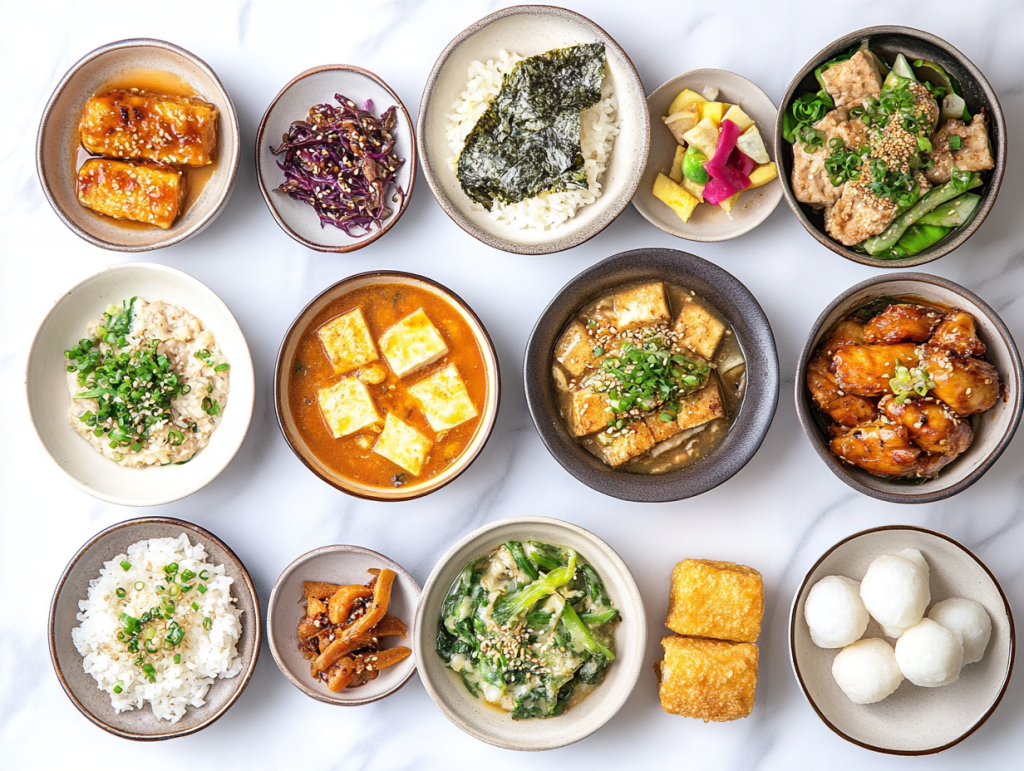
Finding meals that are both vegan and gluten-free does not mean giving up comforting flavors or satisfying textures. From warm bowls of curry and soup to crispy tofu and rice-based dishes, there are plenty of options for everyday cooking.
These recipes feature vegetables, rice, tofu, mushrooms, legumes, and naturally gluten-free ingredients. Simple substitutions, such as tamari instead of regular soy sauce and rice flour instead of wheat flour, help make familiar dishes suitable for a gluten-free, plant-based diet.
Whether you need a quick weeknight dinner, a warming lunch, or a sweet treat, this collection offers a range of recipes to try at home. Each dish can be prepared with carefully selected vegan and gluten-free ingredients.
1. Vegan Japanese Curry Rice

Vegan Japanese Curry Rice is a comforting dish made with tender vegetables, aromatic spices, and fluffy rice. Its thick, savory curry sauce has a mild sweetness that makes every bite satisfying.
Potatoes, carrots, and onions simmer together until soft, while garlic, ginger, and curry powder build a warm, balanced flavor. Rice flour helps thicken the sauce without using wheat flour.
This homemade curry is ideal for a cozy lunch or dinner. It is naturally plant-based and can be made gluten-free by using certified gluten-free seasonings and checking all ingredient labels.
Servings: 4
Ingredients
- 2 cups cooked Japanese short-grain rice
- 2 tablespoons vegetable oil
- 1 large onion, thinly sliced
- 2 medium carrots, peeled and cut into chunks
- 2 medium potatoes, peeled and cut into chunks
- 2 cloves garlic, minced
- 1 tablespoon freshly grated ginger
- 2 tablespoons gluten-free curry powder
- 1 tablespoon tomato paste
- 1 medium apple, peeled and grated
- 3 cups vegetable broth
- 2 tablespoons gluten-free tamari
- 2 tablespoons rice flour
- 4 tablespoons cold water
- 1 teaspoon sugar, optional
- Salt and black pepper, to taste
Instructions
- Heat the vegetable oil in a large pot over medium heat. Add the sliced onion and cook for 5–7 minutes, stirring occasionally, until softened and lightly golden.
- Add the garlic and grated ginger. Cook for about 30 seconds until fragrant, then stir in the curry powder and tomato paste.
- Add the carrots, potatoes, grated apple, vegetable broth, tamari, and optional sugar. Stir well and bring the mixture to a gentle boil.
- Reduce the heat, cover the pot, and simmer for 20–25 minutes, or until the vegetables are fork-tender.
- In a small bowl, whisk the rice flour with cold water until smooth. Stir the mixture into the curry and simmer uncovered for another 3–5 minutes, stirring gently until the sauce thickens. Season with salt and black pepper as needed.
- Divide the cooked rice among four bowls or plates. Spoon the hot vegetable curry alongside the rice and serve immediately.
2. Crispy Gluten-Free Agedashi Tofu
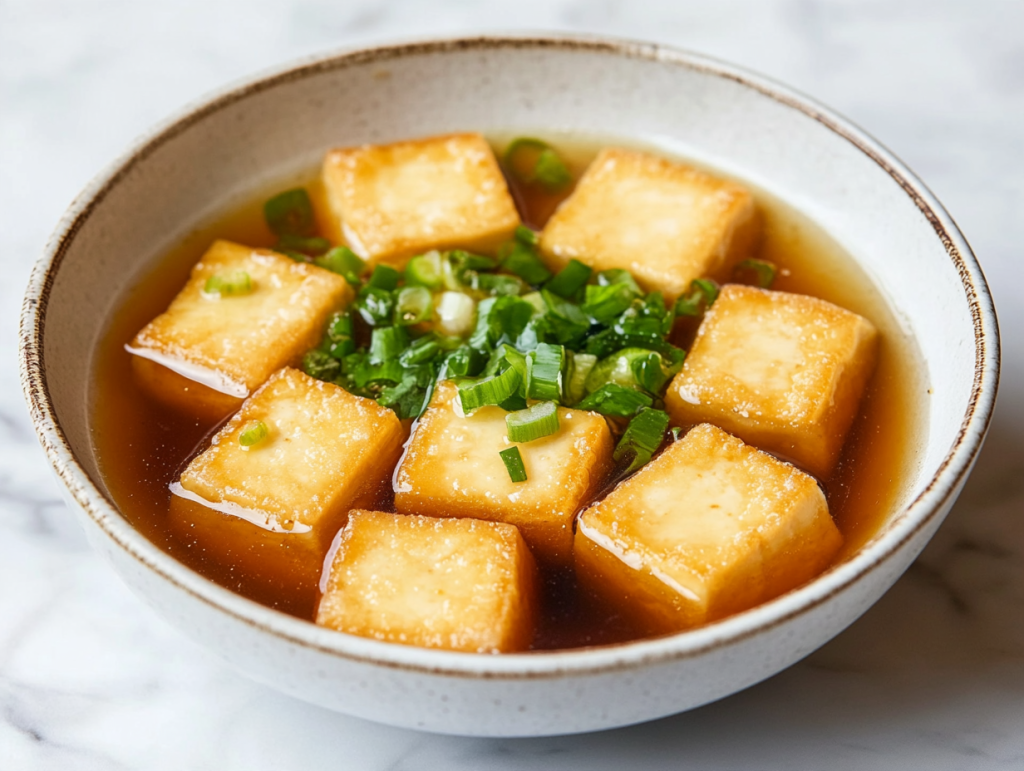
Crispy Gluten-Free Agedashi Tofu is a Japanese-inspired dish featuring golden tofu cubes served with a warm, savory dipping broth. The outside is lightly crisp, while the inside stays soft and tender.
A gluten-free coating made with potato starch creates a delicate crunch, and a broth of vegetable stock, tamari, and ginger adds a balanced savory flavor. Fresh scallions and grated daikon bring a light, refreshing finish.
This vegan version works well as a starter, a light lunch, or a side dish for a Japanese-inspired meal. Serve it immediately after frying to enjoy the best texture.
Servings: 4
Ingredients
- 14 oz (400 g) firm tofu
- 1/2 cup potato starch
- 3 tablespoons neutral vegetable oil, plus more for shallow frying if needed
- 2 tablespoons gluten-free tamari
- 1 cup vegan vegetable broth
- 1 tablespoon mirin, certified gluten-free
- 1 teaspoon freshly grated ginger
- 1 teaspoon sugar
- 2 tablespoons finely sliced scallions
- 2 tablespoons grated daikon radish, optional
- 1 teaspoon sesame seeds, optional
- Salt, to taste
Instructions
- Drain the tofu and gently press it between clean kitchen towels for 15–20 minutes to remove excess moisture. Cut it into bite-sized cubes and lightly season with salt.
- In a small saucepan, combine the vegetable broth, tamari, mirin, grated ginger, and sugar. Bring to a gentle simmer, stirring until the sugar dissolves. Keep the broth warm over low heat.
- Pat the tofu cubes dry again, then coat each piece evenly with potato starch. Shake off any excess coating.
- Heat the vegetable oil in a skillet over medium-high heat. Shallow-fry the tofu in batches for 2–3 minutes per side, turning carefully until the cubes are golden and crisp. Transfer to a paper towel-lined plate.
- Divide the warm broth among four small serving bowls. Add the crispy tofu just before serving so the coating retains as much crunch as possible.
- Garnish with sliced scallions, grated daikon, and sesame seeds if desired. Serve immediately while the tofu is hot and crisp.
3. Vegan Miso Soup with Tofu and Wakame
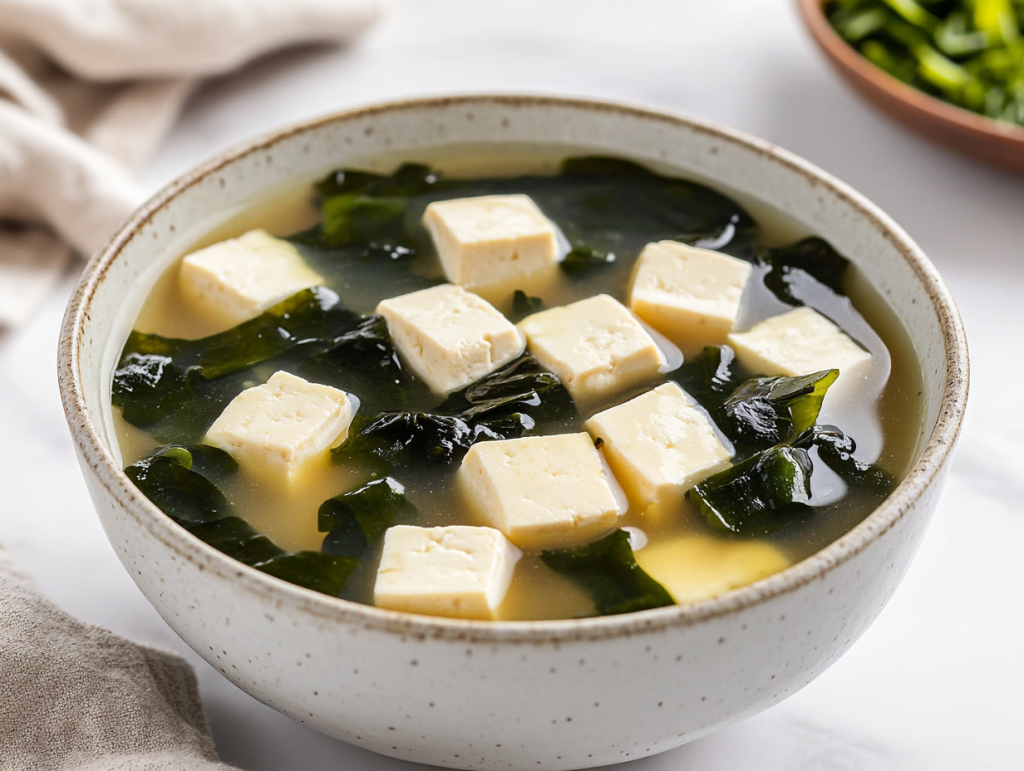
Vegan Miso Soup with Tofu and Wakame is a light Japanese soup with a savory broth, soft tofu cubes, and delicate seaweed. It is simple to prepare and makes a comforting addition to lunch or dinner.
White miso paste gives the soup a mellow, salty flavor, while wakame adds a subtle taste of the sea. Silken or soft tofu provides a tender texture, and sliced scallions bring a fresh finish.
This plant-based version uses vegetable broth instead of traditional fish-based dashi. Choose certified gluten-free miso and tamari to keep the soup suitable for a gluten-free diet.
Servings: 4
Ingredients
- 4 cups vegetable broth
- 3 tablespoons white miso paste, certified gluten-free
- 7 oz (200 g) soft or silken tofu, cut into small cubes
- 2 tablespoons dried wakame seaweed
- 2 scallions, thinly sliced
- 1 teaspoon gluten-free tamari, optional
- 1 teaspoon freshly grated ginger, optional
- 1 teaspoon sesame oil, optional
Instructions
- Place the dried wakame in a small bowl of water and soak for 5–10 minutes, or until rehydrated. Drain and set aside.
- Pour the vegetable broth into a saucepan and bring it to a gentle simmer over medium heat. Add the grated ginger if using.
- Reduce the heat to low. Place the miso paste in a small bowl, add a few tablespoons of warm broth, and whisk until smooth.
- Stir the dissolved miso into the saucepan. Avoid boiling the soup after adding the miso, as high heat can affect its delicate flavor.
- Gently add the tofu cubes and rehydrated wakame. Warm for 2–3 minutes without stirring vigorously so the tofu stays intact. Add tamari if desired and taste before adjusting the seasoning.
- Ladle the soup into bowls and garnish with sliced scallions and a few drops of sesame oil if desired. Serve warm.
4. Vegetable Gyoza with Gluten-Free Wrappers

Vegetable Gyoza with Gluten-Free Wrappers are Japanese-inspired dumplings filled with finely chopped vegetables and savory seasonings. They have golden, crispy bottoms and tender tops, making them a satisfying appetizer or light meal.
The filling combines cabbage, carrots, mushrooms, and scallions with garlic and ginger for a balanced, savory taste. Homemade gluten-free wrappers made with rice flour and tapioca starch keep the dumplings suitable for a plant-based, gluten-free diet.
These dumplings are pan-fried and steamed in the same skillet for a crisp base and soft finish. Serve them hot with a simple tamari dipping sauce for an easy homemade Japanese-inspired meal.
Servings: 4 (about 20 dumplings)
Ingredients
For the Gluten-Free Wrappers
- 1 cup rice flour
- 1/2 cup tapioca starch
- 1/4 teaspoon salt
- 1/2 cup hot water, approximately
- 1 teaspoon neutral vegetable oil
For the Vegetable Filling
- 1 cup finely shredded cabbage
- 1/2 cup finely grated carrot
- 1/2 cup finely chopped mushrooms
- 2 scallions, thinly sliced
- 2 cloves garlic, minced
- 1 teaspoon freshly grated ginger
- 1 tablespoon gluten-free tamari
- 1 teaspoon sesame oil
- 1 teaspoon cornstarch
For Cooking and Serving
- 1 tablespoon neutral vegetable oil
- 1/3 cup water, for steaming
- 2 tablespoons gluten-free tamari, for dipping
- 1 teaspoon rice vinegar
Instructions
- Combine the rice flour, tapioca starch, and salt in a bowl. Gradually add hot water while mixing, then add the vegetable oil and knead until a soft, workable dough forms. Cover and rest for 10 minutes, adding a little more water if the dough feels too dry.
- Place the cabbage, carrot, mushrooms, scallions, garlic, and ginger in a bowl. Add the tamari, sesame oil, and cornstarch, then mix thoroughly. If the vegetables release excess moisture, squeeze out some liquid before filling the dumplings.
- Divide the dough into approximately 20 portions. Roll each portion into a thin circle between sheets of parchment paper to prevent sticking. Keep the unused dough covered so it does not dry out.
- Place about 1 teaspoon of filling in the center of each wrapper. Lightly moisten the edges with water, fold the wrapper over the filling, and press firmly to seal. Handle the wrappers gently, as gluten-free dough can be more delicate than wheat-based dough.
- Heat the vegetable oil in a nonstick skillet over medium heat. Arrange the dumplings in a single layer and cook for 2–3 minutes until the bottoms begin to turn golden. Carefully add the water, cover immediately, and steam for 5–7 minutes, until the wrappers are cooked through and the filling is hot.
- Mix the tamari with the rice vinegar to make a dipping sauce. Remove the lid and cook for another minute if excess water remains. Transfer the gyoza to a serving plate and serve hot with the dipping sauce.
5. Sesame-Ginger Buckwheat Soba Noodles
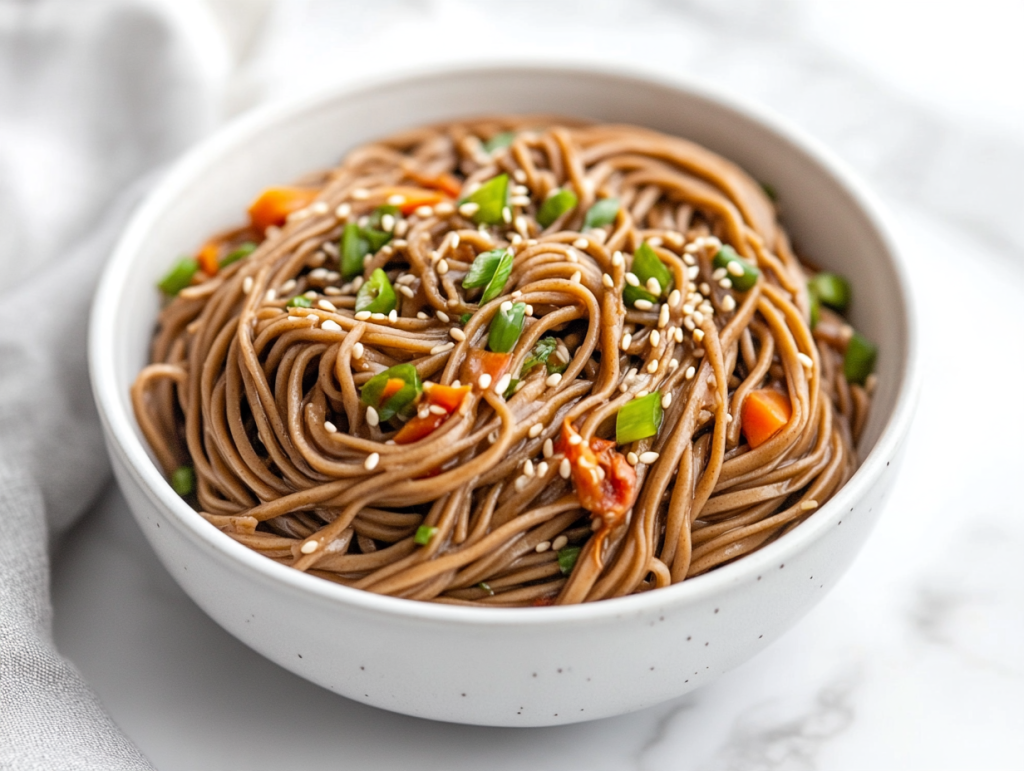
Sesame-Ginger Buckwheat Soba Noodles are a light yet satisfying dish with nutty noodles, crisp vegetables, and a savory sesame dressing. The fresh ginger adds a gentle warmth, while sesame oil gives the sauce a rich, aromatic finish.
Shredded carrots, cucumber, and scallions bring freshness and crunch to the noodles. A dressing made with tamari, rice vinegar, ginger, and sesame seeds ties everything together without using animal products or wheat-based soy sauce.
This dish works well for a quick lunch, an easy dinner, or a chilled meal prepared ahead of time. Serve it warm or cold, depending on your preference.
Servings: 4
Ingredients
- 8 oz (225 g) 100% buckwheat soba noodles, certified gluten-free
- 1 medium carrot, julienned
- 1 small cucumber, julienned
- 3 scallions, thinly sliced
- 2 tablespoons toasted sesame seeds
- 1 tablespoon chopped fresh cilantro, optional
For the Sesame-Ginger Dressing
- 3 tablespoons gluten-free tamari
- 1 tablespoon toasted sesame oil
- 2 tablespoons rice vinegar
- 1 tablespoon maple syrup
- 1 tablespoon freshly grated ginger
- 1 clove garlic, minced
- 1 tablespoon water, or more as needed
Instructions
- Bring a large pot of water to a boil. Add the soba noodles and cook according to the package directions until just tender, taking care not to overcook them.
- Drain the noodles and rinse thoroughly under cold running water to remove excess starch and stop the cooking. Drain well and set aside.
- In a small bowl, whisk together the tamari, sesame oil, rice vinegar, maple syrup, grated ginger, garlic, and water until the dressing is well combined.
- Place the cooled noodles in a large mixing bowl. Add the julienned carrot, cucumber, and sliced scallions.
- Pour the sesame-ginger dressing over the noodles and vegetables. Toss gently until everything is evenly coated, then sprinkle with toasted sesame seeds and cilantro if using.
- Divide among four serving bowls and serve immediately, or refrigerate for 20–30 minutes for a chilled version. Toss again before serving and add a splash of water or tamari if the noodles have absorbed too much dressing.
6. Vegan Tofu Karaage
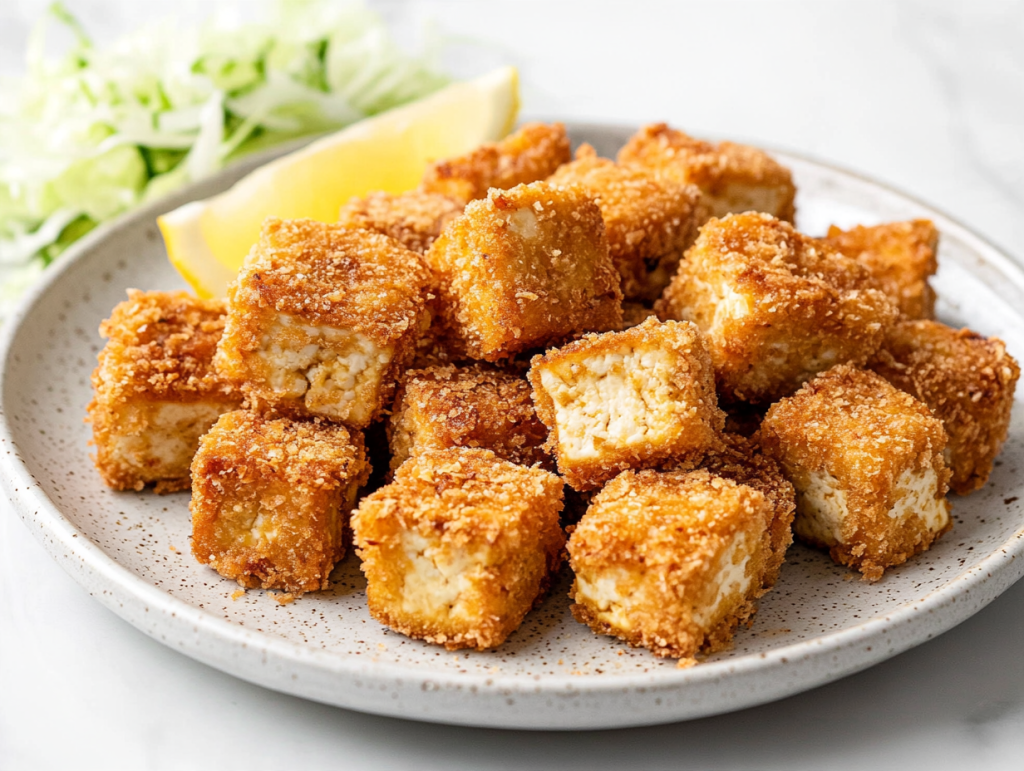
Vegan Tofu Karaage is a Japanese-inspired dish featuring bite-sized tofu pieces with a crisp, golden coating and a tender center. A savory marinade gives the tofu a deep, satisfying flavor without using meat or dairy.
The tofu is seasoned with ginger, garlic, tamari, and a touch of sesame oil before being coated in potato starch. Frying creates a light, crunchy crust that pairs well with fresh lemon and a simple dipping sauce.
This gluten-free version makes a tasty appetizer, snack, or main dish served with steamed rice and vegetables. For the best texture, press the tofu well and serve it soon after cooking.
Servings: 4
Ingredients
- 14 oz (400 g) extra-firm tofu
- 3 tablespoons gluten-free tamari
- 1 tablespoon freshly grated ginger
- 2 cloves garlic, minced
- 1 teaspoon sesame oil
- 1 teaspoon rice vinegar
- 1 tablespoon cornstarch
- 1/2 cup potato starch, for coating
- Neutral vegetable oil, for frying
- Lemon wedges, for serving
- 2 scallions, thinly sliced, optional
Instructions
- Drain the tofu and press it between clean kitchen towels with a light weight for 20–30 minutes to remove excess moisture. Break or cut it into bite-sized pieces.
- In a bowl, mix the tamari, grated ginger, minced garlic, sesame oil, rice vinegar, and cornstarch. Add the tofu pieces and gently toss until evenly coated. Let them marinate for 15–20 minutes.
- Transfer the tofu to a plate, allowing excess marinade to drip off. Coat each piece thoroughly with potato starch, pressing lightly so the starch adheres to the surface.
- Heat about 1 inch of vegetable oil in a deep skillet or saucepan over medium heat. When the oil reaches approximately 350°F (175°C), carefully add the tofu in small batches without overcrowding the pan.
- Fry for 3–5 minutes, turning occasionally, until the coating is crisp and golden. Remove with a slotted spoon and drain on a wire rack or paper towels. Allow the oil to return to temperature before frying the next batch.
- Transfer the tofu to a serving plate and garnish with sliced scallions if desired. Serve immediately with lemon wedges and steamed rice or a gluten-free dipping sauce.
7. Umeboshi Onigiri (Japanese Rice Balls)
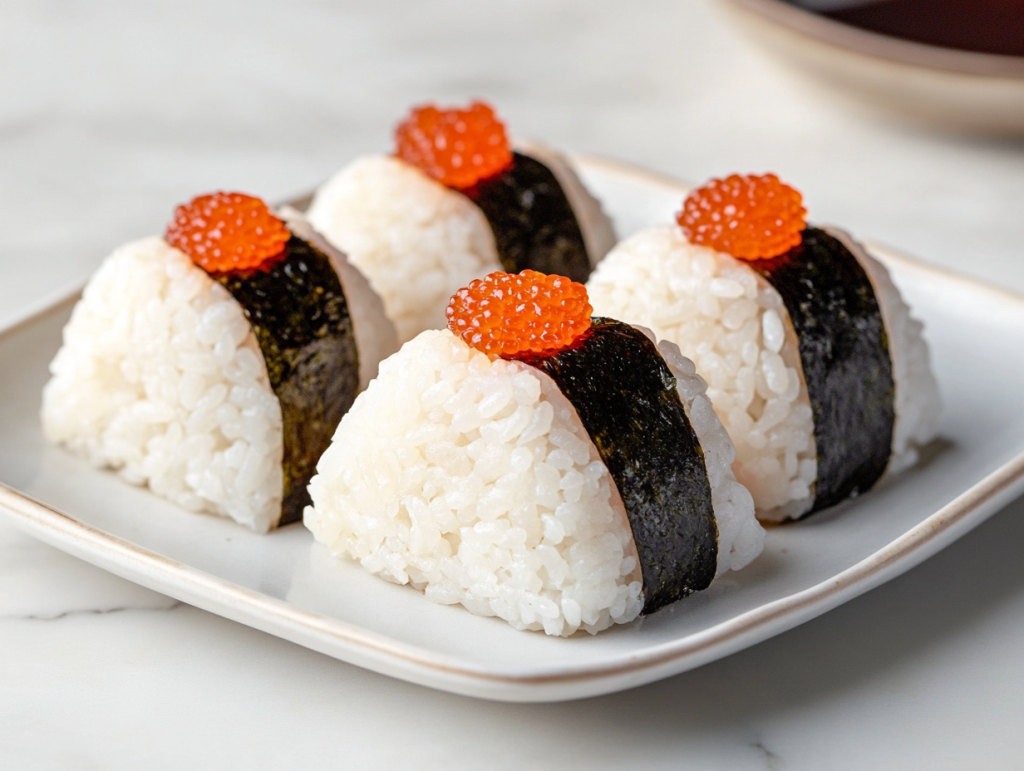
Umeboshi Onigiri are traditional Japanese rice balls filled with umeboshi, a salty and tangy pickled plum. Made with seasoned rice and shaped by hand, these simple snacks are easy to prepare and convenient to enjoy on the go.
The soft, slightly sticky rice balances the sharp, sour flavor of the plum, while a strip of nori adds a subtle savory taste. Using short-grain Japanese rice helps the rice balls hold their shape without needing any additional binding ingredients.
These rice balls make a practical lunch, picnic snack, or light meal. They are naturally vegan and gluten-free when prepared with plain rice, umeboshi, and suitable nori.
Servings: 4 rice balls
Ingredients
- 2 cups uncooked Japanese short-grain rice
- 2 1/2 cups water, or as directed on the rice package
- 4 umeboshi pickled plums, pitted
- 2 sheets nori, cut into strips
- 1/4 teaspoon salt, or as needed
- Water, for shaping the rice balls
Instructions
- Rinse the rice several times under cold water until the water runs mostly clear. Drain well, then cook with the measured water in a rice cooker or saucepan according to the package directions.
- Once cooked, let the rice rest covered for 10 minutes. Transfer it to a wide bowl and allow it to cool slightly until comfortable to handle while still warm.
- Prepare a small bowl of water and lightly wet your hands. Rub a little salt between your palms to season the outside of the rice balls and help prevent sticking.
- Divide the warm rice into four equal portions. Flatten one portion in your palm, place a pitted umeboshi in the center, and gently cover it with rice.
- Shape the rice into a triangle or rounded ball by pressing gently with your hands. Repeat with the remaining rice and umeboshi, keeping the rice compact enough to hold together without crushing the grains.
- Wrap a strip of nori around each rice ball just before serving. Serve warm or at room temperature, or wrap individually for a portable snack.
8. Vegan Mushroom Takikomi Gohan
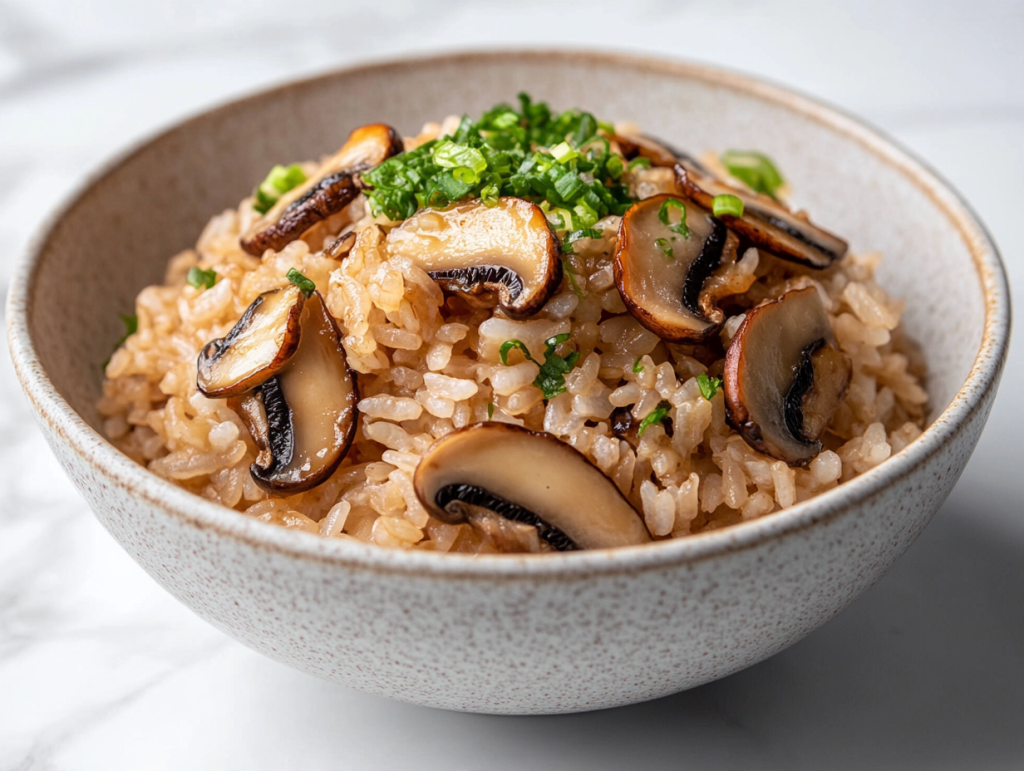
Vegan Mushroom Takikomi Gohan is a Japanese mixed rice dish cooked with mushrooms, vegetables, and a savory broth. As the rice absorbs the cooking liquid, it develops a delicate umami flavor while the mushrooms become tender and aromatic.
Shiitake mushrooms add an earthy taste, while carrots and ginger bring freshness and gentle warmth. Gluten-free tamari seasons the rice without the need for animal-based dashi or regular soy sauce.
This one-pot dish makes a comforting lunch or dinner and pairs well with miso soup, tofu, or steamed vegetables. It is naturally plant-based and can be made gluten-free with carefully selected seasonings.
Servings: 4
Ingredients
- 2 cups Japanese short-grain rice
- 2 cups vegetable broth, gluten-free
- 5 oz (140 g) shiitake mushrooms, thinly sliced
- 1 medium carrot, cut into thin strips
- 1/2 cup shimeji mushrooms, separated, or additional shiitake mushrooms
- 2 tablespoons gluten-free tamari
- 1 tablespoon mirin, certified gluten-free
- 1 teaspoon freshly grated ginger
- 1 teaspoon sesame oil
- 2 scallions, thinly sliced
- Salt, to taste
Instructions
- Rinse the rice under cold running water until the water becomes mostly clear. Drain well and set aside for about 10 minutes.
- In a bowl, combine the vegetable broth, tamari, mirin, grated ginger, and sesame oil. Stir until the seasonings are evenly mixed.
- Place the rinsed rice in a rice cooker or heavy-bottomed saucepan. Arrange the shiitake mushrooms, shimeji mushrooms, and carrot strips over the rice without stirring them in.
- Pour the seasoned broth over the ingredients. Cook in a rice cooker using the regular white-rice setting. If using a saucepan, bring the mixture to a gentle boil, cover, reduce the heat to low, and cook for 15–18 minutes, or until the rice has absorbed the liquid.
- Turn off the heat and let the rice rest, covered, for 10 minutes. Avoid lifting the lid during cooking and resting, as the trapped steam helps the rice cook evenly.
- Gently fluff the rice with a rice paddle or fork, mixing the mushrooms and carrots throughout. Taste and adjust the seasoning if needed, garnish with sliced scallions, and serve warm.
9. Vegan Vegetable Tempura with Rice Flour
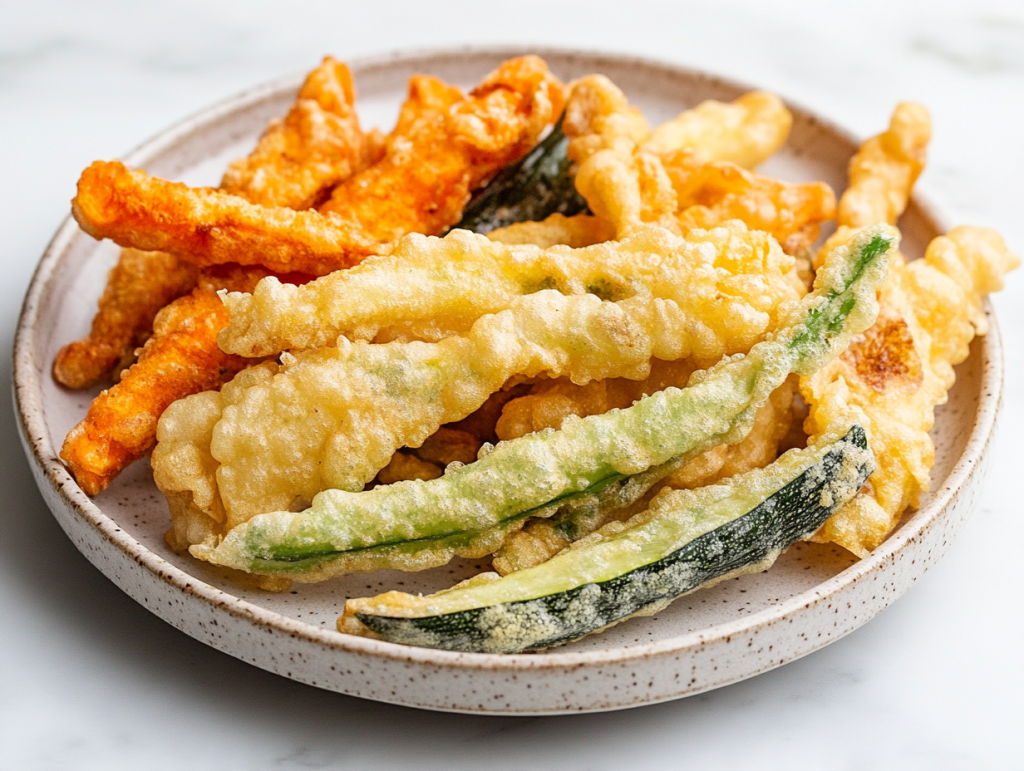
Vegan Vegetable Tempura with Rice Flour features thin slices of vegetables coated in a light, crisp batter and fried until golden. The delicate coating lets the natural flavors of the vegetables shine through without using eggs, dairy, or wheat flour.
Rice flour and sparkling water create a simple batter that fries into a crunchy exterior. Sweet potato, broccoli, carrots, and eggplant offer a mix of textures and flavors, making each piece slightly different.
This Japanese-inspired dish works well as an appetizer, side dish, or light meal. Serve the tempura immediately with a gluten-free dipping sauce to enjoy its crisp texture at its best.
Servings: 4
Ingredients
For the Vegetables
- 1 medium sweet potato, thinly sliced
- 1 medium carrot, cut into thin strips
- 1 small broccoli head, separated into florets
- 1 small eggplant, cut into thin rounds
- 1/2 red bell pepper, sliced
- Neutral vegetable oil, for frying
For the Rice Flour Batter
- 1 cup rice flour
- 2 tablespoons cornstarch
- 1 cup cold sparkling water, plus more if needed
- 1/4 teaspoon salt
For the Dipping Sauce
- 3 tablespoons gluten-free tamari
- 2 tablespoons water
- 1 tablespoon rice vinegar
- 1 teaspoon maple syrup, optional
- 1 teaspoon freshly grated ginger, optional
Instructions
- Wash and thoroughly dry all the vegetables. Cut them into thin, even pieces so they cook quickly and evenly. Keep the vegetables dry to help the batter adhere.
- In a bowl, whisk together the rice flour, cornstarch, and salt. Gradually pour in the cold sparkling water and stir gently until just combined. A few small lumps are fine; avoid overmixing the batter.
- Heat about 2 inches of vegetable oil in a deep, heavy-bottomed pot to 350°F (175°C). Prepare a wire rack or paper towel-lined plate for draining the fried vegetables.
- Dip a few vegetable pieces into the batter, allowing excess batter to drip off. Carefully lower them into the hot oil in small batches, leaving space between pieces.
- Fry the vegetables for approximately 2–4 minutes, turning as needed, until the coating is crisp and lightly golden and the vegetables are tender. Cooking time will vary by thickness. Transfer to the rack and allow the oil to return to temperature before frying another batch.
- Whisk together the tamari, water, rice vinegar, maple syrup, and ginger, if using, to make the dipping sauce. Serve the tempura immediately while crisp, with the sauce on the side.
10. Japanese Sweet Red Bean Mochi
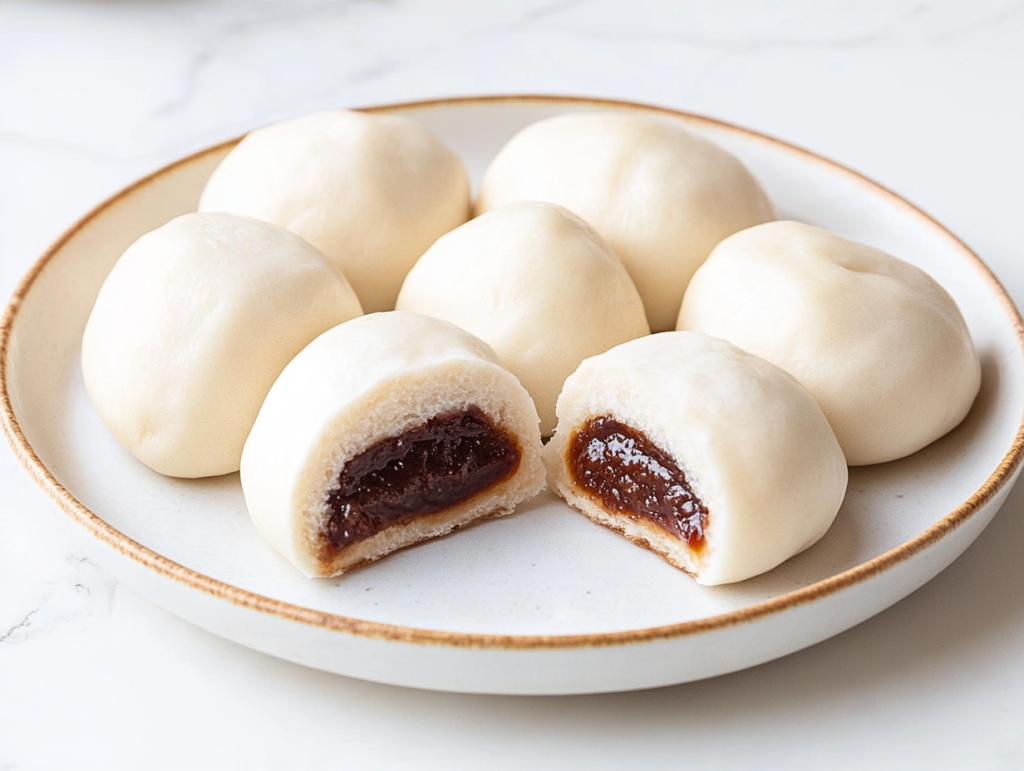
Japanese Sweet Red Bean Mochi is a traditional Japanese treat made with soft, chewy rice dough wrapped around a sweet red bean filling. Its delicate texture and gentle sweetness make it a lovely dessert for anyone who enjoys simple Japanese sweets.
The outer layer is made with glutinous rice flour, which gives mochi its characteristic stretchy, chewy texture. Inside, sweetened red bean paste, also known as anko, adds a smooth filling with a mild, earthy flavor.
This homemade version uses plant-based ingredients and is naturally gluten-free when prepared with suitable products. Enjoy the mochi as an afternoon snack, a dessert after dinner, or a sweet accompaniment to green tea.
Servings: 8 mochi
Ingredients
- 1 cup glutinous rice flour (sweet rice flour)
- 1/4 cup granulated sugar
- 3/4 cup water
- 1/2 cup sweetened red bean paste (anko)
- 1/4 cup potato starch or cornstarch, for dusting
Instructions
- Divide the sweetened red bean paste into eight small portions. Roll each portion into a ball and place them on a plate. Refrigerate briefly if the paste feels too soft to handle.
- In a microwave-safe bowl, whisk together the glutinous rice flour and sugar. Gradually add the water, stirring until the mixture is smooth and free of dry lumps.
- Cover the bowl loosely with a microwave-safe lid or plastic wrap with a small vent. Microwave for 1 minute, stir thoroughly, then heat in 30-second intervals, stirring after each interval, until the dough becomes thick, sticky, and slightly translucent. Cooking time will vary by microwave.
- Dust a clean work surface generously with potato starch or cornstarch. Transfer the hot dough onto the surface, sprinkle the top with more starch, and allow it to cool until safe to handle.
- Divide the dough into eight equal portions. Flatten each portion into a small circle, place a red bean paste ball in the center, and gently stretch the edges over the filling. Pinch the seams together to seal, then place each mochi seam-side down.
- Brush off excess starch and serve at room temperature. Enjoy the mochi fresh for the softest, chewiest texture, and store any leftovers in an airtight container for a short time.